

Building a house in Ireland doesn’t have a fixed price tag—it depends on factors like location, house size, and the method of construction. While traditional builds can be time-consuming and unpredictable in terms of cost, modular homes are emerging as a faster and more reliable alternative. So, what exactly influences the price, and why are modular homes gaining attention in Ireland? Let’s break it down.
Average Cost Trends in Ireland

In Ireland, building costs are typically measured per square meter. However, the actual price you’ll pay depends on land location, materials, design complexity, and the team you work with. For example, building in Dublin or other major cities tends to be more expensive than building in rural counties, where land is cheaper but infrastructure may require more preparation.
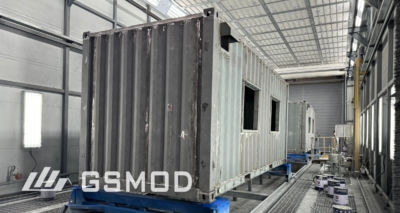
One of the most critical differences today is the construction method. Traditional builds rely heavily on contractors and weather conditions, which can drive up both costs and timelines. Modular houses, on the other hand, are primarily constructed in factories and then delivered to your site for assembly. This reduces uncertainty, speeds up the process, and helps keep your budget on track.
Why Modular Houses Are Gaining Popularity in Ireland
Faster Construction Time
Traditional builds often take a year or longer to complete. Modular houses, by contrast, can be move-in ready within just a few months.
Better Cost Control
Budget overruns are one of the biggest fears when building a house in Ireland. Modular houses help solve this problem by offering more transparent pricing from the start.
Energy Efficiency and Compliance
All new builds in Ireland must meet strict energy standards. Modular houses are designed with these requirements in mind, making it easier to comply with NZEB (Nearly Zero Energy Building) standards.
Adaptability and Design Options
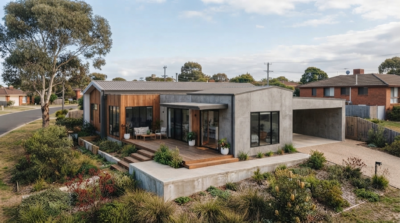
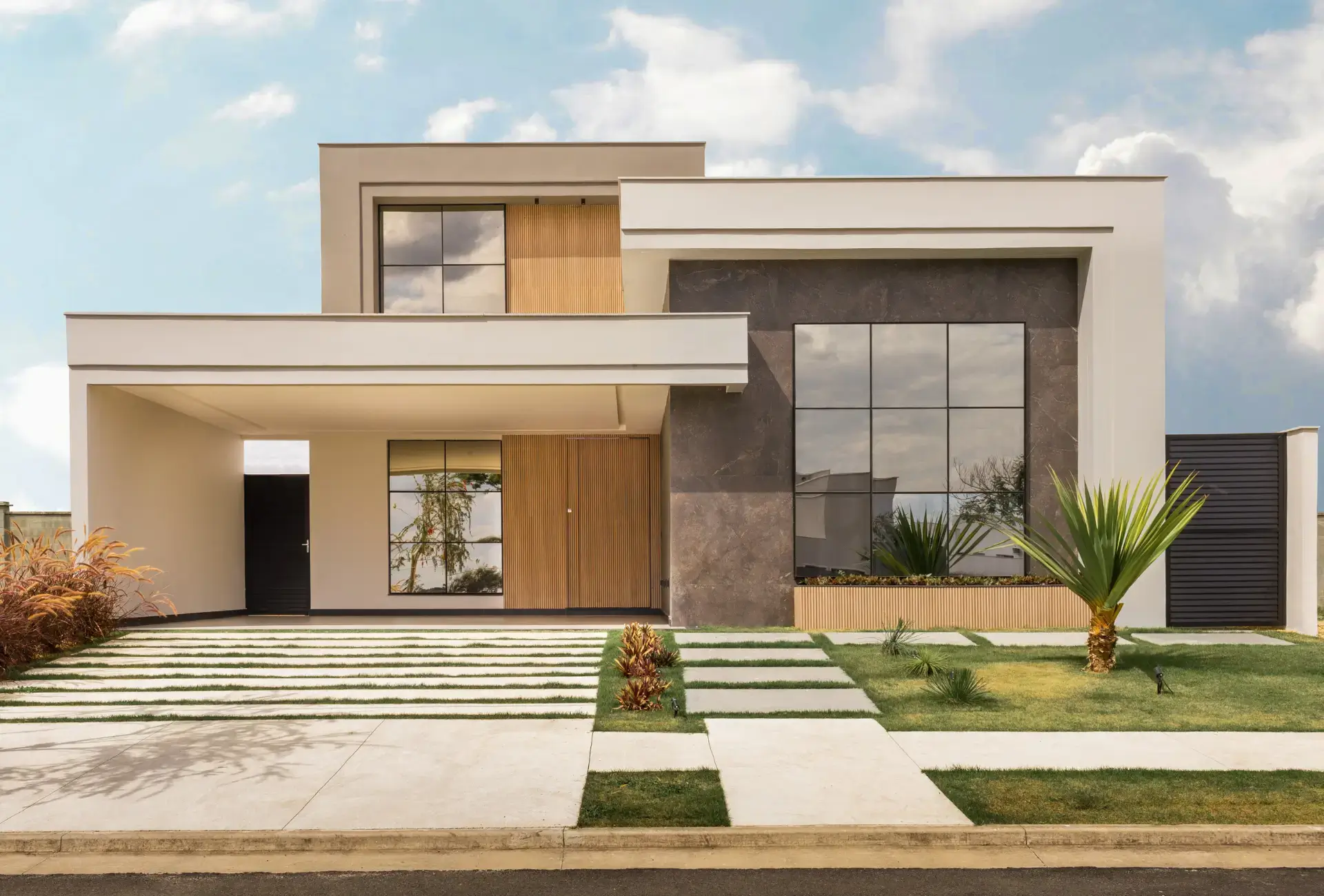
Modern modular houses offer flexible layouts and a variety of styles. They can be adapted for rural plots or suburban developments and customized to meet the requirements of developers, builders, or architects.
The Real Value of Modular Homes: Delivering Certainty
Beyond speed and flexibility, what truly sets modular homes apart in Ireland is their ability to bring certainty to a process that is often filled with delays, overruns, and quality concerns. Modular homes aren’t only about building faster—they’re about creating certainty in an industry often marked by delays and cost overruns. In Ireland, where weather conditions, contractor shortages, and fluctuating material costs make projects unpredictable, modular construction provides a clearer, more reliable outcome.
Time Certainty
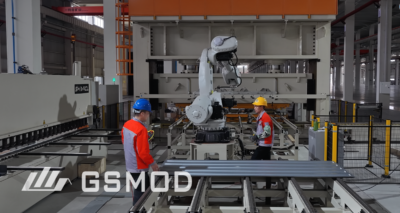
Modular factory production happens in parallel with site works, limiting exposure to weather disruptions. This means earlier move-in dates and more predictable schedules.
Cost Certainty
Standardised components and digital models help avoid waste and rework. With modular, the price you agree to is far closer to the final bill.
Quality Certainty
Factory-controlled processes ensure consistency in insulation, airtightness, and finishing—reducing common issues like leaks or cracks that often appear in traditional builds.
Compliance Certainty
BIM-based workflows make it easier to align early with Irish building regulations and NZEB standards, reducing costly last-minute changes.
Why this matters in Ireland: shorter timelines reduce financing risk, earlier completion accelerates rental or resale income, and stronger quality control cuts future maintenance costs. The result: modular homes deliver the one thing homeowners and developers value most—certainty.
Common Problems with Traditional Builds (and How Modular Homes Help)
Here’s a quick look at the most common challenges with traditional builds and how modular homes address them:
| Problem | Traditional Build | Modular House Solution |
| Budget overruns | Material price hikes, delays | Transparent, factory-set pricing |
| Contractor shortages | Hard to find skilled trades | Reduced on-site labor needed |
| Long project duration | Often more than a year | Completed in a few months |
Financing and Grants in Ireland

Building a house, whether traditional or modular, usually involves staged self-build mortgages. Most Irish lenders now recognize modular builds, but policies can vary, so it’s essential to check with your bank before committing.
Government grants aimed at improving energy efficiency—such as insulation, heat pumps, and solar panels—are also available and can be applied to modular projects. Taking advantage of these incentives can reduce long-term running costs.
Conclusion
Building a house in Ireland is a big decision, and costs can vary widely depending on your choices. Traditional construction typically costs around €2,500 to €4,000 per square meter, though complex designs or city builds can drive that figure higher. Modular houses, on the other hand, generally fall in the €1,700 to €4,200 per square meter range, which means they can be 20–30% more expensive than traditional builds, depending on specifications and finishes.
But one trend is clear: modular houses are becoming a practical, efficient, and reliable alternative. They save time, offer predictable pricing, and comply with modern energy standards. If you’re considering building in Ireland, modular houses deserve a spot at the top of your list. With the right supplier, a clear budget, and proper planning, you could move into your dream house much faster—and with far fewer headaches—than you might expect with a traditional build.