CONTACT INFO
- Email:info@gsmodular.com
- WhatsApp:+86 13702926570
COMPANY ADDRESS
- No. 435, Hehe Avenue West, Genghe Town, Gaoming District, Foshan City, Guangdong Province, China
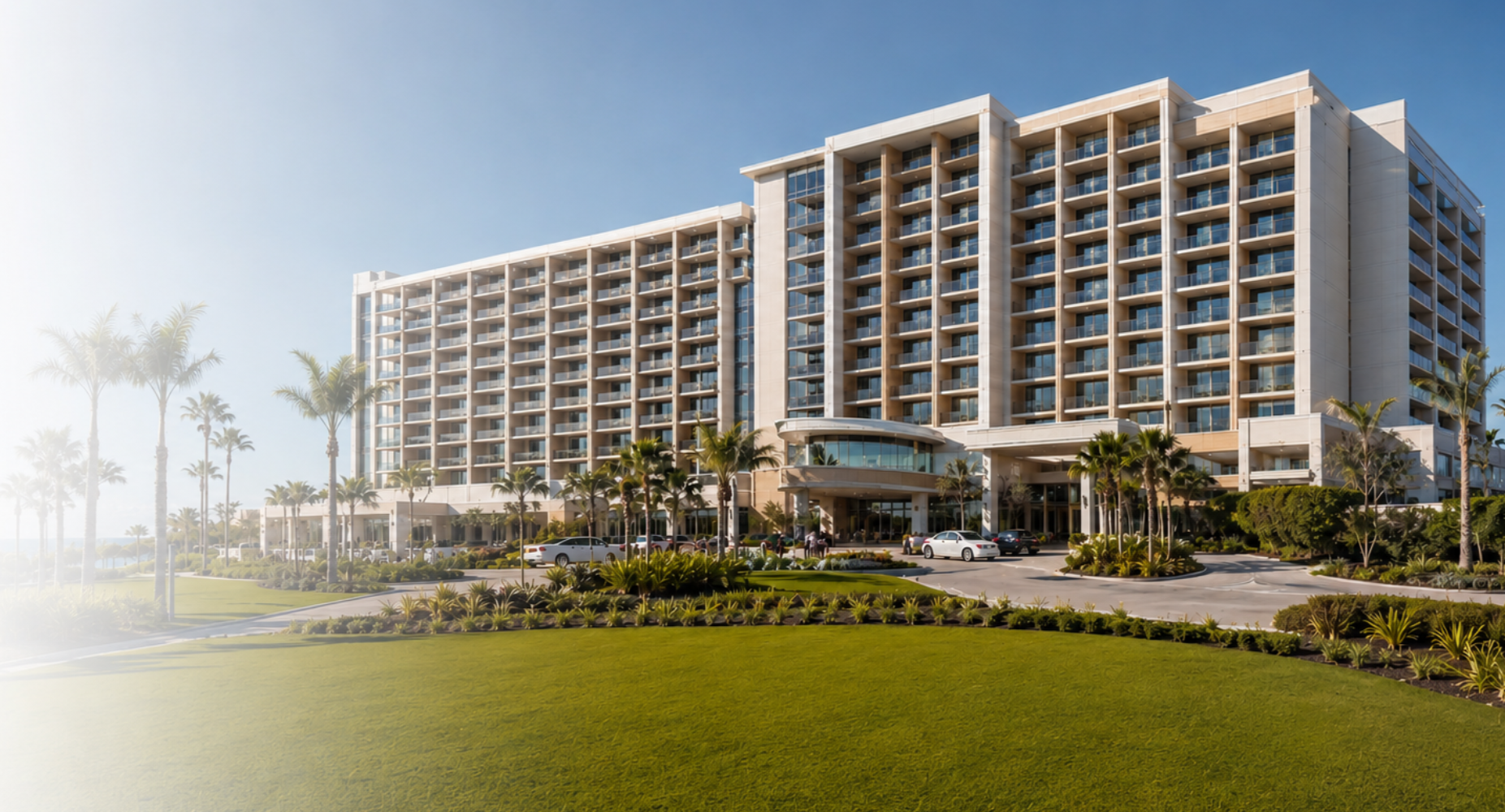
The hotel industry in Australia and many European countries is experiencing robust growth, driven by evolving traveler expectations and a strong push toward sustainability. Today, eco-conscious design is no longer a niche concept — it has become a mainstream requirement for both Australian and European guests who prioritize comfort, efficiency, and environmental responsibility.
At GS Housing, we are already actively involved in hotel projects in regions such as Australia and Fiji, both of which have strict requirements for the use of eco-friendly and sustainable materials. Our experience with international standards and local regulations ensures we can meet these demands without compromising on quality or style.
To better serve the hospitality sector, our modular construction team has developed a self-designed hotel module unit covering approximately 23 square meters. Each unit is thoughtfully divided into a sleeping area, small meeting or lounge space, and a fully equipped bathroom. The design follows a high-end luxury aesthetic and can be further upgraded with smart control features to enhance the guest experience. This solution offers a fast, flexible, and sustainable alternative to traditional hotel construction — perfectly suited to modern market needs.
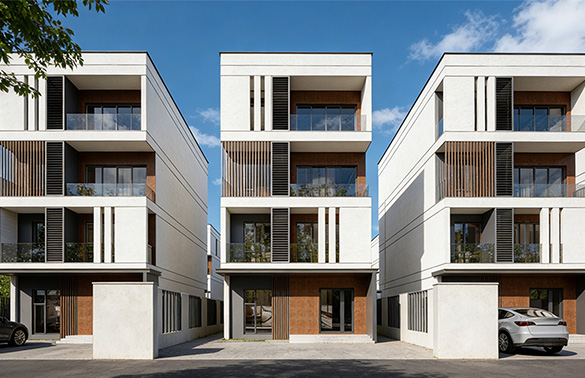
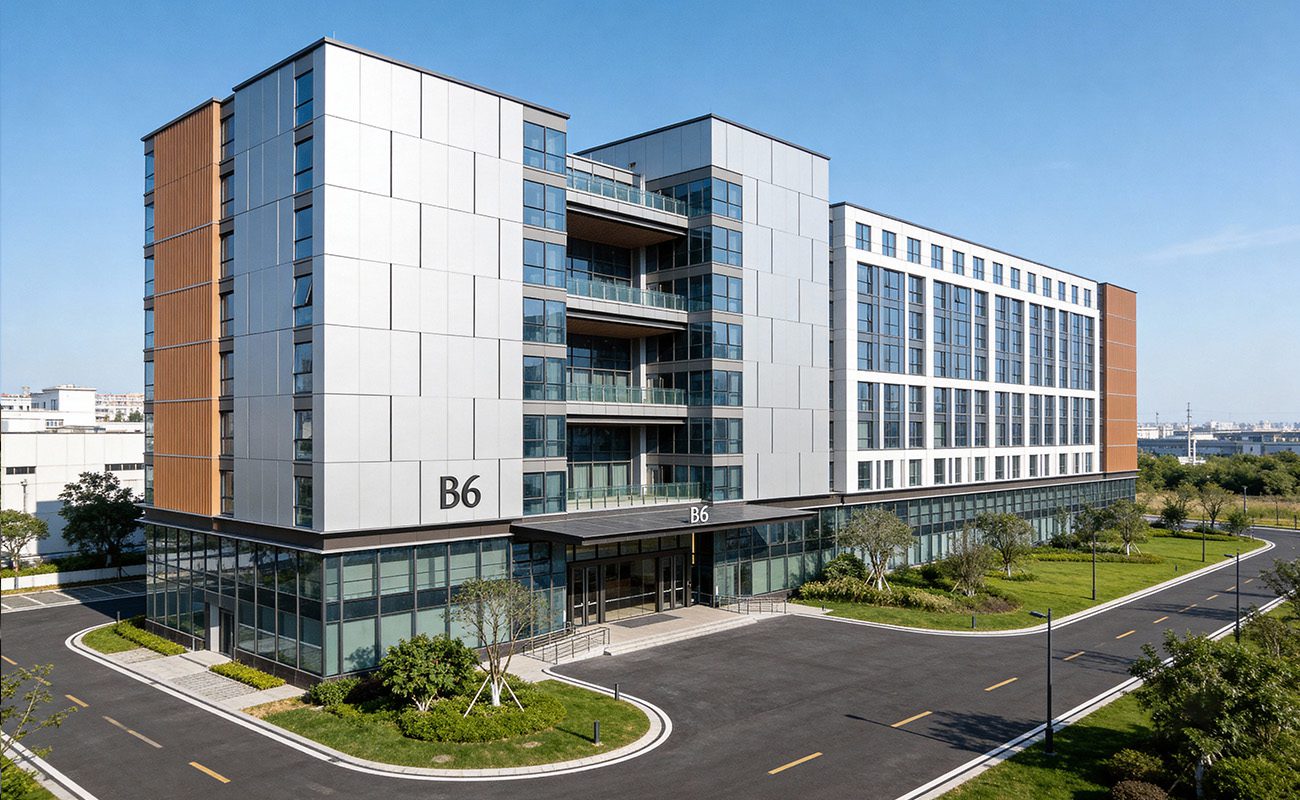
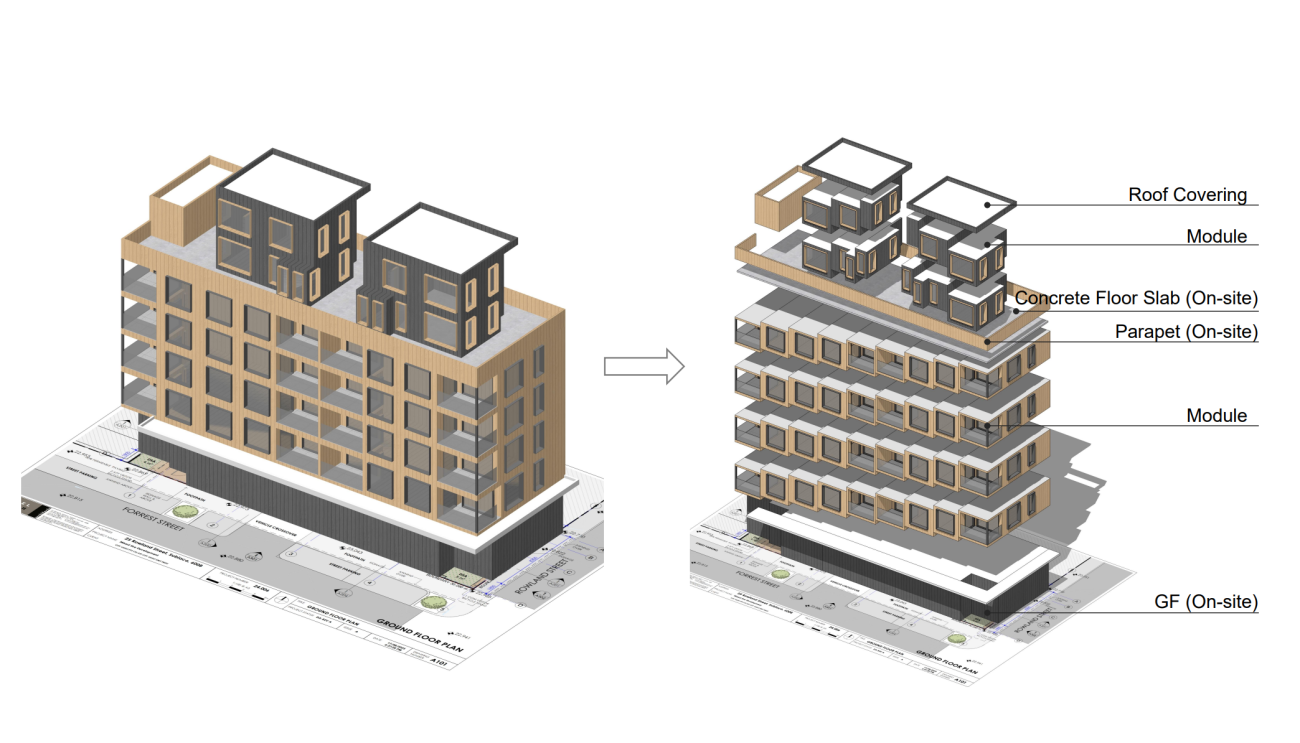
Our stackable modular system provides fully finished, factory-prefabricated residential modules that can be assembled simply by hoisting them onto the site and placing them onto the structural core and floor slabs. This revolutionary approach reduces construction time by more than 50%, minimizes the impact of on-site construction, and ensures consistent building quality that complies with global building codes.
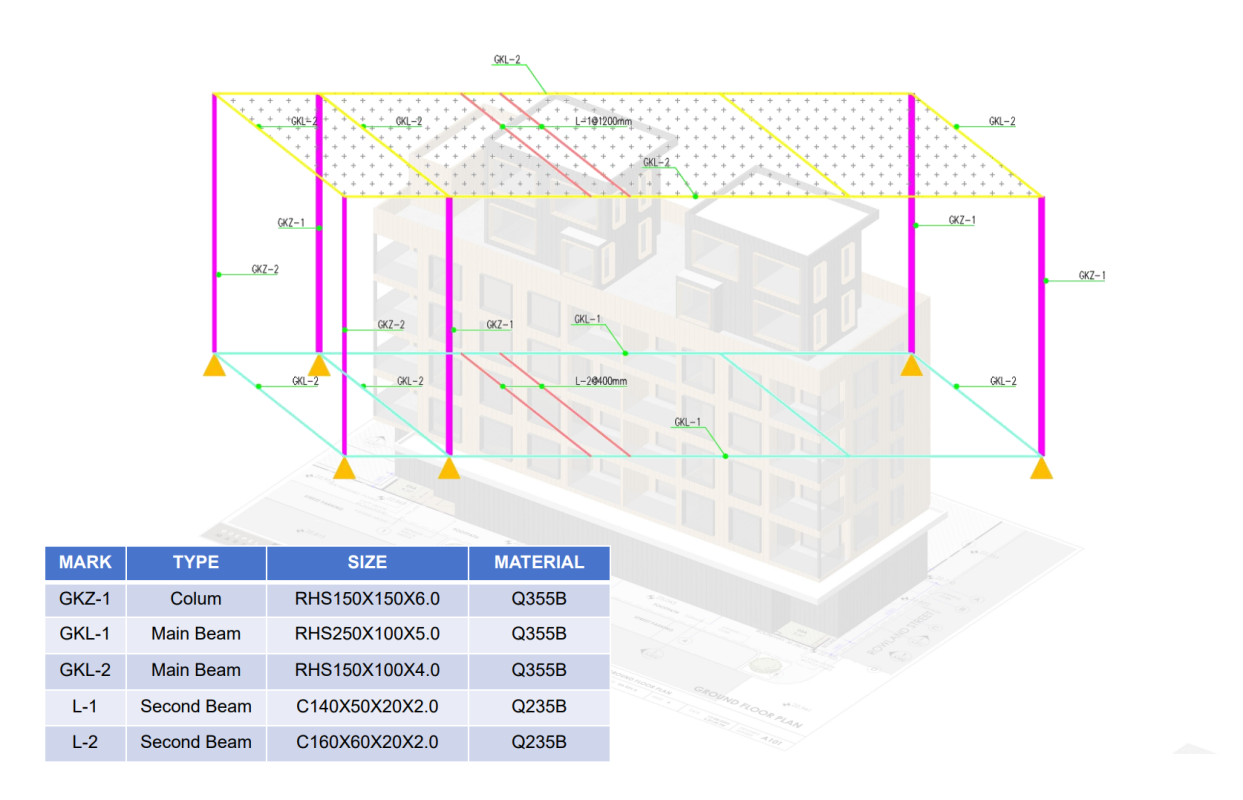
The structural framework is engineered using high-strength steel components, including columns, primary beams, and secondary beams, all designed for stability, durability, and load efficiency.
Each structural element is precisely fabricated and standardized, ensuring seamless module integration and structural reliability. The optimized steel system enhances overall building performance while supporting efficient modular installation.
When choosing between permanent and temporary custom units for a hotel project, consider the following factors:
1. Expectations:
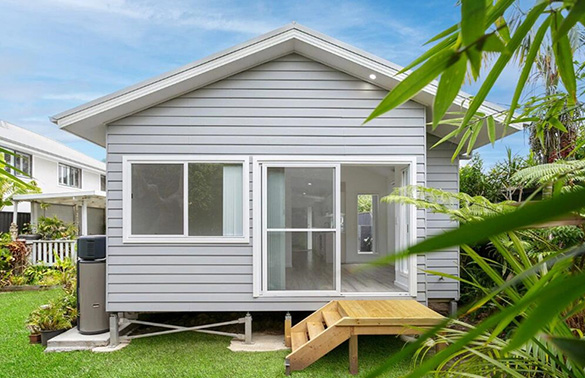
Permanent Modules (Long-Term): Permanent modules are ideal for luxury hotels or high-end/star-rated hotels, as these typically aim for 30, 40, or even 50 years of durability. Permanent temporary hotel buildings are designed for long-term use and meet the hotel's stringent requirements.
Temporary Modules (Short-Term/Rapid Deployment): If the hotel is located in a tourist resort or a trending location, temporary modules are more suitable due to their rapid deployment capabilities. Temporary modules are typically made from flat-pack shipping containers or converted shipping containers, and can be completed from design to completion in as little as two months, ideal for fast cash flow or demanding needs.
2. Preparation Considerations:
Permanent Hotel Modules (Higher Investment): Permanent hotel modules usually imply higher construction standards and material requirements, resulting in a higher initial investment. Generally, the cost per square meter of a permanent hotel module can be 5-10 times that of a temporary unit.
Temporary (Affordable Modules): Temporary units have lower costs, making them a more economical option for projects where short-term return on investment or upfront expenses are the primary considerations.
3. Degree of Customization:
While both permanent and temporary customized hotels are possible, permanent hotels require a higher degree of customization. From structural design to meticulous interior facade treatment, almost every aspect can be tailored to the client's vision. However, this higher degree of customization also presents greater challenges for manufacturers, demanding stronger capabilities in design, production, and overall supply chain management.
Temporary modules, while offering some flexibility, typically provide a more standardized range of options for rapid deployment and improved cost-effectiveness.
4. Local Conditions and Regulatory Compliance:
Instantaneous standardized technology can meet various building requirements, including specific considerations of local climate, environmental impact, foundation, and stringent building regulations. Its rational design ensures compliance and casting.

At GS MODULAR, we stand out because of our strong support, worldwide experience, and a clear understanding of what different projects need.