

Modular homes are increasingly seen as a future-ready housing solution thanks to their speed, cost-effectiveness, and sustainability. While questions remain around design flexibility, transportation, and site conditions, growing demand for affordable and efficient construction is driving rapid global adoption.
The idea of building houses in factories once seemed unconventional, but it is now a serious topic in the construction industry. Built in controlled factory environments and assembled on-site, modular homes offer a precise, consistent, and faster way to deliver modern housing.
In this article, we’ll explore why modular construction is gaining momentum worldwide, how it compares to traditional building methods, and what current market trends reveal about its long-term potential.
A Smarter, More Controlled Way to Build
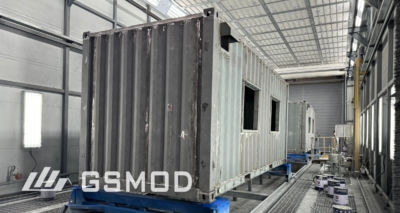
Unlike traditional houses that rely entirely on on-site work, modular houses are produced in sections, or “modules,” inside a factory. Each module is engineered with precision—complete with walls, floors, wiring, and insulation—before being transported and assembled at the final site.
This process eliminates many of the inefficiencies of traditional construction. Weather delays, inconsistent craftsmanship, and unpredictable costs are replaced with an organized, data-driven system that ensures quality and speed.
It’s an approach that saves time, reduces waste, and allows builders to maintain strict quality control throughout every stage.
Why Modular Construction Is Gaining Global Momentum
Faster Completion and Predictable Schedules
Because site preparation and module fabrication happen simultaneously, modular houses can be completed in a fraction of the time required for conventional construction.
This parallel workflow allows developers to plan projects with greater certainty, meet deadlines more easily, and reduce overall financing costs.
Superior Quality and Durability
Every module is built under consistent factory conditions, following standardized procedures and inspections. This controlled environment minimizes human error and ensures structural integrity that often surpasses traditional site-built standards.
Modules are also engineered to endure transport and installation, which strengthens their design and longevity.
Sustainability and Efficiency
The modular approach naturally supports sustainable construction. Factory production enables precise material control, reducing waste and simplifying recycling of unused resources. Many modular builders also use energy-efficient components and better insulation, helping projects meet modern green-building and carbon-reduction goals.

The Evolution of Modular Housing: From Innovation to Mainstream
What began as a niche solution for affordable housing is now becoming a mainstream strategy embraced by both private developers and public institutions.
Modular construction aligns perfectly with global priorities: reducing emissions, accelerating urban housing delivery, and addressing skilled labor shortages.
Governments are beginning to integrate modular solutions into public infrastructure, from housing to healthcare facilities. Developers are recognizing how industrialized construction can stabilize project budgets and improve margins.
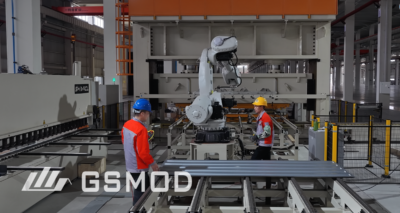
At the same time, advances in automation, robotics, and digital design tools are reshaping the factory floor—turning modular building into a high-precision manufacturing process rather than simple assembly.
The design flexibility, once considered limited, is now expanding.
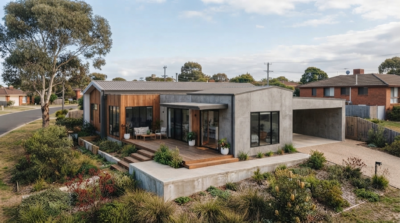
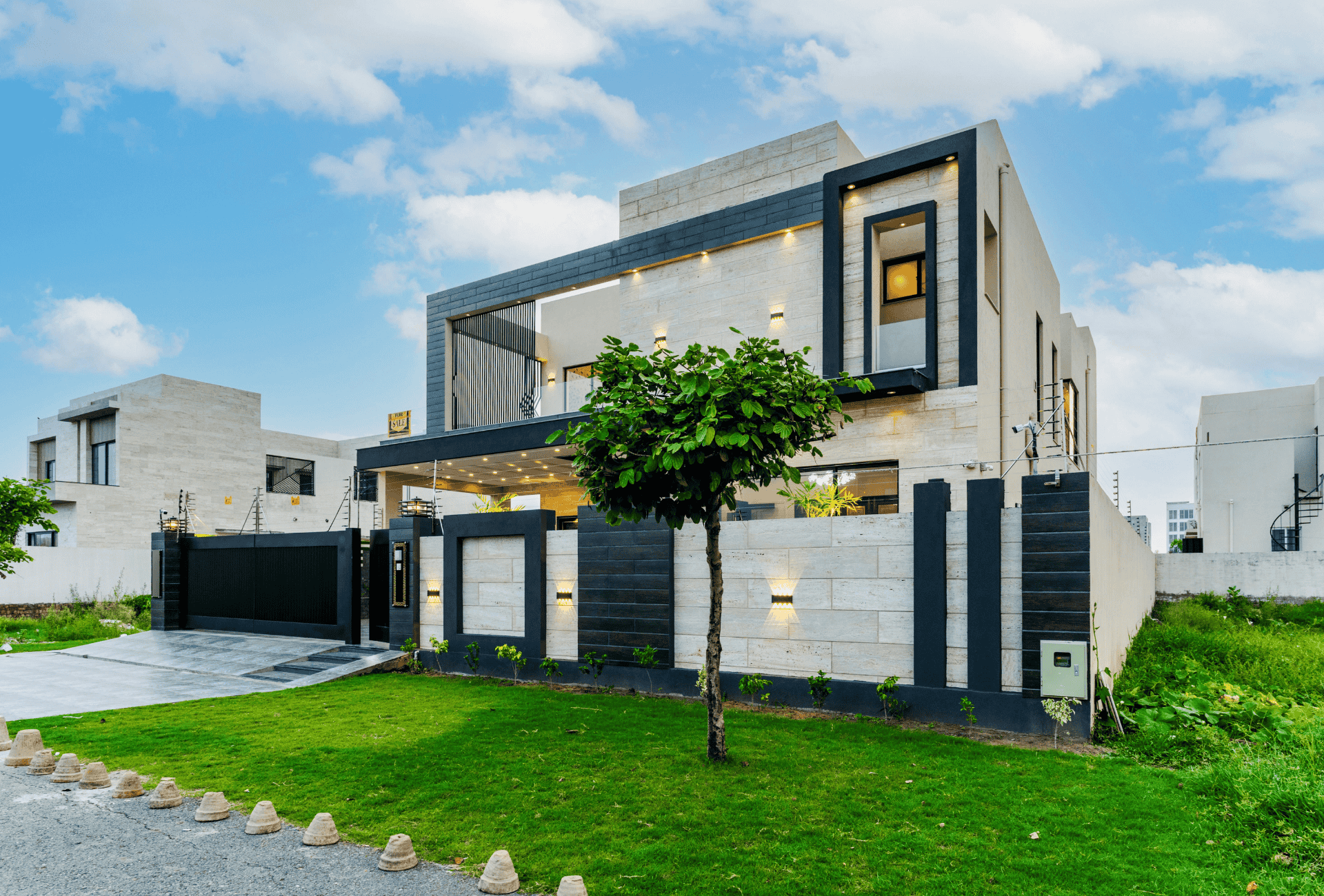
Today’s modular houses range from compact urban apartments to luxury family houses, with customizable layouts, finishes, and architectural styles.
This evolution is what makes modular construction not just efficient, but also aspirational—a modern, scalable model that can meet diverse housing demands around the world.
Market Growth and Future Prospects for Modular Construction
The global modular construction market is experiencing strong and sustained growth as governments, developers, and homeowners seek faster, cleaner, and more cost-efficient ways to build. According to MarketsandMarkets, the market was valued at USD 82.3 billion in 2023 and is projected to reach USD 139.0 billion by 2029, registering a compound annual growth rate (CAGR) of 6.2% during the forecast period.
This upward trajectory is largely driven by three global forces:
- Urbanization and changing housing demand, driving the need for faster and more scalable construction solutions.
- Sustainability commitments, as modular production reduces waste and supports low-carbon building initiatives.
- Labor and material constraints push developers toward industrialized and digitized construction models that improve cost predictability and quality.
Looking ahead, modular construction is expected to play a pivotal role in reshaping global infrastructure and housing delivery. With continued investment in modular construction, the sector is evolving from a cost-saving alternative into a mainstream, high-value component of the modern construction industry.
Sources: MarketsandMarkets (2024), Fortune Business Insights (2024), Allied Market Research (2023).
FAQs
- How long do modular houses last?
With proper maintenance, modular houses can easily match or exceed the lifespan of traditional houses—often lasting 50 years or more. - Are modular houses cost-effective?
Yes. Modular houses can save time and reduce material waste, offering more predictable budgets and faster returns on investment. - Can modular houses be customized?
Buyers can choose from predefined layouts, facades, and finishes, while large-scale projects can be customized at the design level within the modular system. - Are modular houses environmentally friendly?
Sure. Controlled production minimizes waste and energy use, making modular construction a leading choice for sustainable development. - Is modular housing suitable for large-scale developments?
Yes. Modular systems are increasingly used in large residential and commercial projects, offering scalability and consistency across multiple units.
Conclusion
Modular housing is rapidly shifting from an emerging innovation to a practical mainstream solution. With its advantages in speed, precision, and sustainability, it offers a more predictable and efficient way to build. As technology advances and global demand for faster, cleaner construction grows, modular homes are positioned to play an increasingly important role in shaping the future of housing.