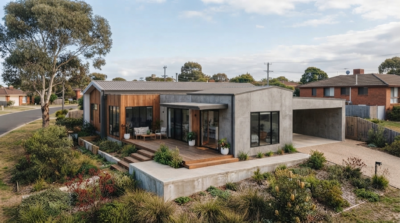


Traditional construction often suffers from unpredictable delays, but permanent modular building solves this through a synchronised factory process. From contract signing to move-in, a permanent modular home typically takes 3 to 5 months to complete. While the factory production of the modules only requires 6 to 12 weeks, the total timeline accounts for parallel site preparation and final on-site finishing.
Beyond the primary timeline, this guide breaks down the specific phase-by-phase schedule, compares modular speed to traditional construction, and explains why factory-built quality often exceeds site-built standards.
What Is the Typical Timeline for a Permanent Modular Home?
For a standard single-family permanent modular home between 150 and 300 square metres, the total time from signing the contract to moving in is usually 2 to 3 months.
- Simple, standard designs with a ready site: 2–3 months
- Most typical projects with moderate customisation: 3–4 months
- Highly custom or complex multi-storey designs: 4–5 months
This timeline is generally 40% to 60% shorter than building the same-sized house using traditional onsite methods.
Why Is Modular Construction So Much Faster Than Traditional Building?
The increase in speed stems from a fundamental change in the building process and methods. In traditional construction, almost everything happens sequentially on the site, and progress is heavily affected by weather, labour availability, and material delivery delays.
In permanent modular construction, 80–90% of the building work is moved into a controlled factory environment. Multiple modules can be built at the same time, quality checks are easier to perform, and the weather no longer stops progress. Because factory production runs in parallel with site preparation, the overall schedule is dramatically compressed.

Detailed Construction Process: Step by Step
Phase 1: Design, Engineering and Permitting (2–4 Weeks)
The process starts with detailed design work. Clients either select from existing floor plans or work with the Modular Construction Company to create a custom layout. Engineering drawings are prepared, energy performance calculations are completed, and all necessary building permits are submitted.
Because modular designs are standardised and factory-tested, permitting is frequently faster than for traditional builds. However, approval times still vary significantly depending on the local authority and the complexity of the project. Early and clear decision-making during this phase helps avoid unnecessary delays later in the schedule.
Phase 2: Factory Manufacturing (4–6 Weeks)
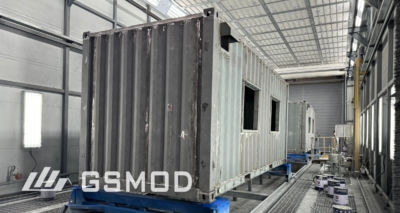
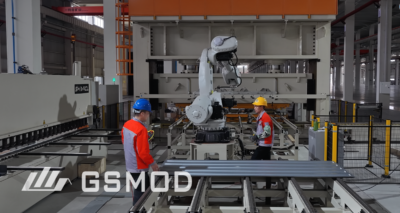
This is the heart of modular construction and where the greatest time savings occur. Approximately 80–90% of the building work is completed inside the factory, including the structural frame, insulation, plumbing and electrical systems, windows and doors, and a large portion of interior finishes.
Multiple modules can be produced simultaneously in a weather-protected environment, allowing for parallel workflows and strict quality control at every step. This phase is largely unaffected by external conditions, which is one of the main reasons modular homes achieve such consistent timelines.
Phase 3: Site Preparation and Foundation (2–3 Weeks)
While the modules are being manufactured in the factory, site preparation and foundation work proceed in parallel. This includes clearing the land, installing utilities, and pouring the permanent foundation (typically a concrete slab or full basement).
Running these activities concurrently is a major efficiency advantage of modular construction. The foundation must be fully cured and ready before the modules arrive on site.
Phase 4: Transportation, Delivery and On-Site Assembly (3–4 Weeks)
Once manufacturing is complete, the finished modules are carefully loaded onto specialised transporters and delivered to the site. A crane then lifts each module into its final position. For a standard two story modular homes, the structural assembly and making the building weather-tight can usually be achieved within 3 to 10 days.
Phase 5: Final Connections, Finishing and Handover (1–3 Weeks)
The last stage involves connecting all utilities, completing exterior cladding and roofing details, final interior work, and carrying out all required inspections. Any minor adjustments or snagging items are addressed before the home receives final approval and is handed over to the owner.

Common Questions to Ask About Speed and Quality
Many people wonder whether such fast construction compromises quality. In reality, the opposite is often true. Factory conditions allow for tighter tolerances, better sealing, and more consistent workmanship than is usually possible on an open construction site. Permanent modular homes are built to the same (or higher) building codes as traditional houses and frequently perform better in areas such as energy efficiency and airtightness.
Leading manufacturers like GS Modular use the same high-quality heavy steel materials as traditional builders—and in many cases, steel frames offer even greater durability.
Permanent Modular vs Traditional Construction
| Phase | Permanent Modular Home | Traditional Site-Built House |
| Design & Permitting | 2–4 weeks | 4–12 weeks |
| Main Construction Phase | 4–6 weeks (factory) | 6–12 months (onsite) |
| Site Preparation & Foundation | 2–3 weeks (parallel) | 4–8 weeks |
| Assembly & Final Finishing | 4–6 weeks | 3–6 months |
| Total Project Timeline | 3–5 months | 9–18+ months |
Key Factors That Can Shorten or Lengthen the Timeline
Several elements directly affect how quickly a project can be completed:
- Degree of customisation: Standard plans move fastest through the factory.
- Site readiness: A prepared site and prompt foundation work keep the schedule on track.
- Local permitting speed: Some authorities process modular applications more efficiently.
- Factory workload: Peak seasons may create minor queues.
- Transportation distance: Sites closer to the factory save a few days.
With good planning and early site preparation, many projects comfortably finish within the 2–5 month range.
Conclusion
A permanent modular home realistically takes 2 to 5 months from contract to move-in. By running factory production and site work in parallel, this method cuts traditional timelines by 60% without sacrificing quality.
For those using advanced systems like GS Modular, it remains the most predictable and durable path to high-quality housing.
People Also Ask
1. Is it cheaper to build a modular home?
Not necessarily in raw costs, as modular homes often use higher-grade materials for transport. However, the economic value is higher: by cutting construction time by 60%, you significantly reduce loan interest and can move in or generate rental income months sooner.
2. Can you put a modular home on any piece of land?
Generally, yes, provided it is zoned for residential use. The main requirement is site accessibility for the heavy transporters and cranes needed for the “set.” The home must be installed on a permanent foundation that meets all local building codes.
3. Do modular homes hold their value like traditional houses?
Yes. Because they are classified as permanent real estate and built to the same (or stricter) codes as site-built homes, they appreciate at the same rate. Banks and appraisers treat them as standard, high-quality permanent assets.
4. How long do permanent modular homes last?
A modular home lasts 50 to 100+ years, matching or exceeding traditional builds. Since they are constructed in a climate-controlled factory, the materials are never exposed to the elements during framing, resulting in a more durable, low-maintenance structure.
5. Can I get a traditional mortgage for a modular home?
Absolutely. Permanent modular homes qualify for the same financing as stick-built houses, including FHA, VA, and conventional 30-year mortgages. Lenders often favour modular projects because the shorter construction window reduces financial risk.