

When considering modular houses, many potential buyers or developers may wonder about their safety. After all, modular houses are built in a factory and then assembled on-site, raising questions about their durability, resistance to natural disasters, and overall safety. Can modular houses really be as safe as (or even safer than) traditional, site-built houses?
In this article, we’ll delve into the safety of modular houses. We’ll explore construction quality, building codes, disaster resilience, fire safety, and more. Ultimately, you’ll have the information you need to make an informed decision about whether a modular house is safe.
Key Safety Features of Modular Houses
Modular Houses Meet Stringent Building Codes
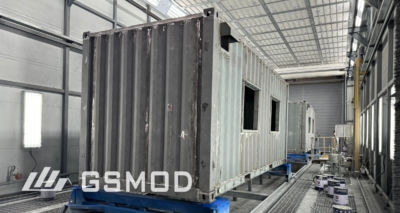
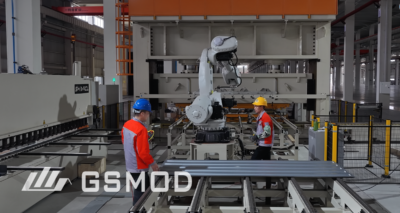
Modular houses are built in modular factories under strict conditions and must adhere to local, state, and national building codes. This ensures that every modular house is built to the same standards as traditional houses. The key difference is that modular houses are constructed in a controlled environment, allowing for higher consistency and fewer opportunities for errors.
Enhanced Structural Integrity and Durability
One of the standout benefits of modular houses is their structural integrity. These houses are designed to withstand the rigors of transportation and assembly. The modular units are carefully constructed with high-quality materials to ensure they can handle external stress like wind, seismic activity, and more.
Fire Safety Features
Just like traditional houses, modular houses are equipped with fire safety features, including smoke detectors, fire-resistant materials, and sprinkler systems. In fact, many modular houses today are constructed with modern building materials that offer additional protection compared to older traditional houses.
- Ensure fire-resistant roofing materials.
- Verify the inclusion of smoke detectors and fire alarms.
- Check for fire-resistant wall panels and insulation.
How Modular Houses Handle Extreme Weather Conditions
Weather Resistance and Disaster Readiness
Modular houses are designed to endure harsh weather conditions. Their durability in storms, floods, and high winds is one of the major selling points. These houses are often engineered to meet or exceed the requirements for wind resistance, especially in hurricane-prone regions. Manufacturers often provide this information to ensure that their houses are suited to local environmental conditions.
Seismic and Earthquake Safety
Many modular houses are built to resist seismic activity, which is crucial for areas prone to earthquakes. The factory construction process ensures that the building components fit together precisely, minimizing the risk of structural failure during an earthquake.
- Review the earthquake safety certifications for modular houses.
- Ensure that the house is built with seismic-resistant materials.
- Ask about any additional structural reinforcements in high-risk earthquake zones.

Health and Environmental Safety
Air Quality and Toxic-Free Materials
One of the overlooked safety features of modular houses is the emphasis on indoor air quality. Many modular homes are built using non-toxic materials, such as formaldehyde-free insulation and low-volatile organic compound (VOC) paints, which are harmless to the health of the residents. This is an essential aspect of safety, as better indoor air quality can reduce health risks.
Energy Efficiency and Sustainability
Modular houses are typically more energy-efficient than traditional houses due to their well-insulated walls, roofs, and floors. This reduces the risk of mold and other moisture-related issues, which can impact health and safety. Additionally, many modular houses can be customized with specific environmentally friendly materials upon request, further promoting sustainability.
How to Decide if a Modular House is Safe for You
Choosing the right modular house requires considering your specific needs and the safety features that are most important to you. Here’s a simple guide to help you decide:
- Evaluate Your Location: Consider the natural disasters prevalent in your area (e.g., hurricanes, earthquakes) and ensure that the house meets the necessary safety standards.
- Inspect the Materials Used: Choose a modular house that uses non-toxic, fire-resistant, and durable materials.
- Review the Builder’s Reputation: Research the modular house manufacturer’s certifications and their compliance with local building codes.
- Consider Long-Term Safety: Ensure the house is energy-efficient, reduces moisture buildup, and supports healthy indoor air quality.
FAQ Section
1. Can modular houses be customized for additional safety features?
Yes, large-scale projects can be customized to include advanced safety features such as reinforced windows, steel frames, or enhanced earthquake-resistant foundation systems. The specific customization options depend on the services provided by the manufacturer.
2. Do modular houses comply with local building codes?
Yes, modular houses are subject to the same local building codes as traditionally constructed houses. Builders must comply with all applicable safety standards, ensuring the houses meet regulatory requirements for the area.
3. Do Modular Houses Require Special Foundations?
Modular houses require a foundation, just like traditional houses. The type of foundation—such as slab, crawl space, or basement—depends on the house’s design and site conditions. It’s important to select the right foundation to ensure stability and compliance with local building codes.
4. How long do modular houses last?
With proper maintenance, modular houses can last just as long as traditional houses, typically over 50 years or more.
5 . Are modular houses energy-efficient?
Yes, modular houses are often more energy-efficient due to their well-insulated construction, which can lower heating and cooling costs while promoting better indoor air quality.
Conclusion
Modular houses meet the same safety standards as traditional houses, offering exceptional durability, fire safety, and disaster resistance. With high-quality construction, fire-resistant materials, and customizable safety features, they’re a reliable choice for those who need them. By choosing a reputable manufacturer and ensuring the proper materials and foundation, you can confidently invest in a modular house that provides long-term safety and peace of mind.