

For anyone planning a new building, one question always rises to the surface: how to balance construction cost, time, and quality. Among today’s options, traditional on-site building and modular construction stand out as two distinct approaches. Both create permanent, high-quality structures — yet their processes and economic outcomes differ sharply.
Traditional construction follows a long, sequential path shaped by weather, labor, and material factors. Modular building, on the other hand, combines industrial production with on-site assembly, allowing parallel progress and predictable schedules. This change in method shifts not only how a project is built, but also how its cost and value are defined.
While the unit cost of modular construction is usually higher, the shorter timelines, reduced risk, and earlier returns often deliver better overall project efficiency. This article explains those differences in clear terms, helping you decide which method better serves your budget and timeline.
Modular vs Traditional Construction: How They Differ
Both modular and traditional building methods deliver permanent, code-compliant structures, but the way they reach completion differs significantly.
Traditional building takes place entirely on-site — foundation, framing, and finishing are completed one after another, often stretching over many months. External factors such as weather, labor availability, and material delivery can easily disrupt the schedule.
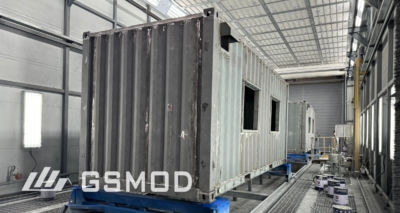
Modular construction, in contrast, follows a controlled, industrial process. Modules are fabricated in a factory while the foundation and site work occur simultaneously. Once complete, these modules are transported to the site and assembled into a single integrated structure. The result is a shorter, more predictable project cycle with consistent quality.
| Aspect | Traditional Building | Modular Building |
| Average Cost | $1,800–$4,000 USD/sqm | $2,000–$5,000 USD/sqm |
| Build Duration | 8–12+ months | 3–5 months |
| Cost Predictability | Moderate, site-dependent | High, factory-controlled |
| Quality Stability | Varies by weather and labor | Consistent, standardized |
| Return Cycle | Later occupancy | Earlier use, faster ROI |
Why Modular Construction Costs More
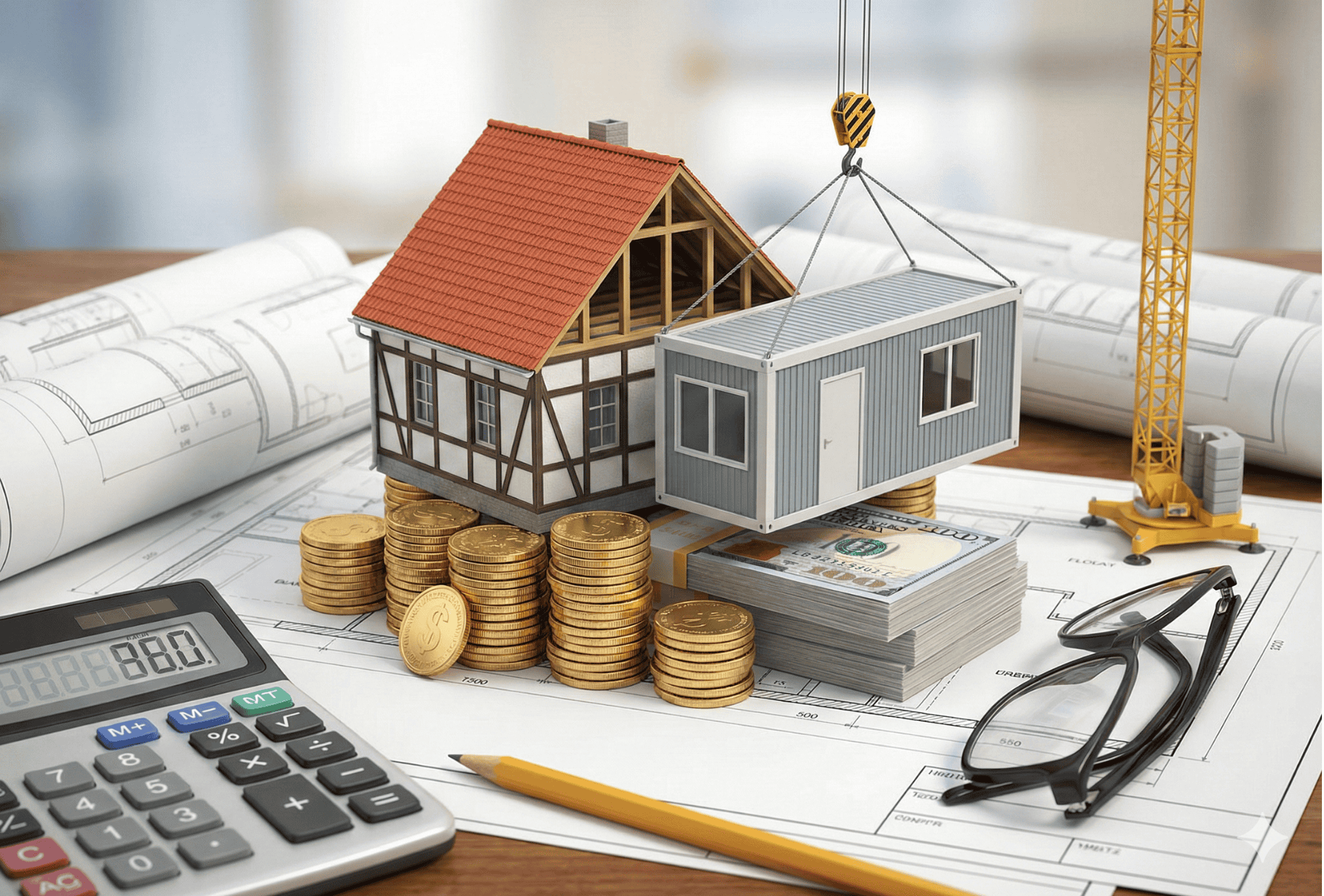
Modular construction is often perceived as efficient and modern — which it is — but efficiency comes with precision-driven processes and additional logistics that slightly increase its upfront cost.
Factory-Level Production
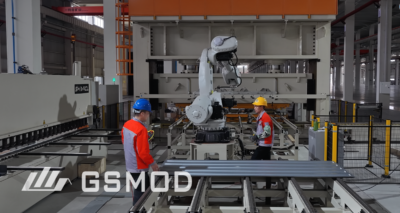
Modules are built using advanced equipment and strict quality control inside specialized factories. This requires skilled labor, precision engineering, and high-grade materials, resulting in greater uniformity but higher per-square-meter costs.
Transportation and On-Site Installation
After completion, modules are transported to the site and lifted into place by cranes. The transportation distance, site accessibility, and installation process all add to the total project cost — yet the installation phase usually takes only a few days.
Stricter Quality Assurance
Each module is inspected multiple times before leaving the factory. This ensures compliance with building codes such as the International Residential Code (IRC) and significantly reduces the likelihood of defects or delays later in the process.
Time Efficiency and Economic Return
In construction, time equals money.
While traditional projects may take 8–12 months or more to finish, modular construction typically shortens that window by 30–50%. The modules are produced in parallel with on-site foundation work, compressing the schedule without compromising quality.
This shorter timeline has tangible financial benefits:
- Lower financing interest, since loans are
- Earlier occupancy, reducing interim housing or leasing costs
- Faster revenue generation, especially for rental or operational projects
- Reduced exposure to labor and weather risks
Even though modular construction may have a higher price per square meter, these time-related savings often make it more cost-effective over the full project lifecycle.
Long-Term Performance and Sustainability
Modular buildings are not only faster to complete — they also offer strong long-term performance.
Factory-controlled assembly minimizes material waste, ensures consistent insulation, and prevents moisture damage during construction. Over time, this translates into better structural stability and 10–20% lower energy consumption compared with typical site-built structures.
Because modules are designed for transport, they are inherently more rigid and precise, providing excellent resistance to wear and movement over decades of use. With proper maintenance, modular buildings can easily achieve a service life of 50 years or more.
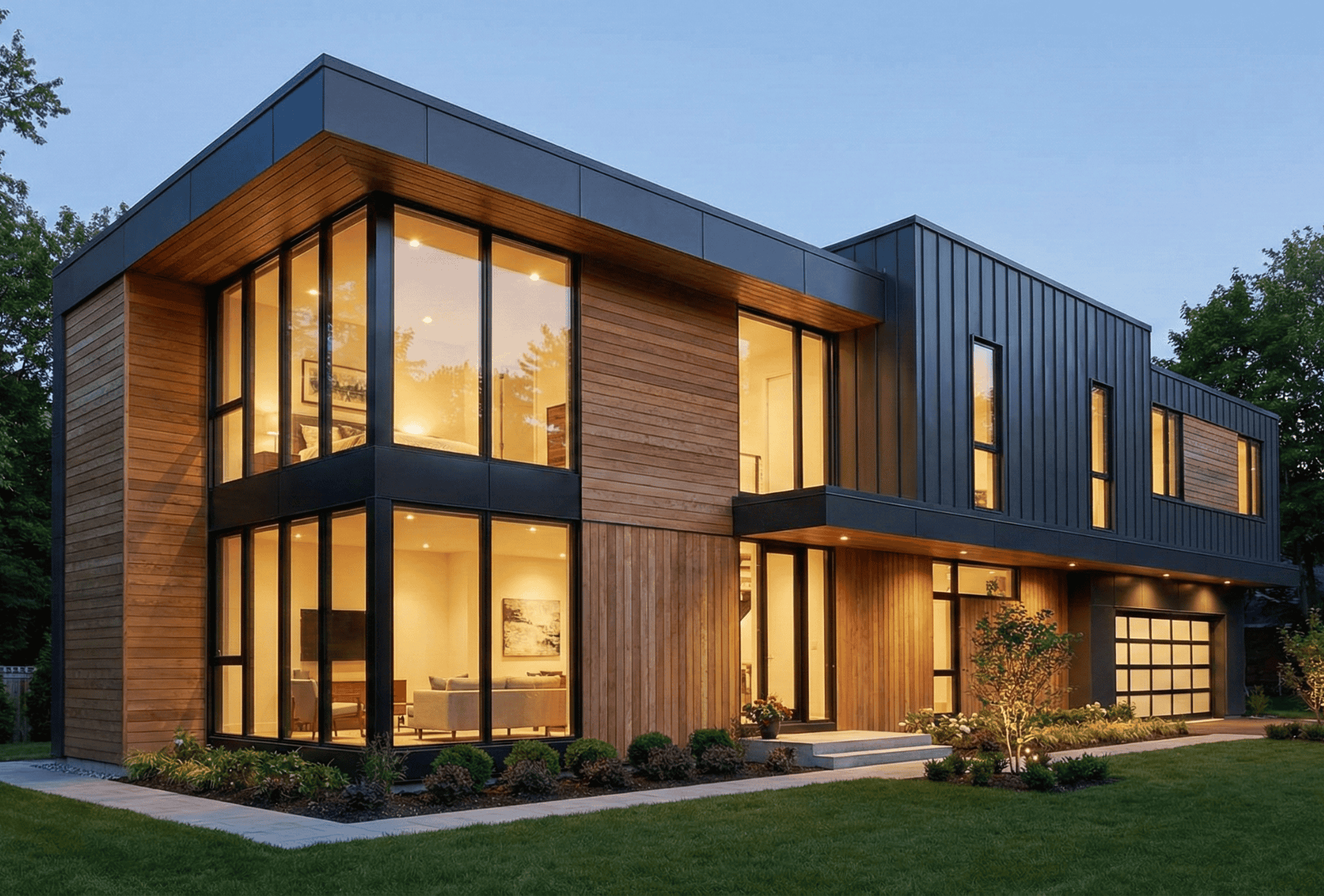
When Each Method Makes Sense
Choosing between modular and traditional construction isn’t about which method is better; it’s about which works best for you.
Modular construction is most advantageous when projects require:
- Shorter timelines and earlier occupancy
- Predictable budgets and reduced on-site risk
- Consistent quality across multiple units or standardized building types
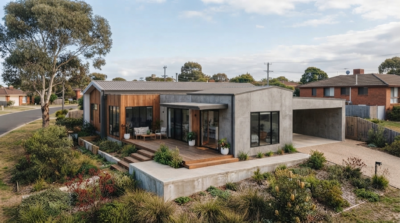
Although modular systems are often associated with standardization, they still allow a high degree of customization — from floor plans and façade designs to interior finishes. Modular design is especially effective for projects needing coordination, such as housing clusters, educational residences, or staff accommodations.
Traditional construction remains suitable when:
- A project demands a unique, one-off architectural design
- Labor and materials are readily available, and schedules are flexible
- Site conditions restrict module delivery or crane operation
FAQs
1. How does the quality of modular buildings compare to traditional ones?
Specialized factories made modules undergo strict quality control and precision assembly, and will undergo international building quality certification, so the quality is comparable to or even better than traditional buildings.
2. Does location affect modular construction?
Yes. Site access, terrain, and local permits influence logistics and cost. Good planning early in design helps avoid installation delays.
3. What is the typical lifespan of a modular building?
With proper maintenance, modular structures can last 50 years or longer, matching or exceeding traditional builds.
4. How customizable are modular buildings?
Modular buildings maintain consistency at scale while also allowing for flexible layouts, finishes, and appearances.
Conclusion
So, is it cheaper to build a traditional house or a modular one?
From a purely cost-per-square-meter perspective, traditional construction is usually less expensive. However, modular construction delivers value in other crucial ways — shorter project timelines, reduced uncertainty, and earlier returns on investment.
When you consider total project performance rather than just initial expense, modular construction often emerges as the more economically efficient and future-ready solution.