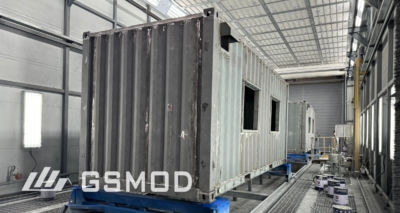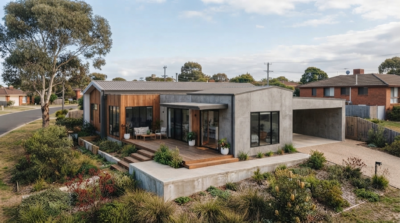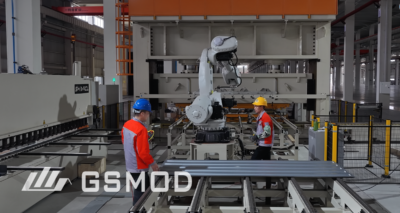


With the growing adoption of prefabricated construction, questions often arise regarding how such housing types are classified in property law. While modular houses are generally recognized as real property, other categories—such as manufactured or temporary prefab units—are usually treated as personal property. This guide outlines the key distinctions, explains the conversion process from temporary prefab to real property, and provides methods for verifying a house’s current classification.
1. Understanding Prefab, Manufactured, and Modular Houses
Not all prefab houses are the same. The word “prefab” simply means prefabricated—a house built in a factory and transported to the site for assembly
- Prefab Houses:
A broad term for any house that is at least partially constructed in a factory. Prefab houses are popular for their cost efficiency, reduced waste, and faster installation.
- Manufactured Houses:
These houses are built on a steel frame with wheels and axles and follow the HUD Code in the United States. Because they can be moved, they are treated as personal property, much like a vehicle.
- Modular Houses:
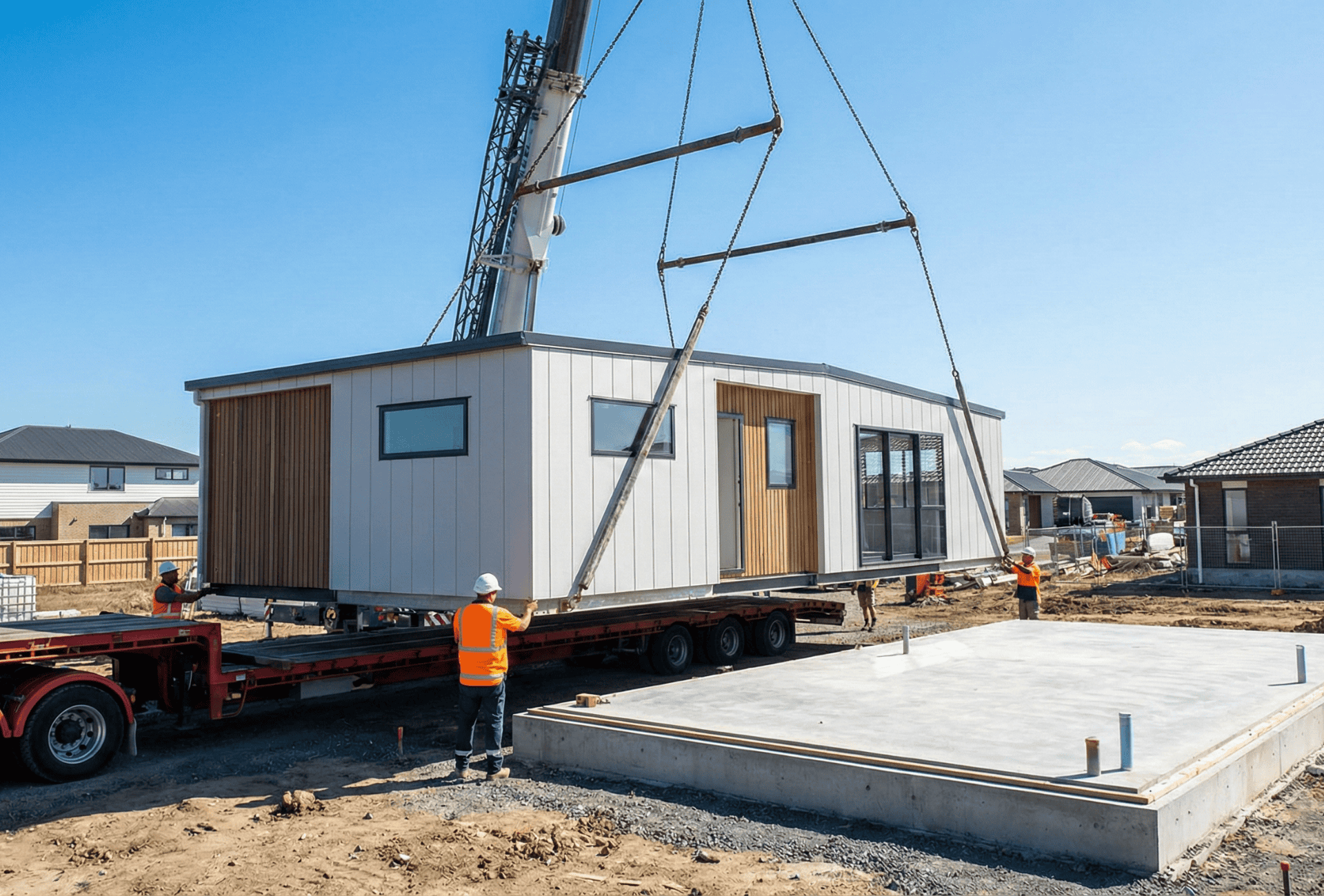
Modular houses are built in sections inside a controlled factory environment, then permanently attached to a foundation that meets local building codes (such as the IRC). Once installed, they are legally recognized as real property and can be financed, insured, and taxed like traditional houses.
In summary, manufactured houses remain movable and classified as personal property, whereas modular houses are permanently attached and recognized as real property. Temporary prefab structures can be upgraded to meet modular standards, allowing for conversion to real property status.
2. What Is Real Property (and Why It Matters)
Real property includes the land and any permanent structures attached to it—such as a house, garage, or foundation. By contrast, personal property refers to movable items like vehicles, portable sheds, or RVs.
Why the difference matters:
- Financing: Only real property qualifies for standard mortgage loans such as FHA, VA, or conventional mortgages.
- Taxes: Real property is assessed as real estate, contributing to its long-term equity and market value.
- Legal protection: Ownership, transfer, and inheritance procedures are clearer and more secure under real-property status.
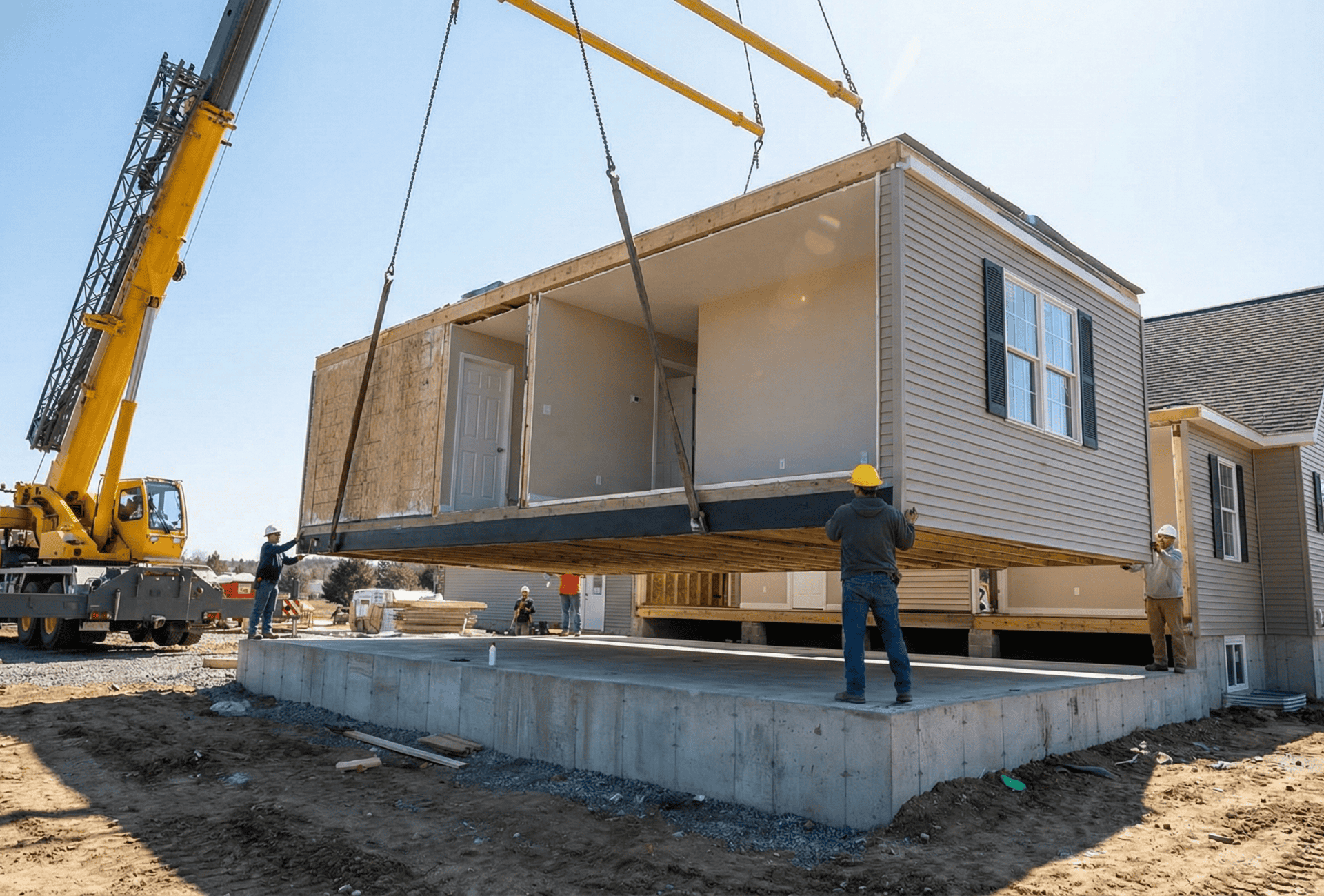
3. How to Convert a Prefab or Manufactured House into Real Property
- Own the land.
The homeowner must own the land where the structure is placed. Units situated on leased lots or in rental communities generally do not qualify unless permitted by local regulation. - Install a permanent foundation.
Remove all wheels, axles, and hitches, and set the house on a permanent foundation such as concrete or engineered piers.
The foundation must meet local building-code standards and should be certified by a licensed engineer. - Surrender the vehicle title.
If the unit carries a vehicle title, it must be surrendered to the appropriate housing or motor-vehicle authority to terminate its status as personal property. - File an affidavit of affixture.
A formal declaration linking the house to the land parcel must be recorded with the county assessor or recorder, confirming that the house is part of the real property. - Update property and insurance records.
Once recorded, the house and land are legally unified as a single property asset. Insurance coverage and local tax records should be updated to reflect this change. - Apply for mortgage refinancing (optional).
After conversion, the property may become eligible for conventional mortgage financing under standard lending terms.
4. Benefits of Converting to Real Property
Reclassification of a prefab or manufactured house as real property offers several practical outcomes:
- Broader access to mortgage financing and refinancing.
- Alignment with conventional property appraisal standards.
- Unified land and structure ownership under a single title.
- Eligibility for comprehensive homeowner insurance coverage.
- Compliance with permanent-building regulations and improved structural stability.
5. How to Determine Whether a House Is Classified as Real Property
Verification of a house’s classification as real property can be completed through review of official records and documentation.
- County assessment records – Examine property-tax information at the county assessor’s or recorder’s office to confirm whether the house is listed and taxed as real estate rather than as a vehicle or movable structure.
- Title documentation – Contact the relevant state housing or motor-vehicle authority to verify that any previously issued vehicle title has been surrendered or retired.
- Recorded affidavit – Check county records to determine whether an affidavit of affixture, or an equivalent document, has been officially recorded to link the house with the land parcel.
- Professional verification – If clarification is required, a title company, attorney, or real estate professional can perform a records review to confirm the house’s classification.
If the property-tax designation, title status, and recorded documentation are consistent, the house is recognized as real property. If any of these elements are incomplete, the conversion procedures described above must be completed to establish that status.
6. Common Mistakes to Avoid During Conversion
The following oversights often lead to delays or noncompliance during conversion:
- Absence of an engineer’s foundation certification.
- Failure to record the affidavit of affixture.
- Conflicts with zoning or land-use requirements.
- Conducting foundation work without proper permits.
- Neglecting to update insurance or tax documentation after conversion.
7. Frequently Asked Questions
- How long does the conversion process take?
The timeline varies by state, but typically it takes between four and eight weeks to complete inspections, file paperwork, and update county records. - How much does it cost to convert a manufactured house to real property?
Costs depend on the type of foundation, engineering fees, and local permit costs. Most conversions range from $5,000 to $15,000. - Can I convert my house if I don’t own the land?
Usually not. Conversion requires ownership of the land beneath your house, although some states offer special programs for long-term leased land. - What documents do I need for the conversion?
You’ll need your original house title, proof of land ownership, an engineer’s foundation certification, and an affidavit of affixture for recording. - Will converting my house increase my taxes?
Yes, property taxes may rise slightly once your house is classified as real estate, but you’ll gain equity, financing options, and resale value that typically outweigh the increase.
Conclusion
Prefab housing is reshaping how people build and live, but understanding its legal classification is essential to unlocking its full potential. A modular house is automatically considered real property once it’s permanently installed and recorded. A manufactured or temporary prefab house can also become real property—after it’s placed on a permanent foundation, documented correctly, and registered with local authorities. Converting your prefab house is more than just a paperwork update. It transforms your house into a long-term investment, gives you access to better financing, strengthens your legal rights, and ensures your property stands solidly for generations to come.