

The construction world is transforming. Rising costs, urgent housing demand, and climate goals are forcing the industry to rethink how buildings are made. Among many innovations, modular construction stands out, delivering speed, sustainability, predictability and affordability that traditional methods, such as concrete, struggle to match.
What is Modular Construction?
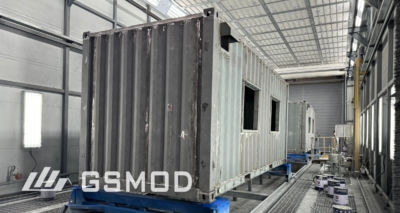
Modular construction is a method where sections of a structure—called “modules”—are prefabricated in a factory setting and then transported to the construction site for assembly. Unlike traditional construction, which focuses on on-site work, modular construction emphasizes off-site production, minimizing weather-related delays, reducing waste, and ensuring better quality control. These modules typically come pre-assembled with plumbing, electrical systems, insulation, and finishes. Once on-site, the process becomes significantly quicker, with a primary focus on laying the foundation, positioning the modules, and connecting them to complete the building.
In essence, modular construction merges construction with manufacturing, making the process faster, more efficient, and often more sustainable.

What Makes Modular Construction Different?
Unlike traditional concrete construction, which relies heavily on on-site labor, modular construction involves most of the work being done in a controlled factory environment:
- Design and Engineering: Utilizing digital tools like Building Information Modeling (BIM), the entire structure is planned, thereby minimizing errors and delays.
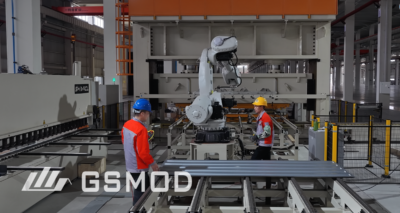
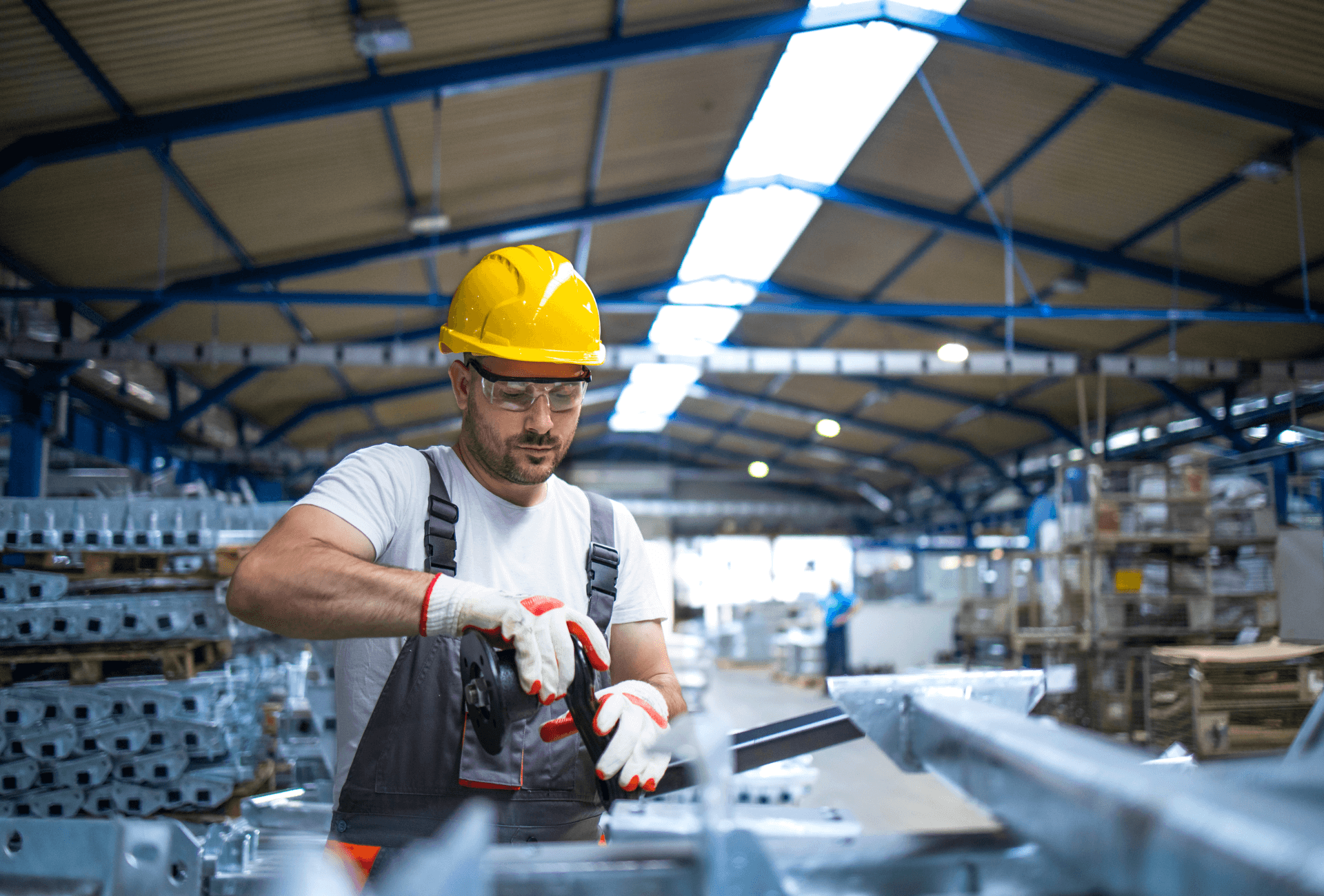
- Module Production: Walls, floors, and roofs are manufactured on production lines, with plumbing, wiring, and insulation pre-installed.
- Quality Control: Each unit is thoroughly tested in a factory setting to ensure consistent performance before being shipped to the site.
- Pre-assembly: Some modules are partially joined in the factory to speed up on-site installation.
- At the construction site, only essential tasks remain: preparing the foundation, transporting the modules, lifting them into place, and connecting utilities. This concurrent process reduces delays and speeds up project completion.
In short, modular construction is more closely aligned with manufacturing than traditional building, offering a more streamlined and efficient process.
Why Modular Construction Is Becoming the Preferred Choice
Speed and Cost Efficiency
Traditional concrete projects are often delayed, but modular buildings arrive ready to assemble, reducing construction time by months. This predictability lowers financial risks and improves project outcomes.
Addressing Global Housing Needs
The UN estimates that 96,000 affordable homes are needed every day by 2030. Modular construction is meeting this demand in various regions:
- Europe uses it to deliver energy-efficient housing more quickly.
- Asia applies modular design in dense cities for student housing and hospitals.
- Africa uses it to address rapid urbanization and provide affordable housing.
Modular adapts to diverse regional needs, making it a practical solution for global markets.
Building Sustainability
Concrete is a significant source of carbon emissions. Modular construction helps reduce material waste by up to 40%, supports recycling, and utilizes green building supply such as timber and steel. In some regions, entire modular buildings have been relocated and reused, supporting a circular economy.
Sustainability is a core strength of modular, aligning it with global climate strategies.
Real-World Applications
- Housing: Apartment complexes and residential projects are delivered in nearly half the time it usually takes.
- Healthcare: Hospitals and clinics are built in weeks to meet urgent demand.
- Education: Schools are expanded quickly to support growing populations.
- Emergency Shelters: Safe housing is provided within days after natural disasters.
These examples demonstrate how modular construction addresses both urgent needs and long-term infrastructure objectives.
Challenges Modular Construction Is Solving
- Transportation Costs: Moving modules over long distances can be expensive.
- Solution: Establish regional factories near urban centers to reduce logistics costs and create local employment opportunities.
- Outdated Perceptions: Modular was once associated with “temporary” housing.
- Solution: Modern modular buildings demonstrate durability, comfort, and contemporary design.
- Design Flexibility: While standardization was once a limitation, digital tools now allow modular buildings to be customized for various architectural styles.
- Supply Chain Expansion: Some regions lack modular facilities, but governments and developers are investing in training programs and new factories to scale production.
These challenges are driving innovation, showing that modular construction is continually improving.
Why Concrete Still Matters—But Won’t Dominate Alone
Despite the rise of modularity, concrete remains a crucial material in specific applications. It remains essential for super-tall towers, large bridges, and heavy infrastructure, where extreme strength is required. Concrete also has a long history of durability and safety performance, especially in seismic and fire-prone regions.
However, for most housing, healthcare, and education projects, modular construction is increasingly the more intelligent choice—faster, more sustainable, and easier to scale.
The Future: Modular Leading the Way
The future of construction is modular-first, with concrete supporting where necessary. Key trends include:
- Hybrid Projects: Combining modular units with concrete foundations for stability.
- Circular Construction: Designing modular buildings for reuse and relocation.
The global modular construction market is projected to grow from USD 131 billion in 2021 to USD 234 billion by 2030, demonstrating unstoppable momentum.
Frequently Asked Questions (FAQs)
Q1: Is modular construction cheaper?
Yes, faster timelines and lower labor needs often result in savings of 20–30%, though logistics can affect costs.
Q2: How durable are modular buildings?
Modern modular buildings typically last 30–60 years or more with proper care. Continuous technological upgrades are extending their lifespan.
Q3: Is modular construction sustainable?
Absolutely. Modular construction reduces waste, lowers emissions, and enables recycling—making it a greener alternative to conventional building methods.
Q4: Can modular be used for high-rises?
Yes, especially in hybrid models. Some modular high-rises already exceed 20 stories.
Q5: Which regions lead modular adoption?
Europe, Asia, and North America are leading the way, while Africa and Latin America are expanding the use of modular housing to meet affordable housing needs.
Conclusion
Will modular construction eventually replace concrete? In many projects, it already is. While concrete remains vital for megastructures, the future of housing, education, and healthcare is likely to belong to modular construction.
For developers, modularity ensures faster delivery and lower risk.
For governments, modular addresses housing shortages and sustainability goals.
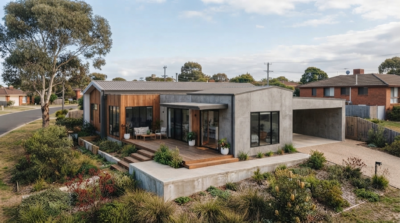
For buyers, modular homes are modern, durable, and eco-friendly.
The future of construction is not about concrete versus modular—it’s modular, with concrete supporting where needed.