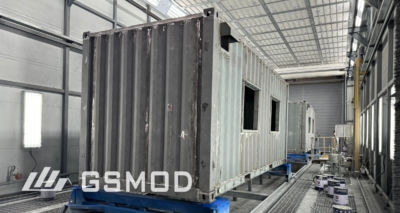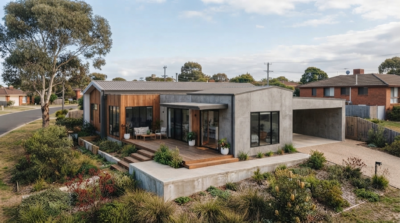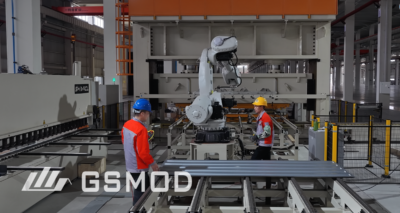


For universities, PBSA developers and student housing investors, the cost of modular student accommodation in Australia depends on more than the factory price of each module.
A realistic budget should consider the room layout, building height, bathroom type, structural system, MEP services, fire and acoustic requirements, shipping, installation, site access and local approval support.
As an early-stage guide, many 3–7 storey modular student accommodation projects in Australia may fall within an indicative modular building package range of AUD 2,800–3,800 per m².
Simple low-rise projects with standardised layouts may be lower. Higher-specification PBSA projects, coastal sites, multi-storey buildings or projects with complex façade, fire, acoustic or service requirements may increase to AUD 3,800–5,000+ per m².
These ranges are intended for early-stage feasibility review only. They should not be treated as a fixed construction quote, QS-certified estimate or final project cost. Final pricing depends on confirmed drawings, project location, delivery terms, local consultant review, installation scope and approval requirements.
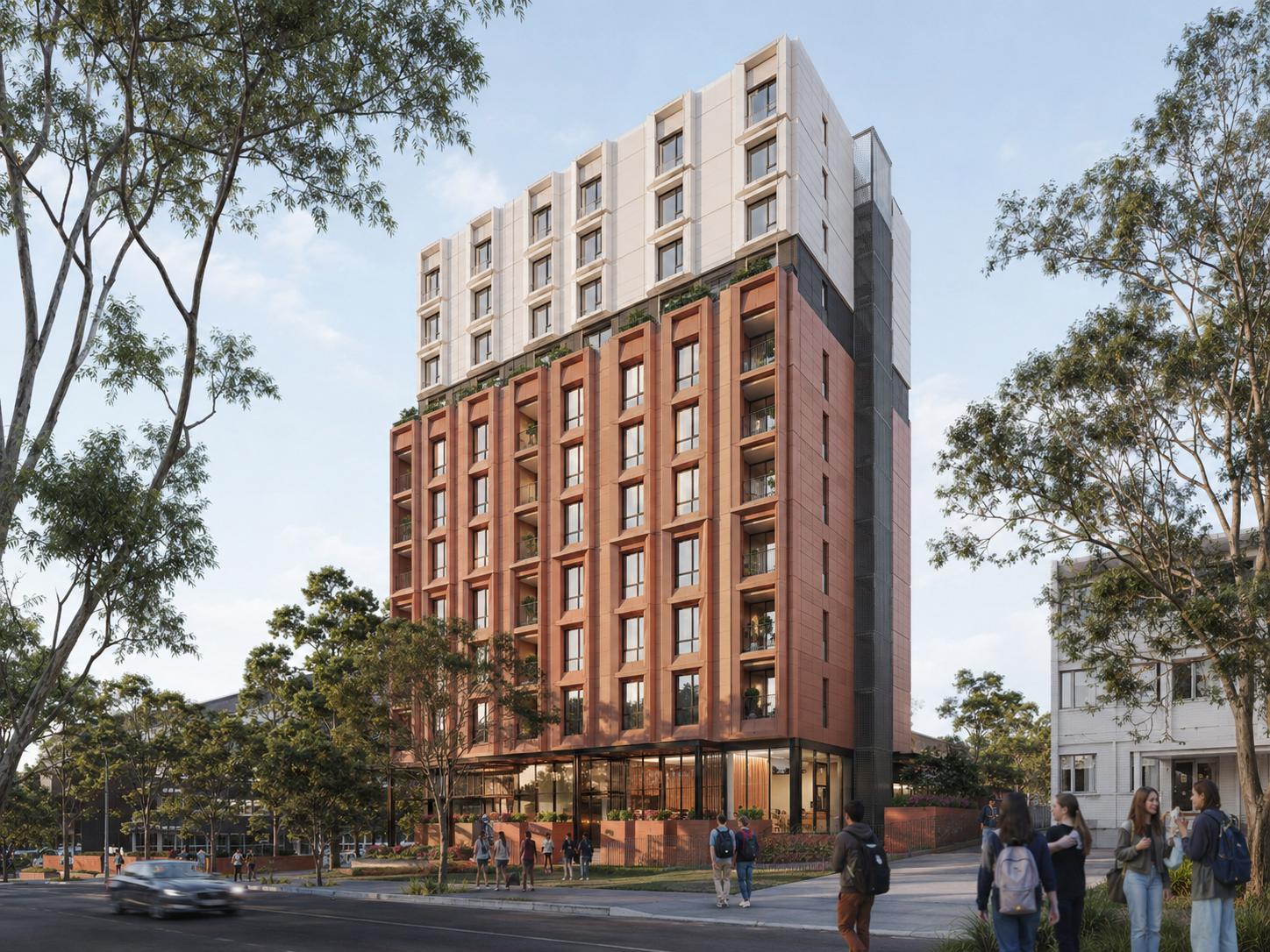
Indicative Cost Range and What Is Included
| Project Type | Indicative Cost Range |
|---|---|
| Standard FOB modular supply only | AUD 1,300–1,500 / m² |
| Simple low-rise accommodation package | AUD 2,100–2,900 / m² |
| 3–4 storey PBSA / student apartment project | AUD 2,800–3,200 / m² |
| 5–7 storey modular student accommodation | AUD 3,200–3,800 / m² |
| Complex, high-spec or higher-rise project | AUD 3,800–5,000+ / m² |
FOB pricing usually refers to factory supply only. It normally does not include international freight, port handling, inland transport, crane lifting, local installation, site works, GST, duties, consultant fees or council-related costs unless clearly stated.
For this reason, developers should compare the total project scope, not only the module price.
| Cost Area | Usually Included | Usually Excluded or Project-Specific |
|---|---|---|
| Factory module supply | Structure, wall panels, roof, floor, windows, doors and basic fit-out | Project-specific upgrades or compliance changes |
| MEP and fit-out | Pre-installed plumbing, electrical, lighting and selected furniture where agreed | Final local connection, testing, appliances or premium finishes |
| Shipping and delivery | Packing, loading plan and export coordination | Sea freight, customs, port charges and inland transport if not included |
| Installation and approval | Installation drawings and technical documents | Local labour, crane, foundation, certifier, engineer and council fees |
A lower factory price may become more expensive if key items are excluded. Before comparing suppliers, buyers should confirm exactly what is included in the quotation.
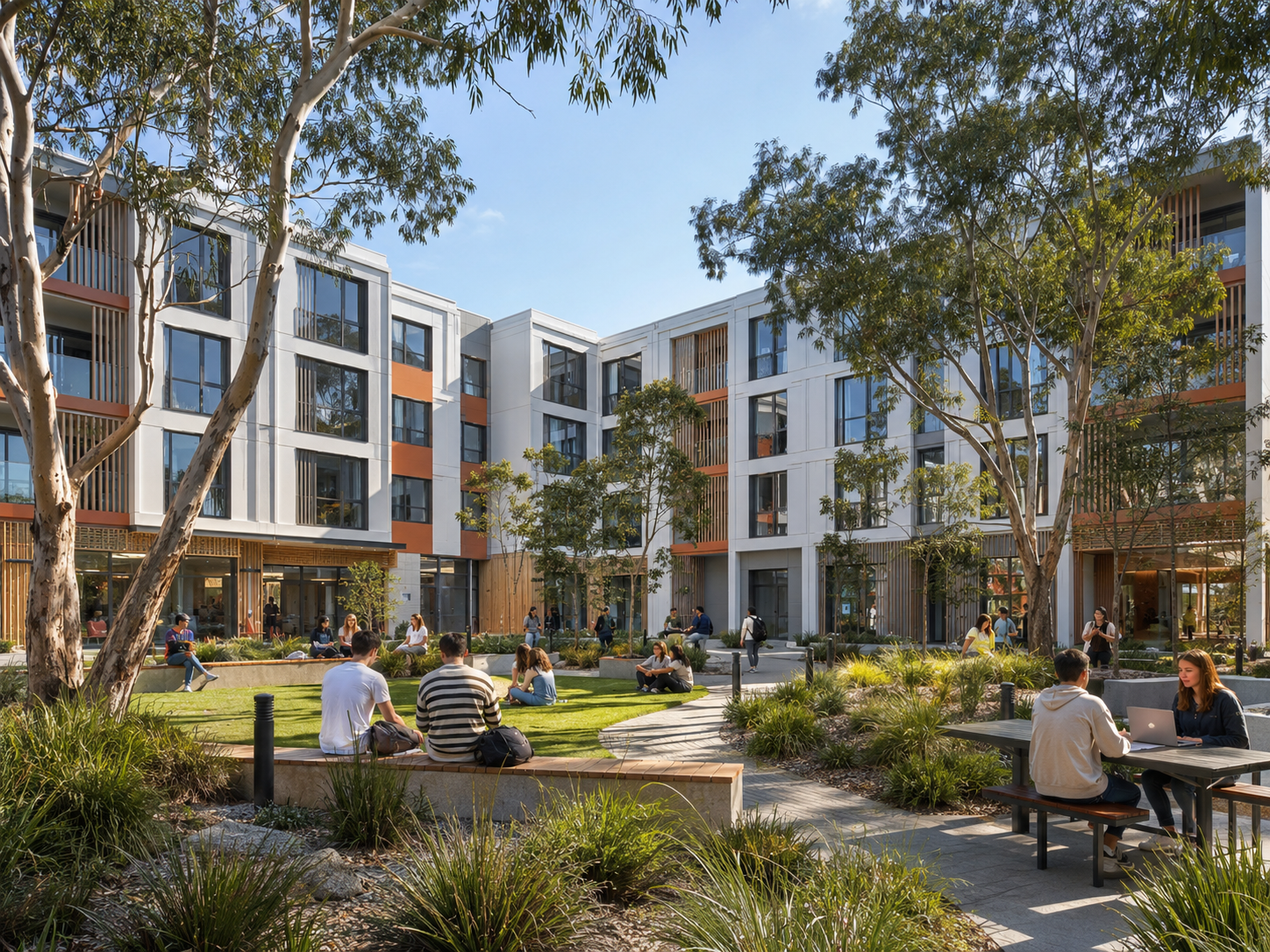
Key Factors That Affect the Final Cost
Several factors can change the final cost of modular student accommodation, even when two projects have a similar number of beds.
Room Type and Layout
The room schedule is one of the biggest cost drivers.
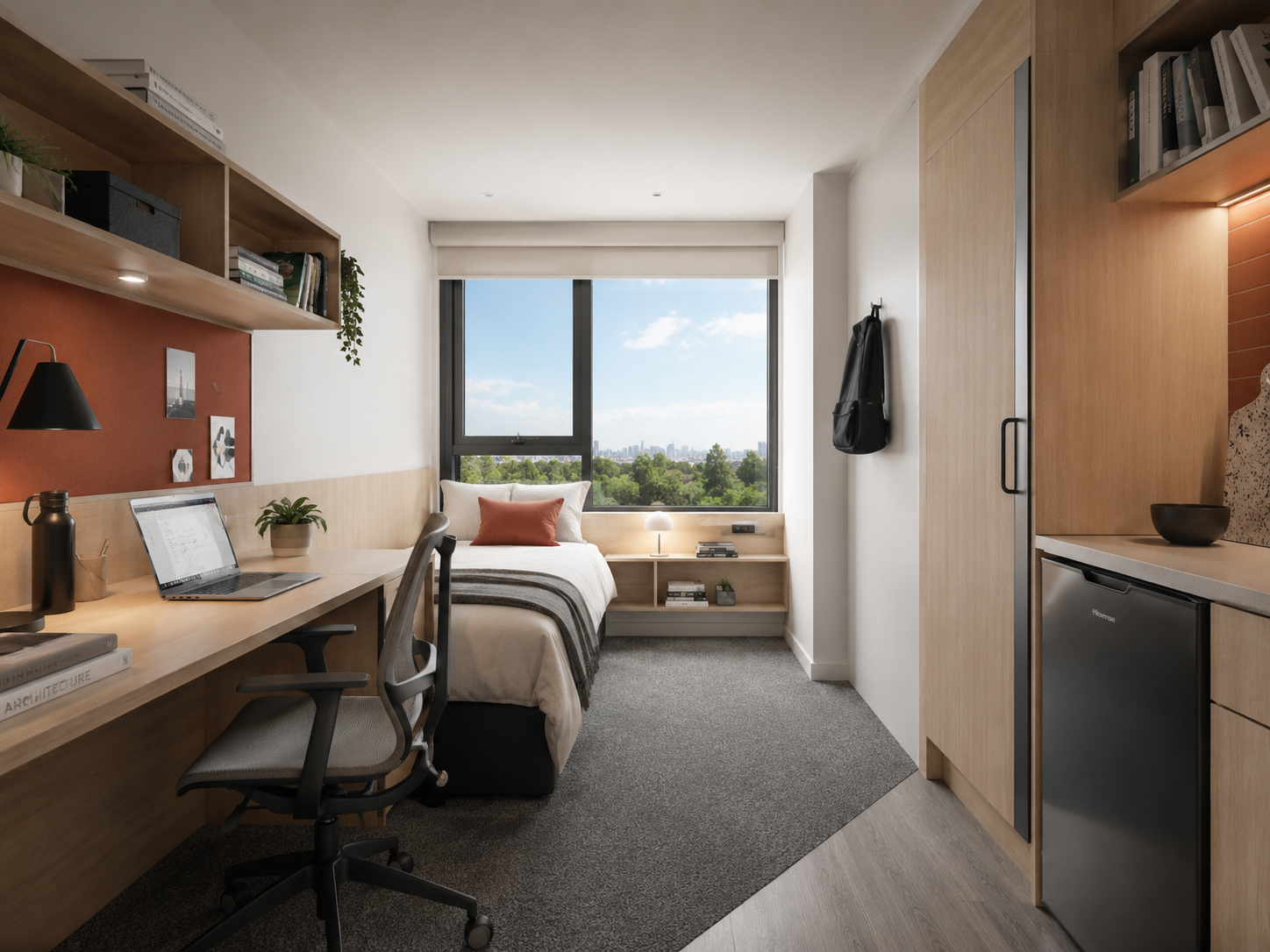
A simple single room is usually more cost-effective than a studio room with an ensuite bathroom and kitchenette. Shared apartments, common areas, laundry rooms and service spaces may also affect the final design and budget.
| Room Type | Cost Impact | Common Use |
|---|---|---|
| Single room | Lower fit-out complexity | Standard student housing |
| Twin room | Higher bed density | Budget-focused accommodation |
| Studio with ensuite | Higher bathroom and MEP cost | Premium PBSA |
| Shared apartment | More layout and services coordination | Group living |
| Common area modules | Project-specific | Study rooms, kitchens, laundry and offices |
For accurate pricing, developers should provide the target number of beds, room mix, bathroom type, furniture scope and building height.
Building Height and Structural Design
Multi-storey modular student accommodation requires careful structural review. The design should consider building height, wind conditions, site requirements, fire rating, acoustic performance and local engineering assessment.
Steel-framed modular buildings can be suitable for repeated student rooms and apartment-style accommodation, but the final cost depends on module size, structure, wall system, floor system, roof system, corrosion protection and connection details.
For coastal locations in Australia, corrosion protection may also affect material selection and cost.
MEP, Shipping and Installation
Bathrooms, kitchenettes and building services often affect the budget more than expected. Before requesting a quote, developers should clarify whether ensuite bathrooms, plumbing, electrical systems, HVAC, lighting, fixtures and furniture are included, and what work remains for the local contractor.
For overseas modular supply, logistics is also an important part of the total cost. The budget may include container loading, sea freight, insurance, port handling, customs clearance, inland transport, temporary storage and delivery to site.
Costs can change depending on project volume, shipping season, Australian port, delivery distance and transport route. Site access is also important. Developers should check whether the site has enough space for unloading, crane operation and temporary storage.
The delivered module price is not the same as the completed building cost. Local works may include foundation, utility connection, crane lifting, waterproofing, façade interface, fire systems, final MEP connection, landscaping and inspections.
NCC Review and Local Approval
For Australian projects, modular student accommodation should be reviewed according to relevant NCC requirements, project classification, structural design, fire safety, accessibility, acoustic performance and energy efficiency requirements.
A modular supplier should be able to provide technical documents for local consultants, such as architectural plans, structural drawings, material specifications, wall and roof system details, MEP drawings, fire-related documents where available, acoustic information where available, and installation guidance.
Developers should involve Australian engineers, certifiers, fire consultants and approval specialists early. This helps reduce the risk of redesign after production.
FAQ
How much does modular student accommodation cost in Australia?
As an indicative guide, many 3–7 storey modular student accommodation projects may cost around AUD 2,800–3,800 per m² for the modular building package. Simple low-rise projects may be lower, while complex or high-spec projects may reach AUD 3,800–5,000+ per m².
Is FOB price the same as the final project cost?
No. FOB price usually covers factory supply only. It does not normally include freight, port charges, inland transport, crane installation, local site works, GST, duties, consultant fees or approval costs unless clearly stated.
Can modular student accommodation be multi-storey?
Yes, multi-storey modular student accommodation may be possible depending on structural design, site conditions, building height and engineering assessment. For Australian projects, local engineers, certifiers and approval consultants should be involved early.
Conclusion
The cost of modular student accommodation in Australia depends on the full project scope, not only the factory module price. Room layout, bathrooms, MEP systems, steel structure, fire and acoustic performance, shipping, installation and local approval support can all affect the final budget.
For universities, PBSA developers and student housing investors, modular construction can be a practical option when the project has repeated layouts, clear early-stage planning and a strong need for faster delivery.
Planning a modular student accommodation project in Australia? Send GSMOD your project location, target number of beds, room schedule, preferred layout and target timeline. Our team can prepare a preliminary modular accommodation proposal for your local project team to review.