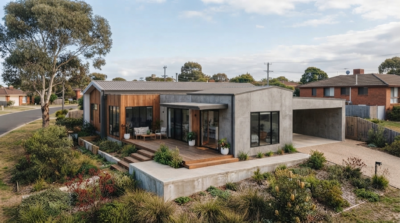


As the construction industry faces the dual challenges of rising costs and tight deadlines, modular construction is gaining traction. While both approaches offer promising results compared to traditional methods, they take fundamentally different approaches to achieving those goals. Modular houses prioritize speed, efficiency, and predictable costs thanks to precision factory construction, while traditional houses offer greater flexibility in design and materials. In this article, we’ll analyze the differences between the two approaches in terms of cost, financing, construction speed, quality, and customization to help you understand which approach offers the best long-term value.
Upfront Costs: Which One Fits Your Budget?
Traditional Houses: Comparable Base Cost but Greater Uncertainty
The cost of building a traditional house foundation can be similar to or slightly lower than that of a modular building. However, on-site construction is subject to numerous external factors, including labor availability, weather disruptions, material shortages, and logistical challenges, all of which can lead to higher-than-planned costs. These uncertainties make traditional projects less predictable, and every day of delay increases financial risk.
Modular Houses: Higher Base Cost but Lower Overall Risk
When looking purely at construction costs, modular houses are usually on par with or slightly more expensive than traditional buildings. This is because precision modular factory production, standardized materials, and transportation add to the base price. However, when considering the full project cycle, modular houses often prove more cost-efficient. By minimizing on-site labor, avoiding delays from weather or labor shortages, and ensuring faster completion, modular construction reduces unforeseen expenses and accelerates return on investment. Time saved translates directly into financial value.
The Value Perspective
Although modular houses are not inherently cheaper to build, their efficiency, predictability, and shorter timelines make them more cost-effective overall. For developers and contractors balancing budget, schedule, and risk, modular houses can deliver stronger long-term value compared to traditional methods.
Financing: Which Option Is Easier to Fund?
Modular Houses: Growing Support and Loosening Financial Constraints
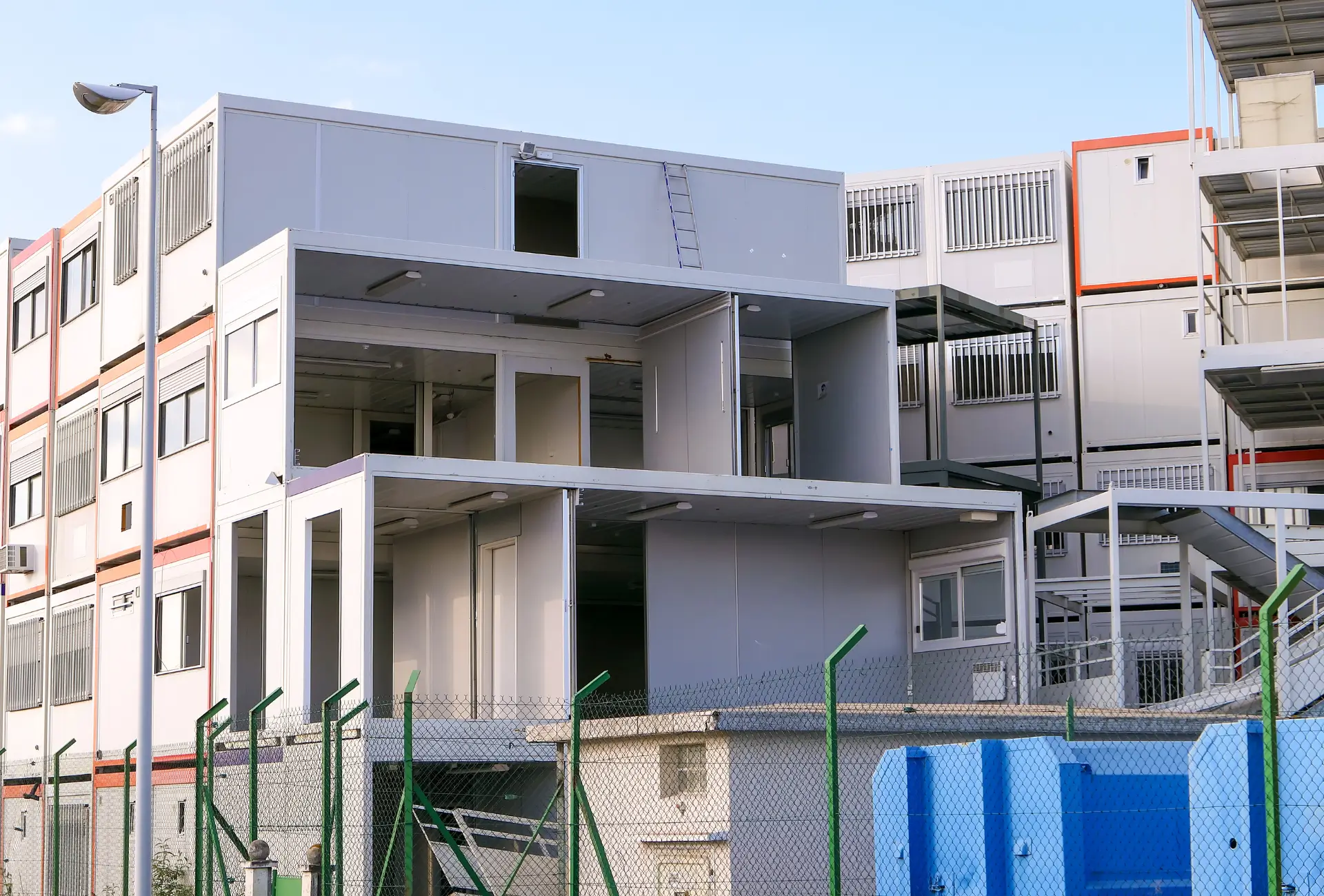
While financing for modular houses is not yet as widely available as for traditional houses, the landscape is changing quickly. Governments and financial institutions are beginning to recognize modular construction as a mainstream solution, leading to more supportive policies and funding programs.
- Market growth projections show strong momentum. According to Grand View Research, the global modular construction market was valued at USD 103.55 billion in 2024 and is expected to reach USD 162.42 billion by 2030, with a CAGR of 7.9%.
- On the policy side, Canada launched a pilot loan insurance program in 2023–2024 to encourage modular construction and support financing access. Similarly, in Australia, the federal government allocated budget funding to promote prefab and modular housing while working on streamlining approval and certification processes.
As a result, modular financing is expected to become increasingly accessible—similar to how electric vehicles gradually became mainstream alongside traditional cars. By 2030, modular construction will likely be backed by broader financial support, making funding smoother and more competitive.
Traditional Houses: Still the Standard, with Established Financing
Traditional houses remain the benchmark for financing, with lenders fully familiar with this asset type. However, rising interest rates and a softer housing market are making loan terms less favorable than in the past, narrowing the gap between traditional and modular projects.
The Value Perspective
Although modular financing involves more steps today, its trajectory is clear. With growing market share, government incentives, and dedicated loan programs, modular projects are set to benefit from increasingly favorable financing terms. For developers and contractors planning long-term investments, this shift represents a significant opportunity.
Construction Speed: How Quickly Can You Move In?
Modular Houses: Fast and Efficient Construction
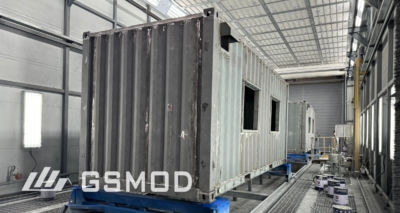
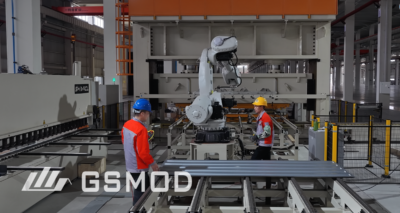
One of the most compelling advantages of modular houses is speed. Since up to 90% of the construction and assembly process is completed in the factory, the time required is significantly reduced. Most modular projects can be completed within 3 to 6 months, significantly faster than traditional timelines. The controlled factory environment also minimizes weather disruptions and labor shortages, ensuring consistent quality and predictable delivery.
Traditional Houses: Longer construction periods and higher risk of delays
Traditional houses are built entirely on-site, with construction typically spanning 9 to 18 months depending on project size, labor availability, and weather conditions. Although traditional methods allow flexibility in design, they are also more vulnerable to disruptions. Each delay—from material shortages to policy approvals—can extend project timelines and increase costs.
The Value Perspective
For developers prioritizing speed to market and predictable delivery, modular houses offer a clear advantage. This is especially valuable in large-scale projects such as hotels, hospitals, schools, or multi-family housing, where faster completion directly translates into quicker occupancy, earlier revenue generation, and reduced financial risk. Traditional construction may suit projects requiring extensive one-off customization, but modular construction delivers both rapid completion and scalable adaptability.

Quality and Durability: Which House Will Last Longer?
Modular Houses: Consistent Quality Control
The quality of modular houses is often as good as expected due to the factory-controlled manufacturing process. Every unit is built under strict quality control standards, ensuring that materials and construction methods are consistent and meet local building codes. As a result, modular houses are just as durable and long-lasting as traditional houses when properly maintained.
Traditional Houses: Durability Depends on Site Conditions
Traditional houses offer similar durability when built with quality materials and proper techniques. However, the quality of construction can vary depending on the contractors and the building conditions at the site. Traditional houses may face more challenges from weather conditions and labor issues, potentially affecting their overall durability if not managed properly.
Both options can last for 50+ years if well-maintained, but modular houses may have an edge in terms of consistent quality and fewer variations in construction quality.
Customization: Which House Offers More Design Flexibility?
Modular Houses: Limited but Growing Customization
What distinguishes modular construction is its ability to deliver project-based customization at scale. Importantly, modular construction is not limited to a “one-size-fits-all” approach. Layouts, finishes, and system integrations can be adapted to meet specific project requirements, allowing developers to achieve both rapid delivery and the flexibility needed for complex developments. For example, hospitals may require specialized ventilation and disinfection systems, which can be integrated into modular designs to meet strict healthcare standards.
Traditional Houses: Better Suited for Unique and Specialized Designs
Traditional construction can accommodate unique, one-off building designs, especially for smaller or highly specialized projects. However, this flexibility often comes at the cost of longer construction times, higher labor dependency, and less predictable costs. For large-scale developments where speed, risk control, and cost certainty are crucial, these shortcomings make traditional methods less cost-effective than modular construction.
For large, time-sensitive projects like hotels, hospitals, schools, or multi-family residences, modular construction offers significant advantages in cost predictability, faster construction schedules, and scalable customization to meet specific project needs. While traditional construction may still be suitable for highly specialized or individual designs, modular housing offers a more practical and competitive solution for most developments focused on efficiency, risk management, and return on investment.
Frequently Asked Questions (FAQs)
Q1: Do Modular Houses Meet the Same Building Codes as Traditional Houses?
Yes. Modular houses are required to meet the same local building codes and regulations as traditional houses. In many cases, factory-controlled production ensures compliance is more consistent and verifiable.
Q2: How Do Modular Buildings Perform Environmentally?
Modular construction reduces on-site waste and improves efficiency through factory production. Materials can often be disassembled and recycled, while standardized processes make it easier to integrate energy-efficient systems and meet green building targets.
Q3: How Does Modular Construction Impact ROI?
By reducing project timelines, minimizing delays, and lowering risk exposure, modular construction accelerates revenue generation and improves overall return on investment.
Q4: How Long Does It Take to Build a Modular House?
Modular houses are typically completed in 3-6 months, while traditional houses can take 9-18 months to build. For example, modular hotels are built much faster than traditional hotels.
Conclusion
Both modular and traditional construction approaches offer clear advantages depending on project goals. Traditional methods provide design flexibility but often involve longer timelines and higher uncertainty. Modular construction delivers greater cost predictability, faster completion, and scalable customization, making it especially effective for large, time-sensitive developments such as hotels, hospitals, schools, and multi-family housing. For projects where efficiency, risk management, and return on investment are priorities, modular construction is emerging as the more competitive solution.