

For schools, universities, contractors and public-sector education projects in Europe, one of the first questions is usually simple: how much does a steel modular classroom cost?
As a broad planning reference, a permanent steel modular classroom in Europe may require a budget of around €2,800–€5,100+ per square metre, depending on the country, building size, specification level, delivery scope, site conditions and local compliance requirements.
This is not a fixed product price. It should be used as an indicative planning range only. Final costs can vary depending on whether design, engineering, manufacturing, interior fit-out, transport, crane lifting, installation, foundations, utility connections, approvals and VAT are included.
A modular classroom is not just a standard unit bought from a catalogue. For long-term education use, it should be planned as a complete building project. Fire safety, insulation, ventilation, acoustic comfort, accessibility, MEP systems and long-term maintenance all need to be considered from the beginning.
Typical Steel Modular Classroom Cost Range in Europe
| Project Type | Indicative Planning Range | Typical Use |
|---|---|---|
| Basic modular classroom unit | From around €2,800/㎡ | Short-term space pressure or lower-spec projects |
| Permanent steel modular classroom | €2,800–€5,100+/㎡ | Long-term school, university or training facility use |
| Multi-room modular school building | Project-based quotation | Classrooms, corridors, toilets, offices and technical areas |
The price may increase when the project requires higher specification, larger floor area, complex layout, advanced MEP systems, difficult site access, crane lifting or local approval support.
A cheaper square-metre price may not be cheaper in reality if key items are excluded from the quotation. Schools, contractors and procurement teams should compare the complete project scope, not just the headline price.
Why European Schools Are Considering Modular Classrooms
Across Europe, schools, universities and training centres are under pressure to provide more learning space within tighter timelines. Some need additional classrooms because student numbers are growing. Others need space while older buildings are repaired, or permanent new facilities without a long and disruptive construction programme on a live campus.
For an education project, construction affects more than the building itself. It can influence teaching, student movement, campus safety, noise, access and long-term facility management.
Traditional construction can still be suitable for many projects. However, it often requires a longer on-site programme, more trades working around the school, more weather exposure and more disruption to daily operations.
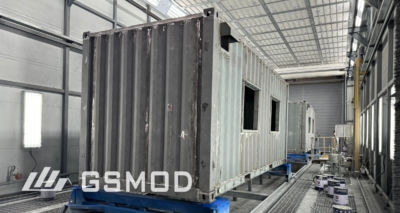
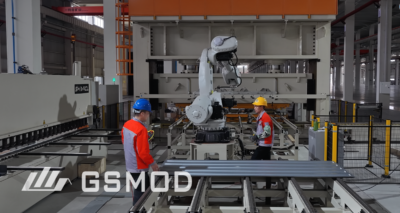
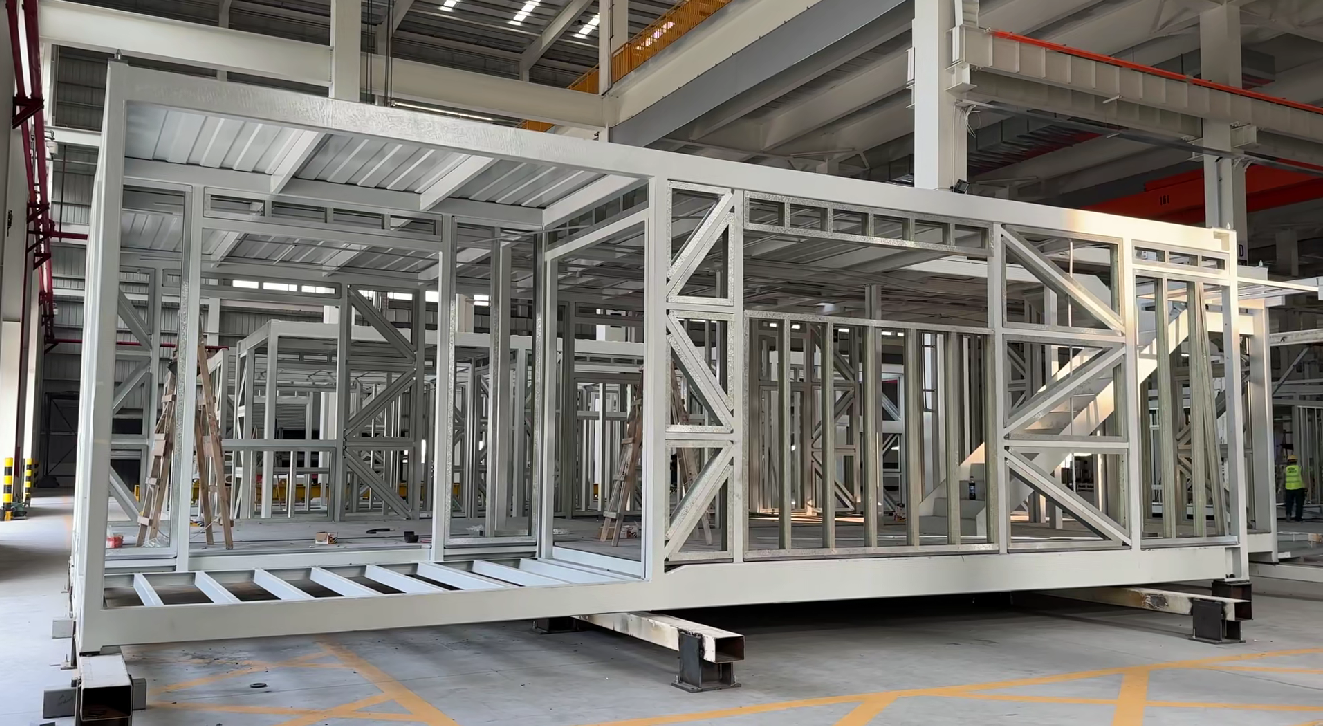
Modular construction works differently. With a steel modular building, much of the work can be completed in a controlled factory environment. While foundations and site preparation are being organised, the main building modules can be manufactured, fitted out and quality checked off site. Once delivered, the modules can be lifted into position and connected more efficiently.
For schools and universities, this can help reduce the length of on-site activity and make the project easier to plan around term dates, holidays or academic deadlines.
What Affects the Cost of a Steel Modular Classroom?
The cost of a steel modular classroom depends on more than building size.
A single classroom unit is usually easier to design, manufacture and install. A larger modular school building with multiple classrooms, toilets, corridors, staff rooms, storage areas or plant rooms will require more engineering, more modules and more coordination.
Specification level is another major cost factor. A basic temporary classroom and a permanent modular building are not the same solution. Temporary units may be suitable for short-term use, but many European education projects require buildings that can serve as long-term assets.
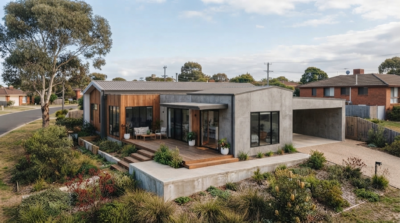
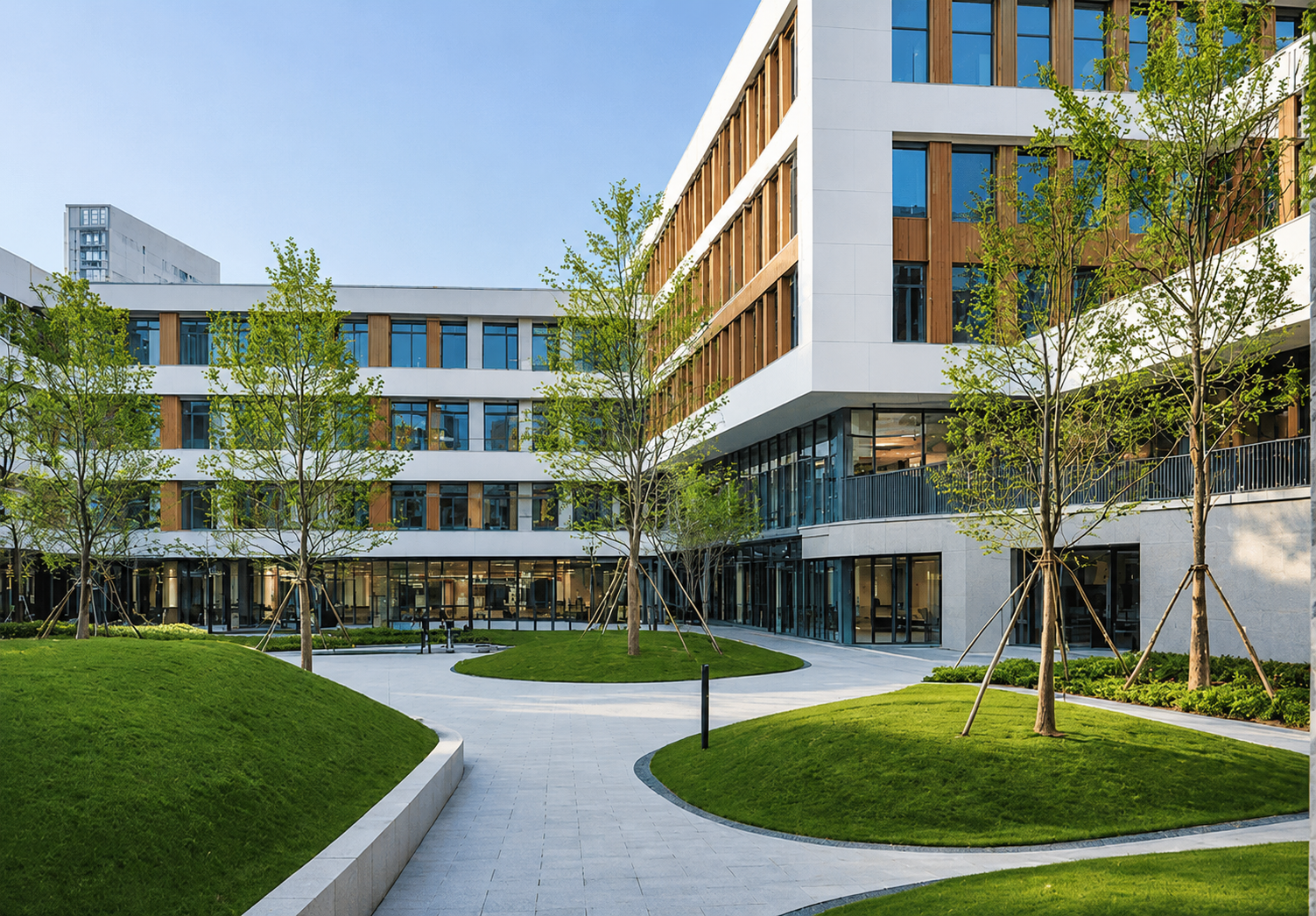
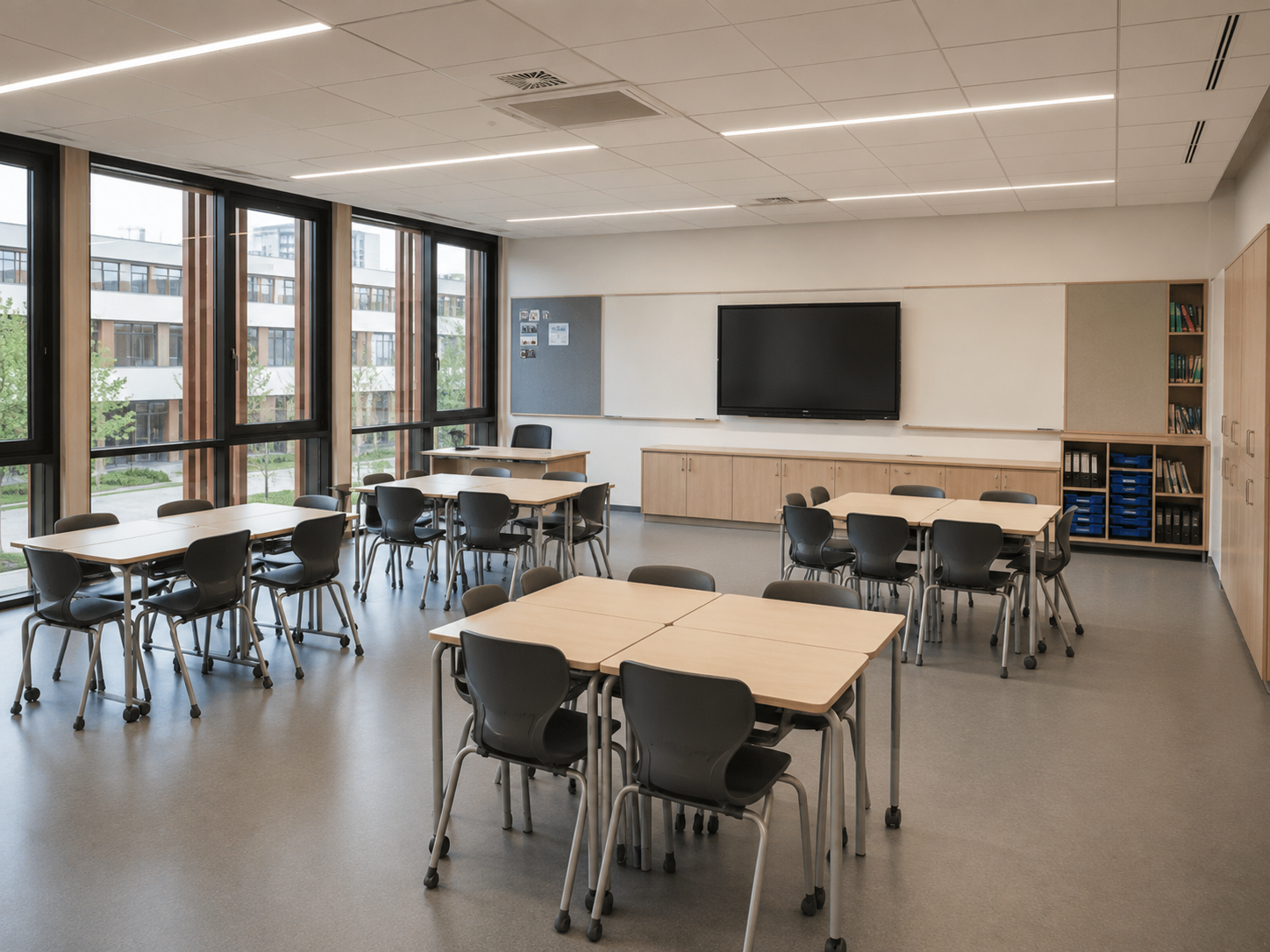
A permanent steel modular classroom should feel like a real school building, not a temporary cabin. It should consider structural durability, fire safety, energy performance, indoor air quality, ventilation, acoustic control, natural light, accessibility and long-term maintenance.
Interior requirements can also change the price. A standard classroom may need insulation, lighting, heating, power, data points, durable flooring and wall finishes. A science room, SEND classroom, nursery space, training centre or multi-purpose education building may require a higher level of fit-out and more detailed technical planning.
Local regulations also play an important role. Europe is not one single construction market. Projects in Germany, France, the Netherlands, Ireland, Scandinavia, the UK or Southern Europe may face different requirements for structural design, fire safety, energy efficiency, ventilation, acoustic performance, accessibility and approval documentation.
Site conditions should also be reviewed early. A flat site with good access and enough crane space will usually be more straightforward. A dense urban campus, narrow delivery route, restricted lifting area, sloped site or active education environment may require more planning and higher installation costs.
Steel Modular Classroom vs Traditional Construction
The value of modular construction is not only about the headline price. For many European education projects, the stronger value is programme control, reduced disruption and better delivery certainty.
| Factor | Steel Modular Classroom | Traditional Construction |
|---|---|---|
| On-site disruption | Shorter installation period and less daily site activity | Longer period of noise, traffic and site works |
| Programme control | Factory production and site preparation can run in parallel | More affected by weather, labour and trade sequencing |
| Quality control | Modules are produced in a controlled factory environment | Quality can be more affected by site conditions |
| Campus impact | Easier to plan around students, staff and daily operations | Higher disruption during main construction |
| Long-term use | Can be designed as a permanent modular building | Conventional permanent building method |
For schools, contractors and public-sector buyers, the decision should not be based only on whether modular construction is cheaper. The stronger benefit is reducing uncertainty, shortening the on-site programme and controlling delivery more effectively.
A well-designed Steel Modular Building can help education projects create usable space faster while still supporting long-term comfort, safety and performance.
What Should Be Included in a Modular Classroom Quote?
A professional quotation should clearly explain what is included and what is excluded, because the difference between a low product price and a complete project cost can be significant.
A proper quotation should make clear whether the scope includes design and engineering, steel structure, module manufacturing, insulation, windows, doors, internal finishes, MEP systems, lighting, heating, ventilation, transport, crane lifting, installation, compliance documentation and handover support.
It should also state whether foundations, utility connections, drainage, local approval fees, VAT, site preparation, access roads and local civil works are included or priced separately.
In simple terms: do not only ask “How much per square metre?” Ask “What exactly is included in the project price?”
Why Choose GSMOD for Steel Modular Classrooms?
GSMOD focuses on permanent steel modular building solutions for education, residential, commercial and accommodation projects.
For classroom and school building projects, this means the building is planned as a long-term education facility rather than a temporary structure. With steel modular construction, factory-controlled production and flexible layout design, GSMOD supports projects that require better quality control, faster installation and stronger long-term performance.
For European education projects, GSMOD can support clients from early concept planning to factory production, delivery and installation coordination. Whether the requirement is a single classroom, training facility or larger modular school project, the goal is to help clients reduce uncertainty and deliver education space with greater confidence.
FAQ: Steel Modular Classroom Costs in Europe
How much does a steel modular classroom cost in Europe?
As an indicative planning range, a permanent steel modular classroom in Europe may cost around €2,800–€5,100+ per square metre. The final price depends on the country, building size, specification, delivery scope, transport, installation, foundations, site conditions and local compliance requirements.
Is a modular classroom cheaper than traditional construction?
Not always on a simple square-metre basis. However, modular construction can reduce on-site construction time, campus disruption, weather-related delays and programme risk. For schools and public-sector buyers, this can improve overall project value.
Can modular classrooms be used as permanent school buildings?
Yes. When designed with the right steel structure, insulation, ventilation, fire safety, accessibility and compliance planning, modular classrooms can be used as permanent education buildings.
Conclusion: Plan the Cost Around the Whole Project
The cost of a steel modular classroom in Europe depends on the complete project scope, not only the building size.
For schools, universities, contractors and public-sector buyers, the goal should not be to find the cheapest classroom unit. The better goal is to choose a building solution that can reduce project risk, support long-term use and provide a safer, more comfortable learning environment with less disruption.
Planning a modular classroom, training facility or school building project in Europe?
Contact GSMOD to request a project-based quotation and discuss design, production, delivery and installation options for your modular classroom project.