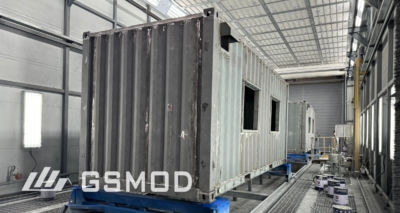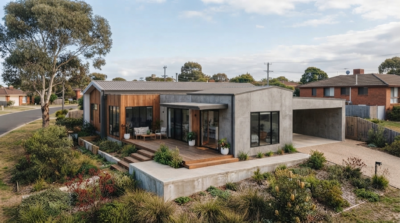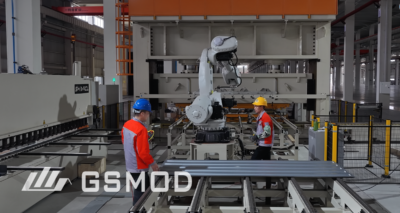


With the growing demand for quicker, more affordable, and sustainable housing solutions, prefabricated buildings (or prefab homes) are becoming a popular choice. Prefab homes offer a unique approach to conventional building techniques, applicable to homeowners, developers, and investors alike. The ten main advantages of prefab construction will be discussed in this post, along with the reasons why it might be the best option for you.
1. Speed of Construction: Get Your Home Faster
Greater Speed Compared to Conventional Techniques
Depending on unforeseen delays and the project’s complexity, traditional construction can take months or even longer. This lengthy timeline is a big annoyance for many people.
The good news is that building a prefabricated home takes half as long as building a traditional one. Prefab homes can be finished in as fast as one and a half months because of off-site assembly and concurrent on-site work. This suggests that moving into your new home won’t take long.
For instance, a prefabricated home is most likely your best bet if you intend to move in soon. For instance, because the majority of the construction is done off-site, a 100-square-meter house made up of two modules can usually be put together and installed in as quick as one week. This implies that you can move into your new house considerably more quickly and avoid protracted on-site construction delays.
2. Cost-Effectiveness: Save Money in the Long Run
Reduced Labor and Material Costs
Traditional home construction can be costly, especially when labor, materials, and potential delays are factored in. Prefabricated construction offers significant cost savings because it takes less time to complete and requires less labor overall.
According to project data, modular integrated construction can reduce on-site labor by more than 70% and overall labor by more than 20% when compared to traditional construction. Overall project risks are greatly reduced by shorter construction times, which also lead to lower management and loan interest expenses. As a result, project profits before opening can account for about 15% of the total investment.
For instance, prefab construction can cut timelines by over 300 days and labor costs by up to 70% on-site when compared to traditional builds, enabling you to complete your project faster and with less labor.
3. Better Consistency in Quality Control
Factory-Controlled Environment for Better Precision
Traditional construction can occasionally have quality problems because of bad weather, irregular labor, or mistakes made during construction.
Prefab homes are built entirely in a controlled factory environment. This implies improved quality control and consistency across the board.
Example: You don’t have to worry about weather delays or subpar craftsmanship because your prefab home is built to high standards.
4. Improved Safety: Reduced On-Site Hazards
Worker Safety in the Construction Process
Whether due to inclement weather, unstable conditions, or the intricacy of the project, traditional construction sites frequently present serious safety risks.
Prefab homes are safer for everyone because the majority of the construction is done in a controlled factory, reducing risks on the job site.
For instance, prefab homes contribute to a safer construction process by lowering the number of workers required on-site.
5. Sustainability: Building Green
Eco-Friendly Construction with Less Waste
One of the sectors that uses the most resources is construction, which produces a lot of waste and carbon emissions. However, by incorporating modular assembly technologies to cut waste at its source, prefabricated construction provides a far more environmentally friendly option.
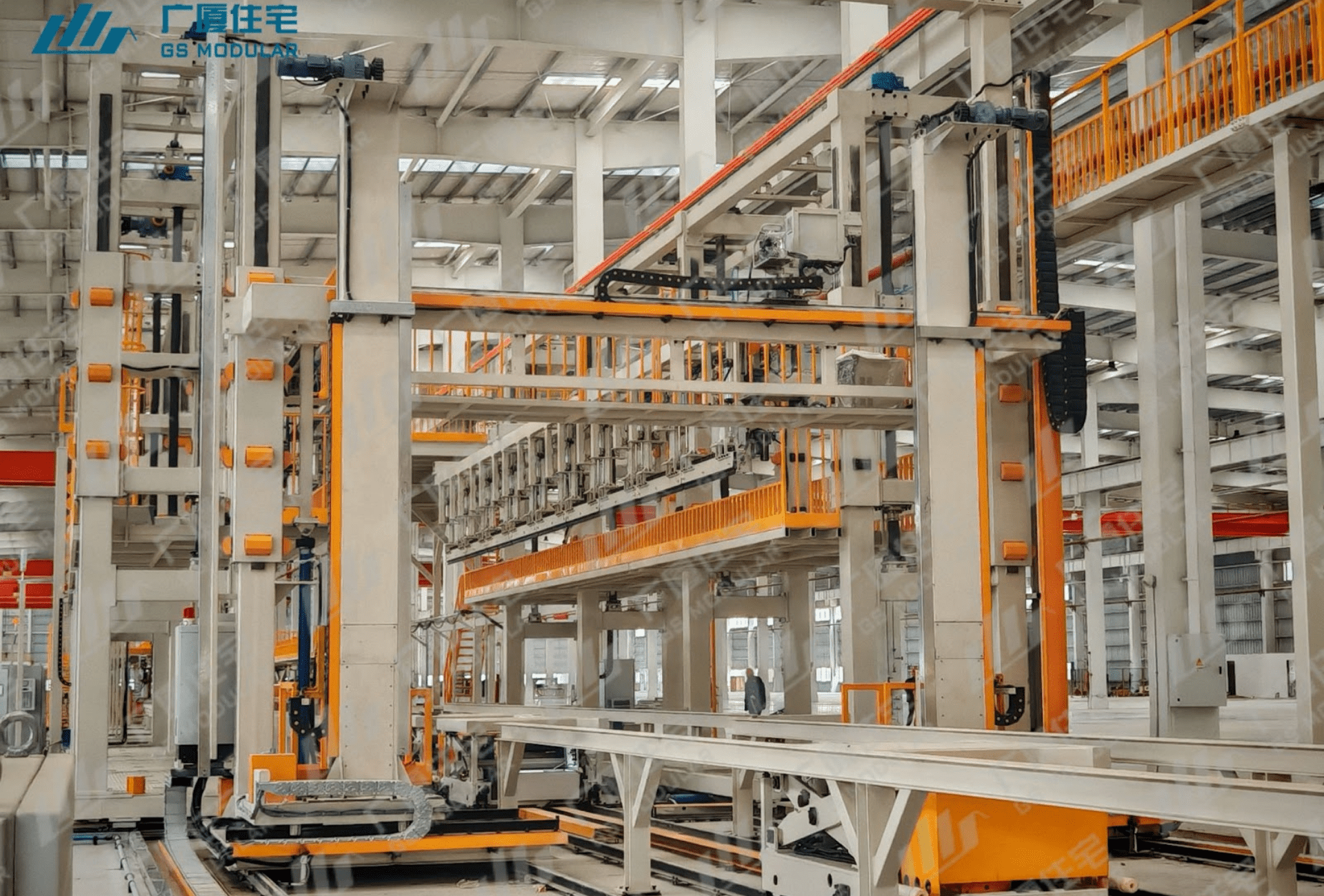
Prefab homes significantly increase production efficiency and decrease material waste through precise material control and automation, such as robotic welding, automated material opening, and automated coding in factory production. Compared to conventional construction projects, this clever, environmentally friendly manufacturing method reduces overall construction waste by more than 75%.
Furthermore, compared to traditional methods, prefab construction achieves a much lower total emissions level of about 149 tons per 10,000 square meters. By reducing carbon emissions by 50% and meeting waste emission targets ahead of schedule, this reduction enables projects to surpass national green construction standards by achieving a 25% reduction three years earlier than traditional unfinished prefabricated buildings.
For instance, choosing prefabricated homes is a truly sustainable housing option that supports global carbon neutrality goals because it significantly reduces construction waste and carbon emissions in addition to lowering energy consumption with features like solar panels and advanced insulation.
6. Customization & Design Flexibility: Create the Home of Your Dreams
Different Styles to Meet Your Requirements
Prefab homes are perceived by some as being uninspired or lacking in design options. That is just untrue! Numerous styles are available for prefabricated homes, which can be tailored to your individual requirements and preferences. Prefab homes provide countless options, regardless of your preference for a more traditional or modern, minimalist style.
For instance, a lot of prefab manufacturers provide custom design choices, so you can select the architectural styles, finishes, and layouts that best suit your needs.
7. Reduced Site Disturbance: Minimal Environmental Disruption
Reduced Construction Activity on-Site
Particularly in residential areas, traditional construction can be noisy, untidy, and disruptive. Prefab homes are a fantastic alternative if you wish to stay away from that.
Since most of the work happens off-site in a factory, there’s minimal on-site construction activity. This leads to less disruption to your property and the surrounding neighborhood.
Example: For homeowners in more residential or quiet areas, a prefab home offers a quieter, faster solution with minimal disruption to your neighborhood.
8. Labor Efficiency & Mitigation of Shortages: Solve the Labor Crisis
Easier to Manage Labor Needs
It can be difficult to find the right team to build your home because of the construction industry’s growing scarcity of skilled workers.
Because the majority of the work is done off-site, prefab homes require less labor on-site. This implies shorter timelines and fewer difficulties in locating contractors.
Example: It is frequently possible to finish a project that would normally require 10–12 workers with fewer workers, which results in shorter turnaround times and fewer labor shortages.
9. Low Maintenance: Long-lasting construction
Sturdy Materials for Extended Use
Maintenance is another issue with traditional homes; over time, weathering, cracking, and repairs can accumulate. Prefabricated homes are constructed from premium materials that are weatherproof.
Over time, this translates into lower maintenance expenses and less wear and tear.
For instance, compared to traditional homes, prefabricated homes are intended to be much less maintenance-intensive, long-lasting, and weather-resistant.
10. Scalability and Growth: Prepare for the Future
Easily Expandable to Meet Your Growing Needs
One of the most significant advantages of prefabricated homes is their flexibility. Your own house can eventually be modified to meet your conversion requirements.
Since many prefab homes are designed to be modular, you may add more rooms, floors, or technology as your family or business expands.
Because prefab homes can easily accommodate future needs, such as adding a room or expanding your living space, they are an exceptional long-term investment.
Frequently Asked Questions Concerning Prefabricated Structures
Can Prefabricated Homes Be Customized?
Yes! Numerous design, finish, and layout customization options are available for contemporary prefab homes. A lot of manufacturers let you customize your prefabricated house to fit your needs.
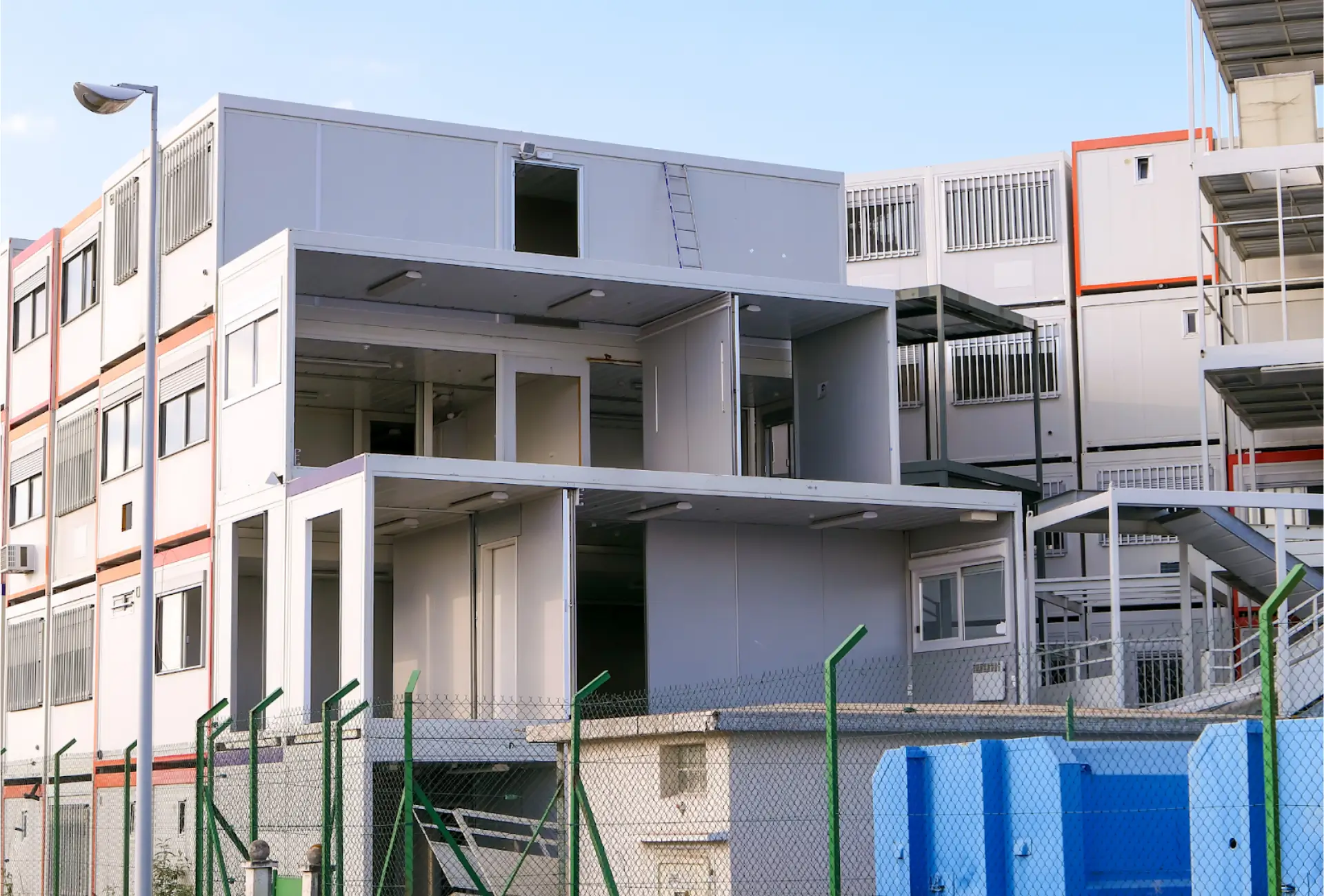
Do Prefabricated Houses Last a Long Time?
True! Prefabricated homes are made to be sturdy and long-lasting, frequently surpassing local building codes. High-quality materials are used in their construction, and their long-term resilience is tested.
Are prefabricated houses good for the environment?
Of course! Prefabricated buildings are a sustainable housing option because they use fewer materials, produce less waste, and can integrate green technologies like solar panels and high-efficiency insulation.
Conclusion: The Significance of Prefabricated Structures for the Future of Housing
As housing needs evolve, prefabricated buildings offer a faster, more affordable, and eco-friendly alternative to traditional building methods. Prefab homes are increasingly the go-to choice for smart, sustainable living because of their long-term value and ability to reduce construction.
Prefabricated homes provide an effective and adaptable solution, regardless of your needs—affordable housing, a space that can be customized, or a sustainable choice.
Are you prepared to investigate your prefab home options? Contact us today to start your journey toward a faster, smarter, and more sustainable home.