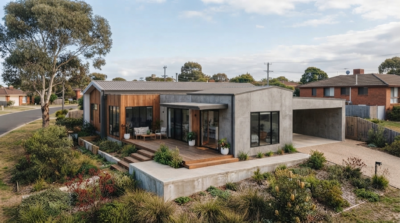


Modular homes offer a compelling alternative to traditional housing, combining faster construction times, cost savings, high energy efficiency, and eco-friendly benefits. These advantages make modular homes attractive to many buyers. However, it is also essential to consider some potential downsides, including certain design limitations, varying resale values, transportation costs, and local zoning restrictions.
This article outlines the primary advantages and disadvantages of modular homes. It helps you consider these factors and decide if a prefab home suits your lifestyle and budget.
Why Consider a Prefab Home? The Benefits
Faster Construction Means You Can Move in Sooner
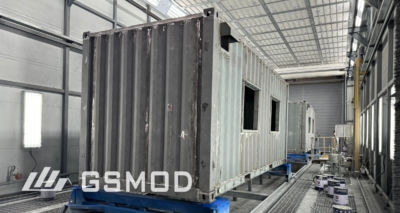
Modular homes are built mainly in a factory, which means on-site assembly is quick. Compared to traditional homes, which can take months or years to complete, modular homes often finish in weeks, allowing you to settle into your new place much faster.
The total cost of modular homes can be similar to that of traditional houses. However, you can save a lot on labor costs.
Modular homes also take less time to build from start to finish. This innovative use of time and workers often leads to lower costs. It does not hurt build quality or safety.
Modular homes are built in controlled environments. This means materials are used more efficiently. This helps keep costs down while providing a safe, well-built home.
Energy Efficient and Cost-Effective to Run
Modular homes feature tight construction that minimizes heat loss and drafts, similar to many traditional buildings. Modular homes stand out because they can be customized for local environments and climates. This includes special conditions like coastal areas or places with limited electricity.
For example, they can have special insulation systems or renewable energy options like solar panels. This ensures a comfortable living experience that fits the location well.
Less Waste, More Eco-Friendly
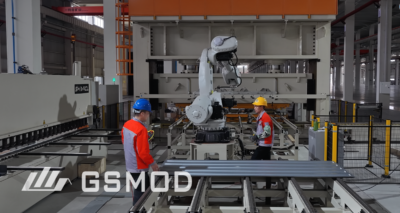
Factory construction accounts for approximately 90% of the building process. It benefits from organized and scientific management methods. These include 6S management and careful control of raw materials and inventory.
This organized method significantly reduces material waste compared to traditional building methods. This makes modular homes a more efficient and eco-friendly choice.
Consistent High Quality You Can Trust
Since prefab components are built under factory conditions with strict quality controls, you can expect a reliable, durable home that meets or exceeds building standards.

What You Should Know: Potential Challenges
Some Design Limits Exist
Because modular homes utilize modular parts, they have size and shape limitations compared to fully custom-built homes. If you want a unique or significant design, prefab construction can be challenging. It will test the manufacturer’s design skills. It will also test their skills in production and quality control.
Tip: Many manufacturers now offer extensive customization options within their standard models, so discuss your must-haves with your builder early on.
Resale Value Can Vary
Modular homes can sometimes be perceived differently by buyers or appraisers, which can affect their resale prices, depending on the area.
Tip: Maintaining your home well and highlighting energy efficiency can help keep its value strong.
Transport and Setup Can Add Costs
Shipping prefab modules to your property involves logistics costs that might increase overall expenses, especially in remote areas.
Tip: Choosing a builder close to your location or coordinating deliveries carefully can help reduce these fees.
Local Zoning Rules May Apply
Some neighborhoods or municipalities have restrictions on modular homes.
Tip: Check zoning laws and HOA rules early to avoid any surprises, and work closely with your builder to navigate the permitting process.
Factory prefabrication challenges
High levels of factory prefabrication accelerate production and provide environmental benefits. However, it also requires strong production and quality control ability from the manufacturer. Traditional construction methods allow workers to correct minor mistakes in one step, such as rebar placement or concrete pouring, later. In contrast, modular homes cannot easily compensate for errors beyond acceptable tolerances during factory production.

Frequently Asked Questions
Can I Customize a Prefab Home?
Yes! Many manufacturers offer customizable floor plans, finishes, and eco-friendly upgrades.
Are modular homes durable?
They meet strict building codes and factory quality controls to ensure long-lasting performance.
Is Financing Hard to Get?
Financing is becoming easier as modular homes gain popularity. Look for lenders who specialize in modular housing.
Do Modular Homes Hold Their Value?
With proper maintenance and in the right market, modular homes maintain competitive resale values.
Are There Zoning Restrictions?
Restrictions vary by location, so always check local rules early in your planning.
Final Thoughts: Is a Prefab Home Right for You?
Modular homes offer an outstanding balance of speed, affordability, and quality, making them a wise choice for many homebuyers. There are a few key considerations to keep in mind, including design limitations and financing differences. However, the many benefits often outweigh these challenges.
If you’re interested in a faster, greener, and more cost-effective way to own a home, prefab could be the perfect fit. Be sure to do your homework, ask the right questions, and collaborate with experienced professionals to bring your prefab dream home to life.