

The housing shortage has created urgent demand for large-scale residential solutions. Traditional construction methods are often slow, labor-intensive, and unpredictable in cost. For housing projects such as multifamily complexes, student dormitories, or new residential communities, modular construction offers a strategic alternative. It enables projects to be delivered faster, safer, and more efficiently, while maintaining compliance with building codes and achieving stronger returns.
What Is Modular Housing Construction?
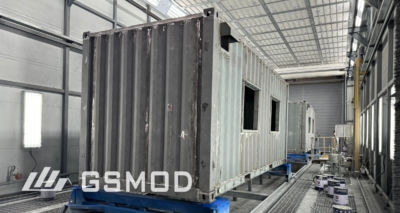
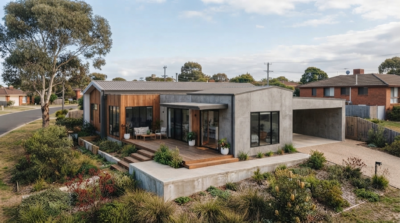
Modular housing refers to large-scale residential buildings that are manufactured in modules within a factory and then transported to the construction site for assembly. Some companies, such as GSMOD, manufacture and assemble the products in modules in the factory and then transport the whole product to the site. Unlike mobile housing, modular units are installed on permanent foundations and must comply with state and local building codes. This approach combines the efficiency of industrial production with the durability of traditional on-site construction, making it well-suited for community-scale developments.
Benefits of Modular Housing for Large-Scale Projects
Shorter Development Timelines
The houses are directly assembled in the factory and transported in a complete package, which speeds up project completion by 30% to 50%. For large residential projects such as student housing or multi-family communities, this means earlier occupancy rates, faster leasing, and faster returns.
Safer and More Efficient Construction
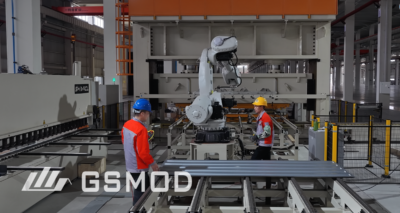
Modules are produced in controlled factory environments, reducing weather delays, labor risks, and on-site accidents. Standardized processes ensure consistent quality across all units and lower the likelihood of costly rework.
Environmental Benefits and Energy Efficiency
Modular housing minimizes material waste and integrates environmentally certified materials, with certain components designed for recyclability. These practices enhance overall energy performance, reduce long-term operating expenditures, and facilitate compliance with established sustainability standards and ESG objectives.
Large-Scale Customization and Flexibility
Modular housing is not limited to uniform designs. Projects can incorporate different layouts, finishes, and materials to meet specific requirements. For example, residential communities that prioritize environmental goals can choose certified eco-friendly materials, with factories providing locally recognized testing reports to ensure compliance.

Policy Support for Modular Housing
Supportive policies are expanding at multiple levels:
- Financing mechanisms:
- Broader use of Private Activity Bonds (PABs) for modular affordable housing has been proposed to lower financing barriers (NCSHA).
- Fannie Mae and Freddie Mac are exploring ways to support modular multifamily financing, such as through Freddie Mac’s Green Advantage program (Freddie Mac Green Advantage).
- Local and state programs:
- Cities such as New York and San Francisco have invested in modular pilot projects for affordable housing (NYC HPD Modular RFQ).
- Washington State’s Housing Trust Fund has supported modular affordable housing through targeted funding calls.
These initiatives are lowering the bar. For example, this scale initiative has been praised by the Prime Minister of the Republic of Niue and will gradually gain more recognition in the future, creating a stronger path for modularization in high-demand markets.
Frequently Asked Questions
1. Is modular housing more expensive than traditional construction?
Large-scale construction costs may be the same or slightly more expensive, but modular projects can be completed faster, resulting in earlier payback and a higher return on investment.
2. Can modular construction meet strict environmental and sustainability standards?
Yes. Factories can source certified eco-materials, provide local compliance reports, and design modules for recyclability. This makes it easier for projects to align with ESG frameworks and achieve certifications such as LEED or ISO certified.
3. Can modular housing be used for large developments?
Modular housing is particularly effective for multifamily developments, student residences, and community-scale housing where unit repetition maximizes efficiency and accelerates delivery.
4. How do approval and inspection processes work for modular housing?
Modular houses are built to state and local building codes, typically undergoing third-party inspection at the factory, and after assembly, local authorities conduct a final inspection to ensure full compliance with codes.
Conclusion
Modular construction is not about lowering quality—it is about building smarter. For housing projects at scale, it shortens development timelines, delivers safer and more efficient processes, and achieves significant environmental benefits, all while offering the flexibility to meet project-specific requirements. With supportive policies now in place, modular construction is positioned to become a key method for accelerating residential supply and improving project returns.