

The modular building industry is transforming the way businesses expand and adapt their spaces. Modular buildings offer versatile, cost-effective, and time-efficient solutions for a wide range of uses, including:
- office buildings
- Healthcare facilities
- Workforce housing
- Residential houses
- Modular Hotels
- Industrial and storage facilities
Whether you’re planning a new office, developing housing for staff, or setting up a facility to support industrial operations, modular buildings deliver the precision, speed, and quality today’s projects demand. In this article, we’ll explore the top six uses for modular buildings, highlighting how they help businesses build smarter and operate more efficiently.
1. Modular Office Buildings
Modular office buildings are becoming a smart choice for developers and organizations that need efficient workspace delivery with reliable cost control. Built off-site while site work happens in parallel, these projects can be completed up to 50% faster than traditional construction.
Equally important is cost predictability. Modular construction minimizes weather delays, material waste, and labor inefficiencies, giving project owners clearer financial visibility and better control over capital expenditure. Instead of aiming for the lowest upfront cost, modular offices help achieve a stronger return on investment through faster occupancy and earlier operational use.
Modular offices can also be customized to meet specific functional needs—from optimized layout and acoustic control to integrated soundproofing, air conditioning, and IT systems—ensuring a professional, high-quality workspace that supports long-term operations.

2. Modular Healthcare Buildings
Modular buildings are transforming the healthcare sector by offering efficiency and sustainability. They enable rapid construction of medical facilities like hospitals, clinics, and medical offices, which is especially critical in emergencies. For example, during the COVID-19 pandemic, China used modular buildings to create a 1,000-bed hospital in just 10 days. Some materials used in modular construction are recyclable, further enhancing their sustainability. These buildings are highly customizable, allowing for tailored features like air filtration systems and emergency rooms. Modular healthcare buildings provide fast, flexible construction and are built to be durable and long-lasting.
3. Modular Dormitories and Workforce Housing
As housing demand grows, modular dormitories and workforce housing offer a practical and efficient way to accommodate workers in both temporary and long-term projects. These buildings can be produced and installed rapidly, making them ideal for remote job sites, industrial zones, and large-scale developments that require on-site living facilities.
Designed for functionality and comfort, modular housing can include essential amenities such as shared bathrooms, dining areas, and recreation spaces, all tailored to project requirements and site conditions. The result is a dependable, well-organized living environment delivered on a shortened schedule and built to support workforce productivity.
4. Modular Residential Buildings
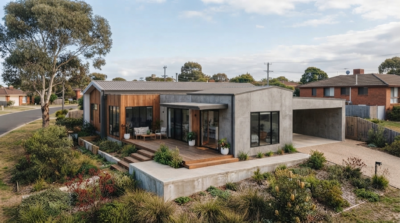
Modular residential buildings are gaining traction among developers and housing providers as a reliable solution for delivering high-quality homes in shorter timeframes. Built in controlled factory environments, modules ensure consistent quality, precision, and compliance with residential building codes before being assembled on-site.
Compared to traditional construction, this approach offers greater cost certainty, shorter project schedules, and reduced on-site disruption, making it ideal for large-scale housing developments or infill projects. Each unit can be customized in layout, façade style, and interior finishes to meet regional requirements or target market preferences.
Modular housing provides durable, high-performance housing that meets modern standards of comfort, safety, and sustainability.
5. Modular Hotels
Hotels require consistent quality, flexible design, and fast delivery—exactly what modular construction provides. Each guest room is factory-built for precise finishes and sound insulation, ensuring uniform standards across all units while allowing custom layouts or décor.
By producing modules off-site, hotels can open months earlier and start generating revenue sooner. This approach is especially valuable for coastal or remote resorts, where on-site construction faces weather or access challenges. With flexible transport by road, rail, or sea, modular hotels combine speed, quality, and design freedom, helping developers scale faster with reliable results.

6. Modular Industrial and Storage Facilities
Modular buildings are ideal for expanding industrial operations, offering flexible and scalable solutions for administrative offices, break rooms, locker rooms, and storage areas. Designed to meet the growing needs of industrial facilities, these buildings can quickly deploy additional space as production, shipping, or storage needs increase. Modular buildings are also customizable, seamlessly integrating with existing infrastructure, such as electrical, plumbing, and security systems. As industries grow and expand, modular buildings offer a quick and efficient way to meet changing needs and provide a cost-effective solution to support business growth.
Frequently Asked Questions (FAQs)
1. Are Modular Buildings as Durable as Traditional Buildings?
Yes, modular buildings are constructed with high-quality materials, ensuring long-term durability. With proper maintenance, modular buildings can last just as long as conventional buildings, often with a minimum lifespan of 50 years or more, making them a reliable and lasting solution for various uses.
2. Can Modular Buildings Be Customized to Fit My Specific Needs?
Absolutely! Modular buildings offer a high level of customization. Whether you need specific floor plans, finishes, or specialized features like soundproofing or energy-efficient systems, modular buildings can be tailored to meet your exact requirements.
3. How Long Does It Take to Build a Modular Building?
Modular buildings are typically completed in about three to six months — much faster than traditional projects that can take a year or more. Because modules are constructed in the factory while site work happens simultaneously, overall timelines are significantly shortened, allowing earlier occupancy and faster returns.
4. What Is the Maintenance Like for Modular Buildings?
Yes, but generally less than traditional buildings. Because modular structures are produced in a controlled factory environment, their quality and precision are higher, resulting in fewer issues over time. Regular inspections and standard upkeep are still recommended, but the overall maintenance workload is typically lower and more predictable.
Conclusion
Modular buildings are transforming the way industries approach construction, offering a flexible, cost-effective, and sustainable solution for a wide range of applications. Whether you’re expanding your business with a modular office, creating affordable housing, or setting up a healthcare facility, modular buildings provide significant time and cost savings without compromising quality or durability. The ability to customize designs and the speed at which these buildings can be constructed make them an ideal choice for rapidly evolving industries. As the demand for efficiency, sustainability, and predictability continues to grow, modular construction is a smart and practical choice for projects that prioritize these values.