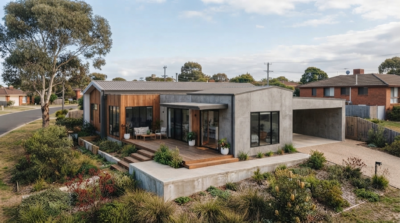


Housing needs are evolving, but traditional construction often struggles to keep up. High costs, long timelines, and environmental concerns leave many families and communities searching for alternatives. Modular construction offers a smarter solution: houses built and assembled entirely in factories, then delivered as complete units for immediate use. This approach ensures speed, efficiency, and sustainability without the typical delays of on-site construction.
In this article, you’ll learn how modular houses reduce waste, deliver faster build times, and adapt to future needs. We’ll also look at important factors to consider—like financing, resale, and durability—so you know exactly why modular construction is shaping the future of housing.
What Makes Modular Houses Different
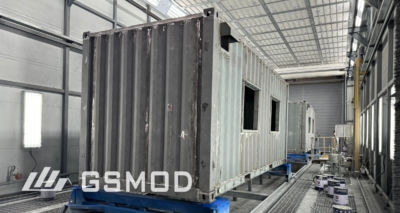
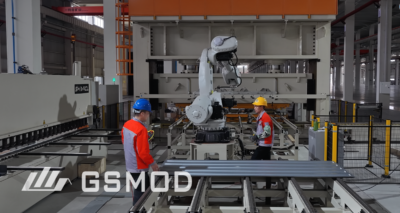
Unlike traditional builds, modular houses are completed in a controlled factory environment. The entire structure is manufactured, assembled, and quality-checked before leaving the factory. Once delivered, the house is ready to be placed on-site with minimal extra work.
This approach combines:
- Precision: Controlled conditions ensure consistent quality.
- Efficiency: Building indoors eliminates delays caused by weather and labor shortages.
- Speed: Because houses leave the factory as finished units, installation on-site takes only a fraction of the time required for conventional builds.
For example, GSMOD‘s factory-finished housing units can be shipped as complete structures and set up quickly in residential areas, offices, or new communities, ensuring immediate usability.
Key Benefits Driving Adoption
Cost Savings And Budget Control
Factory production reduces material waste, streamlines labor, and avoids costly site delays. Modular housing allows for more definitive cost confirmation compared to traditional buildings.
Sustainability And Energy Efficiency
Building in factories significantly reduces waste and allows the use of eco-friendly materials. Many modular houses also come equipped with features such as advanced insulation, energy-efficient windows, and solar-ready designs.
Flexibility And Adaptability
Modular homes can be designed to suit a variety of needs, from compact single-family homes to larger family homes or community housing. While most modular homes are typically permanent once installed, they are highly adaptable, allowing for interior layout adjustments or functional modifications based on family or usage needs. For example, you can change the function of a room or add new modules to accommodate future changes.
The Future of Modular Housing: Shaping the Housing Industry
Modular housing is set to play a transformative role in the future of housing, offering innovative solutions to current challenges:
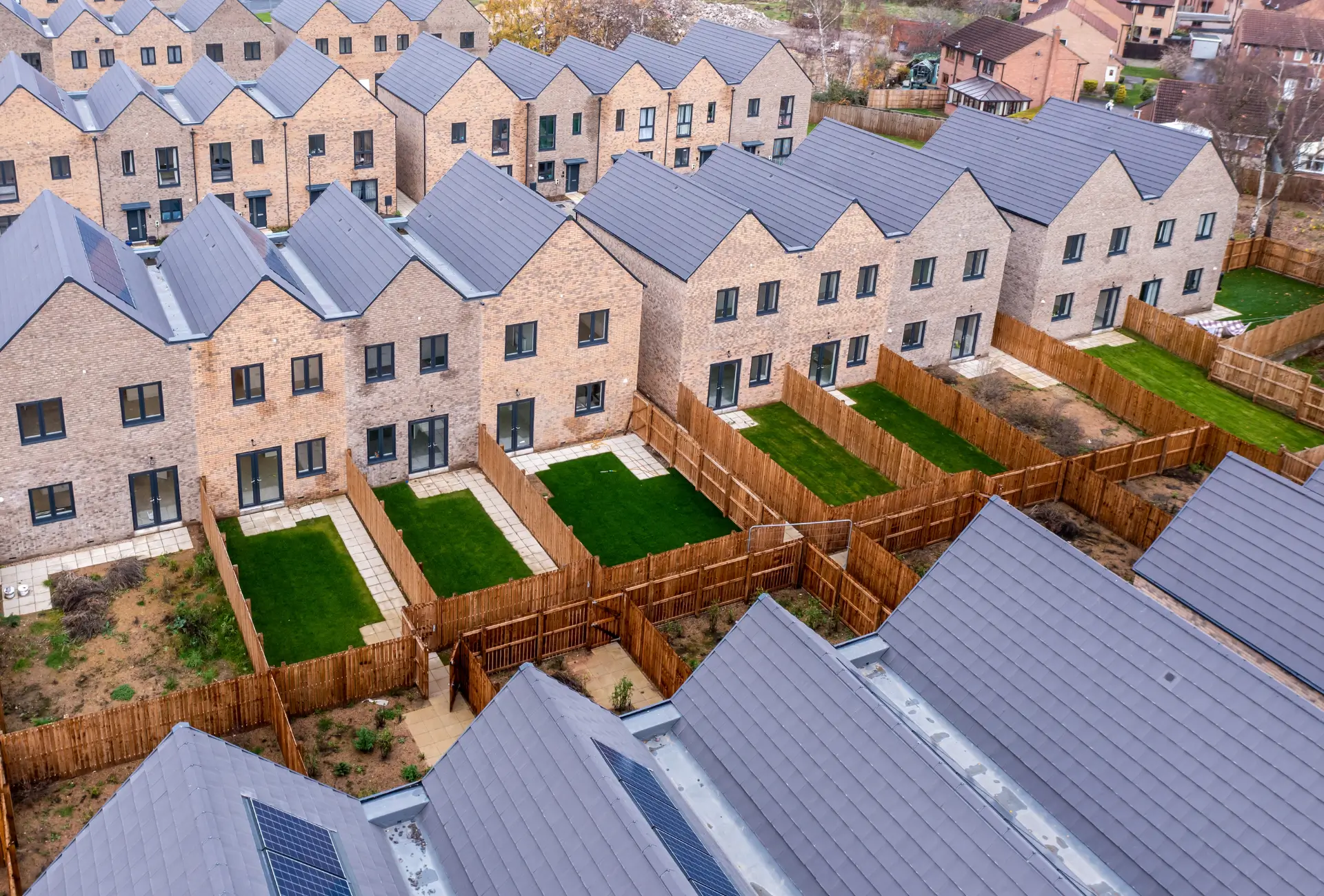
- Urban Growth and Scalability: As cities expand, modular construction offers a scalable solution for rapid urbanization. Entire neighborhoods can be built quickly, providing affordable housing that keeps pace with urban demands.
- Sustainability and Self-Sufficiency: Future modular homes will integrate renewable energy sources, such as solar panels, and energy-efficient designs, helping reduce environmental footprints and making homes more self-sufficient.
- Flexible Living Solutions: Modular homes will increasingly cater to flexible living models, where homes can be resized, relocated, or adapted as needs change, offering more versatility for both homeowners and businesses.
- Disaster Relief and Humanitarian Aid: Modular homes’ ability to be quickly assembled and deployed makes them an ideal solution for disaster relief, providing fast and safe housing to affected populations.
- Smart Homes Integration: With the rise of smart technology, modular homes will be equipped with IoT systems, allowing residents to monitor energy usage, security, and other aspects of their home for enhanced convenience and sustainability.

FAQs
Q1: How customizable are modular houses?
Large-scale buildings can be designed with different layouts, decorations, and functions to meet various needs. For example, if a hospital needs advanced ventilation systems or integrated disinfection equipment, this equipment can also be configured when it is built in the factory.
Q2: How quickly can I move into a modular house?
Most modular homes are ready in about three to six months. Factory construction and on-site work happen at the same time, so the process is much faster than traditional builds.
Q3: Are modular houses only for residential use?
No. Modular construction is also used for schools, offices, healthcare facilities, and many other types of buildings.
Q4: Will modular housing become mainstream in the future?
Certainly, as the demand for affordable and sustainable housing continues to grow, modular houses’ numerous benefits are expected to become a core component of housing solutions around the world.
Conclusion
Modular construction is redefining the way houses are built and delivered. By completing manufacturing and assembly in factories and transporting houses as finished units, this method offers affordability, sustainability, and speed that traditional construction cannot match. As technology advances and demand grows, modular housing is poised to become one of the most important solutions for the future of global housing.