

The demand for multi-family housing has never been higher, but delivering large-scale residential projects on time and within budget remains one of the industry’s greatest challenges. Rising material costs, ongoing labor shortages, and complex regulatory environments make traditional site-built methods increasingly unpredictable. For developers and investors, delays directly translate into higher holding costs and slower returns on capital.
Standardized modular housing is emerging as a strategic solution to these challenges. By shifting construction to controlled factory environments and relying on standardized components, modular methods create efficiency at every stage of development. This efficiency is particularly well-suited to multi-family housing, where scale, repetition, and financial predictability are critical.
The Efficiency Of Standardized Modular Housing
Faster Delivery Through Parallel Workflows
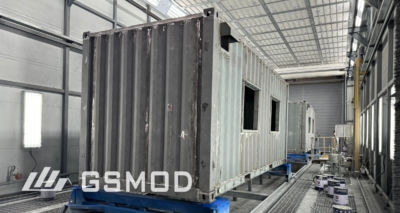
Unlike conventional projects, modular construction allows site work and factory assembly to occur simultaneously. While foundations are prepared on-site, modules are built in the factory. This parallel workflow can reduce overall timelines by 30–50%. For developers, faster delivery means quicker lease-up, earlier sales, and accelerated revenue generation.
Cost Predictability And Scale Benefits
Budget overruns are a constant concern in construction. Standardized modular units provide greater cost certainty by minimizing waste, reducing rework, and enabling bulk procurement. When applied across multiple projects, the ability to replicate standardized units—such as bathrooms, kitchens, or wall systems—creates meaningful economies of scale.
Consistency And Quality Control
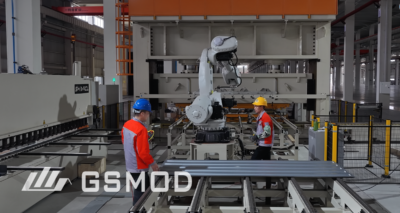
Factory production environments ensure controlled conditions and rigorous quality checks. This consistency reduces defects, limits failed inspections, and improves overall durability. For multi-family operators, fewer defects also mean lower long-term maintenance costs and higher tenant satisfaction.
Sustainability Advantages
Efficiency extends beyond budgets and timelines. Modular construction reduces construction waste, minimizes site disruption, and supports tighter, more energy-efficient building envelopes. These benefits help developers meet growing environmental, social, and governance (ESG) requirements while enhancing the long-term value of their portfolios.
Why Modular Efficiency Fits Multi-Family Projects
High Demand And Tight Schedules
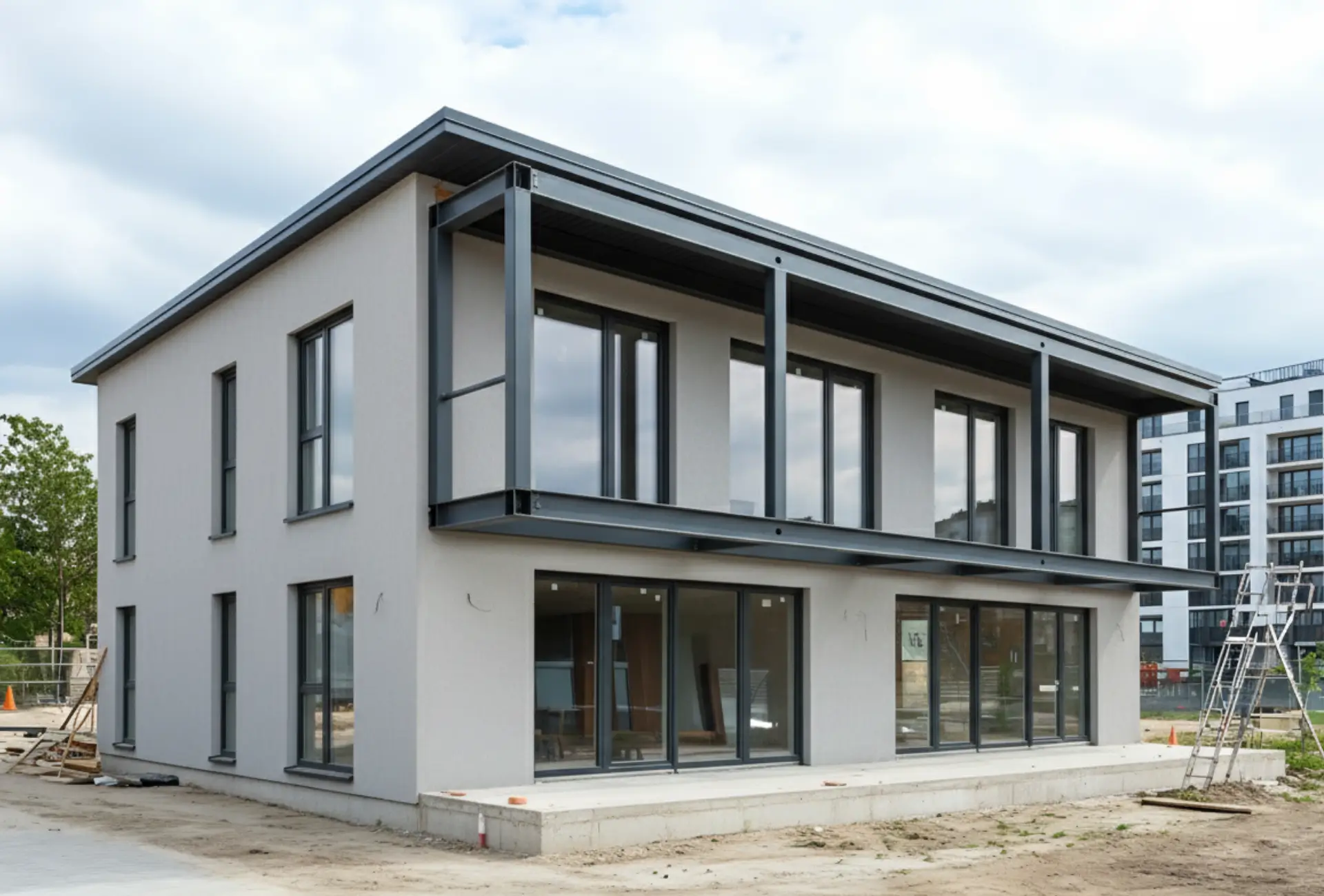
Housing shortages and urban growth have placed multi-family projects under pressure to deliver units faster than ever. Modular’s speed-to-market advantage enables developers to respond to demand more quickly and secure a stronger competitive position.
Financial And Investment Alignment
Investors and lenders increasingly prioritize predictability. Modular construction offers shorter cycles, reduced exposure to cost volatility, and stronger return forecasts. Earlier occupancy improves cash flow and internal rate of return (IRR), making modular an attractive option for capital partners.
Scalability Across Portfolios
Multi-family projects often involve replicating similar unit types across large developments or multiple sites. Modular’s standardized approach is ideal for this scale. By replicating pods or unit designs, developers can streamline procurement, simplify project management, and replicate success across regions.
Tenant And Market Expectations
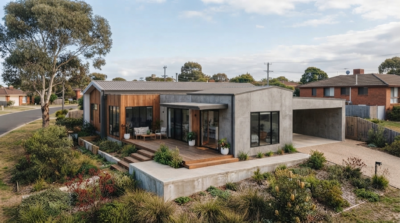
Today’s tenants expect energy efficiency, consistent quality, and modern design. Modular projects can deliver these attributes reliably while still offering flexibility in finishes, layouts, and amenities. For developers competing in high-demand rental markets, modular ensures both efficiency and market appeal.
The Case for Standardization
This efficient modular strategy has been gradually proven by various companies. A prime example is GSMOD, which applies these principles to large-scale accommodation projects. For instance, in a project for a Holiday Inn in the United Kingdom, GSMOD simultaneously manufactured over 220 fully-equipped and finished hotel room modules in its factory in China while foundation and core construction proceeded concurrently on-site. This parallel workflow allowed the hundreds of modules to be craned into place and assembled in just a few weeks, drastically shortening an on-site construction phase that would traditionally take many months. For the community, this means new housing and amenities become available much sooner, built to a consistently high standard.

FAQs
1. Can modular projects be customized for different markets?
Yes. While the core structure is standardized for efficiency, developers can adapt layouts, façades, and finishes to meet market and tenant expectations.
2 . How does modular construction support sustainability?
It reduces material waste, lowers carbon emissions from construction activity, and creates tighter, more energy-efficient buildings that help lower operating costs.
3. Do tenants notice a difference living in modular apartments?
In most cases, no. Modular apartments meet the same durability, comfort, and energy performance standards as site-built housing, and often deliver more consistent quality.
4. Do modular multi-family projects comply with building codes?
Yes. Modular buildings must meet the same codes and standards as traditional projects, and they undergo inspections both in the factory and on-site.
Conclusion
Standardized modular housing is increasingly recognized as more than a construction method—it is a strategic response to the challenges of modern multi-family development. By combining faster delivery, cost predictability, consistent quality, and sustainability, it aligns closely with the needs of large-scale residential projects.
Applied effectively, modular construction reduces risk, shortens delivery timelines, and supports stronger long-term outcomes. In a housing market defined by high demand and tight schedules, modular is no longer just an alternative—it is establishing itself as the smarter standard for multi-family housing.