

When you decide to buy a modular home, one of the key factors to consider is how long the house will last. The lifespan of a house is crucial because it directly impacts the long-term value and maintenance costs. You may have heard about modular homes and whether they last as long as traditional homes. In this article, we’ll break down the lifespan of both house types, compare their durability, and help you make an informed decision about which option suits your needs.
What is a Modular House?
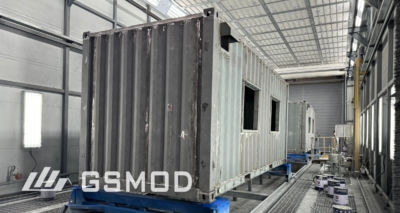
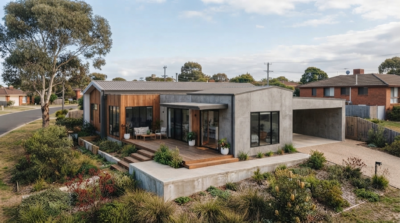
A modular house is a prefabricated building whose components, or “modules,” are manufactured in a factory and then transported to the site for assembly. Alternatively, the houses are manufactured and assembled in a modular factory. These houses are constructed to the same building codes and standards as traditional houses, but are more efficient due to the controlled factory environment. Compared to traditional, site-built houses, modular houses offer faster construction times, more predictable costs, and superior craftsmanship.
Key Features of Modular Houses vs Traditional Houses
Modular House Features
- Factory Precision and Quality Control:
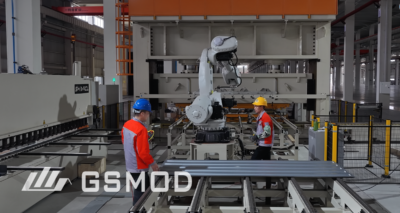
Modular houses are built in factory-controlled environments, ensuring consistent quality and fewer structural defects. This precision enhances durability and reduces the long-term wear that can shorten a building’s lifespan. - Material Performance and Protection:
Because modules are constructed indoors, materials are protected from weather exposure during the building process. This helps prevent issues such as moisture damage, warping, or cracking, which often affect the longevity of traditional on-site builds. - Structural Integrity and Maintenance Efficiency:
Factory-built modules are designed to meet strict structural standards, resulting in highly stable frames and better load distribution. Their standardized design also simplifies future maintenance and repairs, helping extend the overall service life. - Energy Efficiency and Environmental Resistance:
Many modular homes use high-performance insulation and eco-friendly materials that improve energy efficiency and reduce environmental stress on the structure—factors that contribute to longer-term durability.
Traditional House Features
- On-Site Construction: Traditional houses are built entirely on-site, offering flexibility in material selection.
- Variable Construction Quality: The construction quality of traditional houses can vary significantly based on the builder, materials used, and environmental conditions during construction.
- Flexible customization: Traditional houses offer ample design flexibility, allowing individuals to choose from a wider variety of layouts, materials, and finishes.
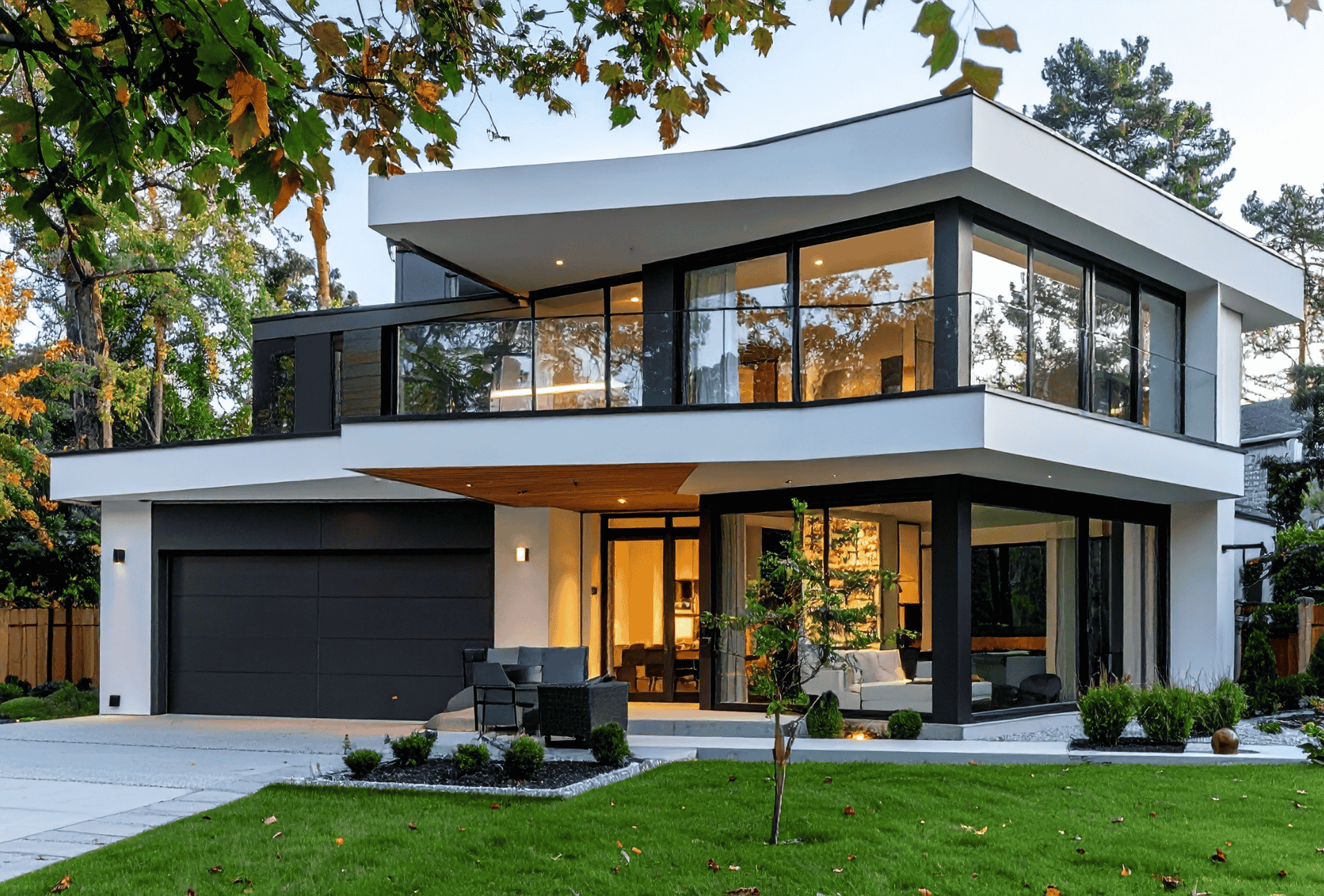
Comparing Lifespan: Modular Houses vs Traditional Houses
Lifespan of Modular Houses
Modular houses are designed to last 50 to 70 years with proper maintenance. Thanks to their modular factory-controlled construction, the materials used are consistently high quality, contributing to the house’s durability. Modular houses often experience fewer issues related to time or construction defects due to the precision of their build.
Lifespan of Traditional Houses
Traditional houses also have a lifespan of 50 to 100 years when properly built. However, their longevity is influenced by external factors such as the quality of materials, the construction process, and the environment in which the house is built. Traditional houses may require more frequent maintenance and repairs over time, depending on the conditions they are exposed to.
Key Comparison
| Factor | Modular House | Traditional House |
| Lifespan | 50 to 70 years | 50 to 100 years |
| Construction Method | Factory-built, Direct assembly | Built on-site from the foundation up |
| Maintenance Needs | Relatively easy to maintain | Typically requires more upkeep |
| Upfront Costs | Higher initial costs, but more predictable | Lower initial cost, but higher risk of delays and cost overruns |
What Affects the Lifespan of Modular Houses?
Several factors contribute to the lifespan of modular houses:
- Material Quality: High-quality materials, such as energy-efficient insulation and steel framing, contribute to the durability of the house.
- Climate and Location: Environmental factors, such as extreme weather conditions or geographical location, can influence the lifespan of any house, including modular houses.
- Foundation: Modular houses require a stable foundation system (e.g., concrete pads or piers) to ensure stability and prevent shifting.
- Construction Standards: Modular houses are built to meet rigorous factory standards, ensuring a higher level of consistency and quality control compared to traditional site-built houses.
Maintenance Requirements for Modular Houses
Key Maintenance Considerations
To maximize the lifespan of a modular house, regular maintenance is necessary. Here’s a checklist for maintaining modular houses:
- Inspect the Foundation: Regularly check for cracks or signs of movement that could compromise the house’s structural integrity.
- Roof Inspection: Ensure the roof is well-maintained, free of leaks, and in good condition.
- HVAC Systems: Periodically check heating, ventilation, and air conditioning systems to ensure optimal functionality.
- Plumbing and Electrical: Perform routine inspections of plumbing and electrical systems to identify potential issues before they become costly problems.
- Exterior Care: Regularly inspect siding and exterior elements to prevent water damage and ensure insulation is intact.
Frequently Asked Questions (FAQs)
1. Can Modular Houses Be Customized?
Yes, modular houses can be customized for large-scale projects. While customization options may be limited for individual houses, design and layout adjustments can be made for larger developments.
2. Does the Transportation Process Affect the Quality of Modular Houses?
No, the transportation process is carefully managed to ensure that the quality of modular houses is not compromised. The precision in factory construction ensures that the structure remains intact during transport.
3. Are Modular Houses Safe During Natural Disasters?
Yes, modular houses can be designed to withstand various natural disasters, including earthquakes, hurricanes, and floods. The materials used and the factory-controlled construction process ensure the structure is durable and can be customized for specific environmental conditions.
4. What Is the Maintenance Cost for a Modular House?
Maintenance costs for modular houses are generally similar to those of traditional houses, but they tend to require fewer repairs in the early years due to their factory construction. However, regular maintenance like roof inspections, plumbing checks, and HVAC servicing is still essential for long-term durability.
5. How Long Does It Take to Build a Modular House?
Modular houses are generally quicker to build than traditional houses, typically completed in a few months, depending on the complexity and size. While modular houses can take about 3 to 6 months, traditional houses often require 8 to 12 months or more for construction, depending on site conditions and labor availability.
Conclusion
Modular houses offer a lifespan of 50 to 70 years, similar to traditional houses. While they come with a higher initial cost, their cost predictability, faster construction, and efficient use of resources make them an ideal choice for large-scale projects. A stable foundation system and proper maintenance are key to ensuring their longevity. Ultimately, modular houses provide quick returns on investment, especially for developers looking for efficient and reliable building solutions.