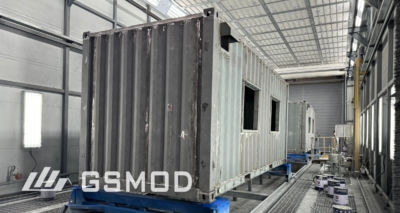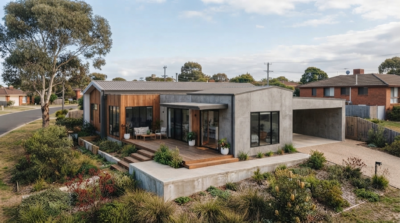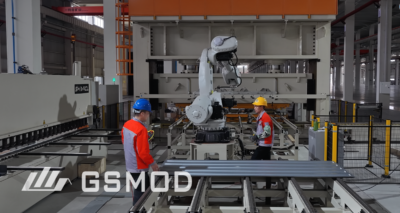


As industries face increasing pressure to improve efficiency, reduce costs, and accelerate delivery, many companies are considering modular design as an effective solution to meet these demands.
Modular design offers significant advantages in manufacturing by breaking down products into standardized, interchangeable modular structures. This approach provides businesses with greater flexibility, faster time-to-market, and better cost control. Because modules can be developed in parallel, easily customized, and manufactured in streamlined factory environments, companies can respond quickly to changing market demands while maintaining high quality and efficient operations. For manufacturers and customers, modular design shortens production cycles, simplifies maintenance, and improves adaptability, making it an increasingly important strategy in today’s competitive market environment.
This guide will explore the practical advantages of modular design, compare it with traditional methods, and provide a simple decision-making framework to help you determine if modular design is right for your business.
Modular and traditional design
| aspect | Modular design | Traditional design |
| speed | Parallel production, rapid on-site deployment | Linear, sequential process; susceptible to site conditions |
| Cost predictability | Accurate budgeting to reduce on-site labor costs | Prone to budget overruns and unexpected costs |
| Flexibility and scalability | Reconfiguration and customization | Change is expensive. Easy to customize individually |
| Quality Control | Standardized high-quality from controlled factories | The quality is relatively stable |
| Sustainability | High material utilization rate and significantly reduced waste | Increased on-site waste and increased resource consumption |
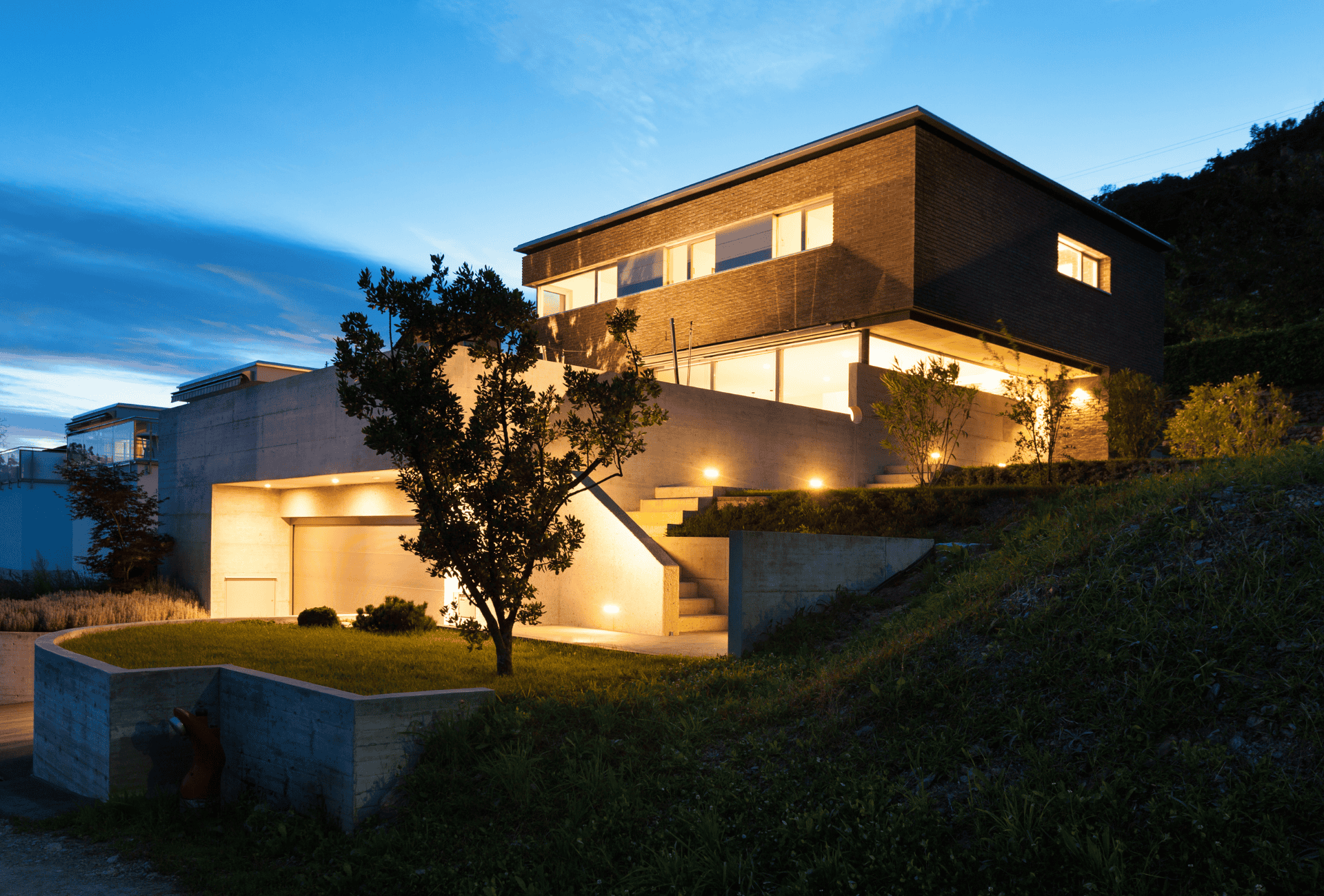
1. Unparalleled speed and efficiency
Simplify parallel production: Modular design Complex projects are being broken down into standardized units that can be produced simultaneously in a factory environment. This parallel workflow breaks the limitations of traditional linear processes, significantly shortens production cycles, and enables companies to bring products to market faster.
Rapid on-site deployment: Because the modules arrive on site prefabricated and largely preassembled, the work shifts from “construction” to “assembly.” This not only reduces deployment time from months to weeks or even days, but also minimizes site disruption and environmental impact.
Checklist for maximizing speed:
Design First: All modular designs are completed before production begins.
Standardized components: Standardize common components to improve manufacturing and procurement efficiency.
Arrange logistics in advance: Plan transportation and on-site crane operations before production is complete.
2. Excellent cost control and financial benefits
Reduce labor and expenses: The factory environment offers a stable workforce, higher levels of automation, and more efficient management. This significantly reduces reliance on expensive on-site skilled labor and eliminates delays caused by weather or site conditions, making labor costs more predictable.
Maximize material utilization: Through standardized design and precise computer-controlled cutting, modular production can maximize the use of raw materials, reduce waste at the source, and thus directly save costs.
Comparison of cost factors:
| factor | Modular design | Traditional design |
| labor costs | Low and predictable | Higher and more varied |
| Material efficiency | higher | Medium, more waste |
| Rework and delays | A minority | Common |
3. Seamless flexibility and scalability
The flexibility of modular design goes far beyond simply adjusting a common framework; its true advantage lies in providing deeply customized solutions for large projects. This capability enables it to precisely meet the unique regulatory, functional, and operational needs of clients across various industries, seamlessly blending the efficiency of standardized production with a highly customized end product.
This customization is reflected in precisely meeting core project requirements. In hospital projects, modules can even be pre-integrated with complex, specialized ventilation systems, medical gas pipelines, and specialized sterilization systems before leaving the factory, ensuring full compliance with stringent healthcare regulations. This deep, upfront integration ensures that the final building delivered is a highly specialized, functionally integrated, holistic solution, rather than a generic framework designed for future expansion.
4. Reliable quality control and safety
Excellent quality through a controlled environment: Unlike the ever-changing construction site, the factory maintains constant temperature and humidity, and adheres to strict quality control procedures. Each module undergoes multiple inspections before shipment to ensure product consistency and compliance, fundamentally eliminating common defects in on-site construction.
Designed for durability: The modules must be designed to withstand the stresses of transport and installation. This often results in a structure that is stronger and more durable than a traditionally built structure.
Safety and Quality Assurance Checklist:
Verification and certification: Confirm that suppliers are ISO certified and comply with relevant industry standards.
Ensure compliance with regulations: Ensure all module designs comply with local building and safety codes at the final destination.
Conducting a factory audit: On-site quality inspections are carried out at the factory during key production stages.
Decision Guide: Is Modular Design Right for Your Business?
Step 1: Define your core goals: your priority speed to market, tight budgeting, or future scalability?
Step 2: Assess the nature of the project: is your project small and one-off, or large, repeatable, and evolving?
Step 3: Assess your resources and supply chain: Do you have access to reliable modular suppliers and logistics partners with the necessary capabilities?
Step 4: Conduct a comprehensive ROI analysis: Estimate and compare potential savings in labor, materials, schedule, and opportunity costs.

Frequently Asked Questions (FAQ)
- Which industries benefit most from modular design?
Construction (e.g, hotels, apartments, and single-family homes), Modular Houses, automobiles, electronics, data centers, and furniture benefit the most because they have high requirements for efficiency, standardization, and scalability.
- Is the initial investment in modular design high?
Initial unit costs can sometimes be slightly higher. However, if you take into account the advantages such as reduced on-site labor, shorter project duration, reduced waste, and earlier operational readiness, the ROI will be even lower.
- How does modular design contribute to sustainability?
It reduces material waste through precision factory manufacturing, lowers transportation emissions through integrated logistics, and makes it easier to recycle and reuse materials.
- Can modular design accommodate complex customization?
Absolutely. It adopts a “platform” approach, where a standardized infrastructure supports highly flexible and customizable configurations, whether in terms of functionality, aesthetics, or interior layout.
- Is modular design suitable for large projects?
Yes, this is especially true for larger projects. The larger the project, the greater the speed and cost advantages become, especially for buildings that require a large number of repetitive units, such as large residential complexes, hospitals, or manufacturing plants.
Conclusion
Simply put, modular design isn’t just an alternative; it’s a decisive competitive advantage. By shifting complexity from the project site to a controlled factory environment, modular design delivers unparalleled efficiency, predictable costs, and superior quality. For companies striving to lead in demanding markets, adopting this transformative approach is the clear path to faster, smarter, and more reliable construction.