

Many people remain unsure about exactly what modular construction includes or how it differs from traditional construction. In short, modular construction comes in two types: permanent and mobile. Both are built using prefabricated modules in factories, offering advantages such as faster construction speed, lower costs, more consistent quality, and wider applicability. They can be widely used in residential, educational, healthcare, and commercial projects.
This article will explain these building types, their advantages, and the industries that benefit most, helping you determine if modular construction is right for your project.
Modular Construction Types
Modular construction generally falls into two categories: Permanent Modular Construction (PMC) and Relocatable Modular Buildings (RMB).
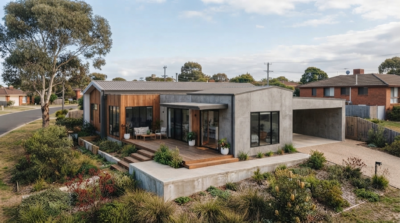
Permanent Modular Construction (PMC) is designed for long-term use and must comply with the same building codes and durability standards as traditional structures. These buildings are commonly used for housing, schools, hotels, and hospitals, with a typical lifespan of 50–70 years, making them a stable and reliable option.
Relocatable Modular Buildings (RMB) are intended for temporary or semi-permanent applications. They can be moved and reused multiple times, making them ideal for temporary classrooms, site offices, or disaster-relief shelters. Despite being labeled “temporary,” they can last 10–20 years, offering flexibility and cost-effectiveness.
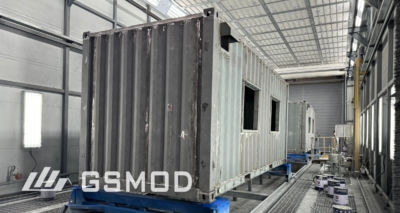
Beyond these two categories, there are also specialized modular systems, such as container-based buildings, panelized systems delivered flat for on-site assembly, and hybrid models that combine modular and traditional construction. Choosing the right option depends on the project’s purpose, budget, expected lifespan, and future expansion needs.
Advantages of Modular Construction
One of the strongest appeals of modular construction is speed. Because modules are produced in a factory while site foundations are prepared, projects can be completed 30–50% faster than conventional builds. Cost savings follow naturally, with reduced labor hours, fewer delays, and minimized material waste.
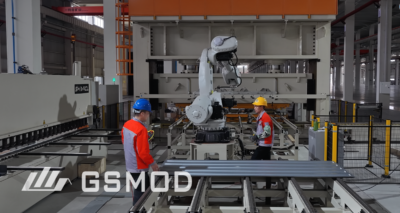
Quality control is another advantage. Factories provide controlled environments where modules are built consistently and inspected before delivery, resulting in fewer onsite errors and higher reliability. Flexibility also matters—modular buildings can be repurposed or relocated as needed. From an environmental perspective, modular projects generate less waste and can integrate sustainable materials and energy-efficient systems.
To maximize these benefits, it’s important to plan logistics early, coordinate with suppliers from the design stage, and consider green features such as solar panels or high-performance insulation.
Sectors Best Served by Modular Projects
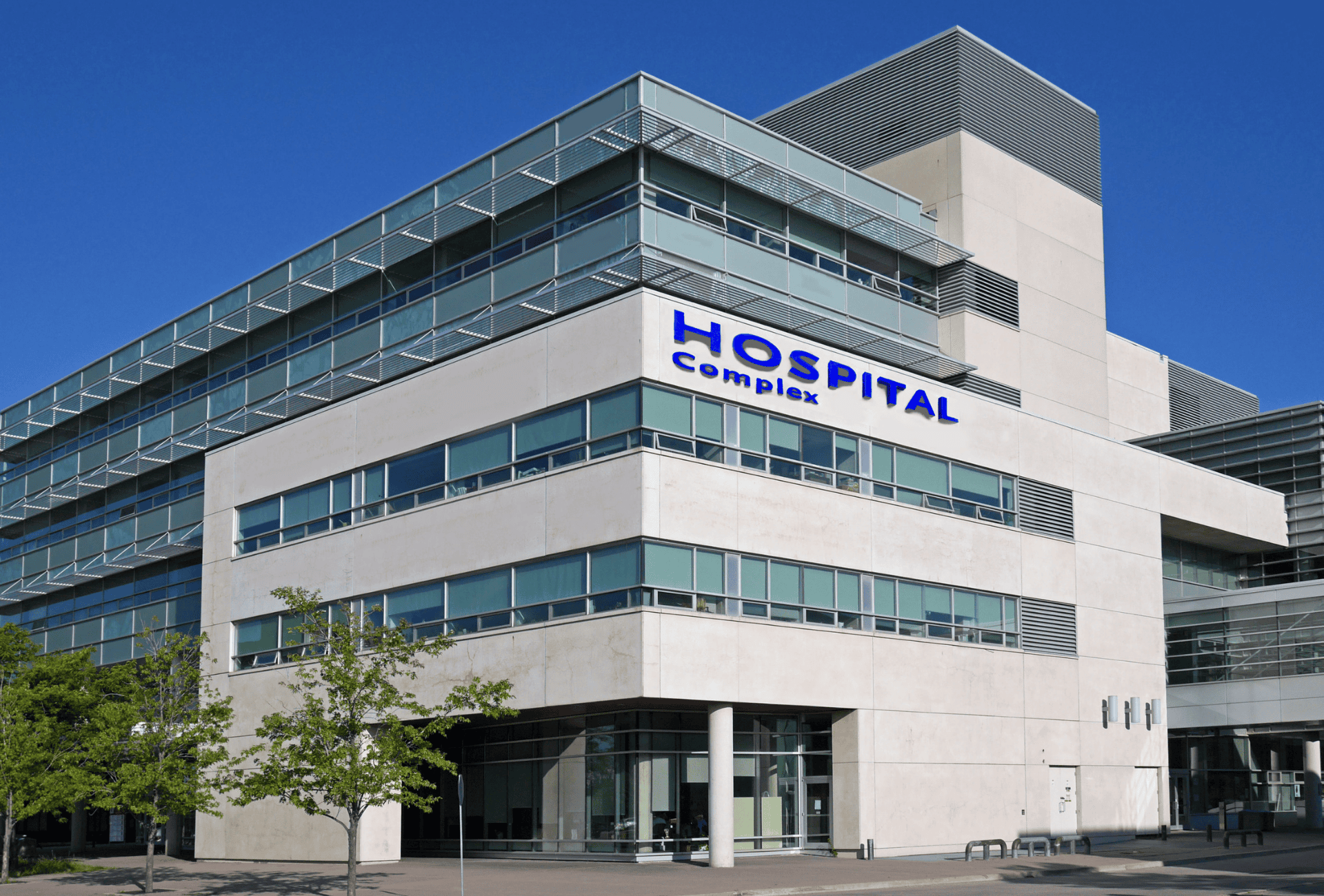
Modular construction has proven value across many sectors. In education, schools often use modular classrooms to respond quickly to growing enrollments. In healthcare, clinics and hospital extensions can be deployed rapidly to meet urgent needs, with modules pre-designed for complex electrical and plumbing systems.
Residential housing is another major area, especially for affordable housing and apartment complexes, where speed and cost efficiency matter most. The commercial sector benefits as well, with modular offices, retail shops, and co-working spaces installed faster than traditional builds. Finally, government, military, and disaster relief projects rely on relocatable modular buildings to provide emergency housing or field offices in challenging conditions.
Each sector values modular construction differently—schools for speed, healthcare for hygiene and reliability, businesses for cost control, and governments for flexibility in times of crisis.
Step-by-Step Decision Guide
To decide if modular construction is right for you, begin by defining whether your project is long-term or temporary. Permanent projects, such as hospitals or housing developments, point toward permanent modular buildings, while relocatable modular units are better for short-term uses like disaster relief or site offices. Next, evaluate your site logistics, including transport routes and crane access, since these affect costs. Compare detailed quotes from suppliers, not just for modules but also for transport and site preparation. Always confirm that local regulations and codes are met. Finally, think about the future—can the building be expanded or reused later? Selecting a supplier with proven case studies and strong warranties will provide extra peace of mind.

FAQs
- How fast can modular buildings be delivered?
Most modular projects are completed 30–50% faster than traditional construction because production and site work happen at the same time. - Are modular buildings durable?
Yes. Permanent modular buildings conform to the same specifications as traditional buildings and are designed for a lifespan of 50-70 years. - Can modular buildings be customized?
They can. Layouts, finishes, and features are highly adaptable, though very complex designs may increase costs. - Which industries use modular construction the most?
Education, healthcare, housing, commercial offices, and disaster relief are the sectors where modular offers the greatest benefits. - Do modular projects always cost less?
Not necessarily. Transportation distance and site conditions will affect the total cost. However, due to reduced labor costs and shorter construction periods, the economic benefits of ROI will be higher, allowing you to put it into use sooner.
Conclusion
Modular construction offers both long-lasting solutions for permanent projects and flexible options for temporary needs. With clear advantages in speed, cost, quality, and sustainability, it is increasingly chosen across education, healthcare, housing, and commercial sectors. By planning carefully and working with the right supplier, you can achieve reliable, adaptable results that meet today’s demands and prepare for the future.