

Traditional methods typically take 2 to 3 years, while modular construction—completing most work offsite—can reduce this to 5 to 9 Months. This article compares both approaches and their impact on project duration.
Timeline for Traditional Construction of a 500-Room Hotel
Design and Pre-Construction Phase (6 to 12 Months)
This phase includes:
- Developing detailed architectural and engineering designs
- Site surveys and preparation plans
- Navigating permitting and approval processes
It can take 6 to 12 months or longer, especially for complex designs or strict regulations.
Construction Phase (1 to 2 Years)
Traditional construction involves:
- Excavation, foundation, and structural framing
- Sequential installation of mechanical, electrical, and plumbing systems
- Interior finishing and landscaping
Because work is primarily sequential, delays in any step often affect the entire schedule.
Final Commissioning and Opening Preparation (3 to 6 Months)
This includes:
- Systems testing and safety inspections
- Furnishing rooms and common areas
- Hiring and training staff
The total timeline usually ranges from 2 to 3 years, potentially longer if delays occur.
Timeline for Modular Construction of a 500-Room Hotel
Design and Pre-Construction Phase (1 to 2 Months)
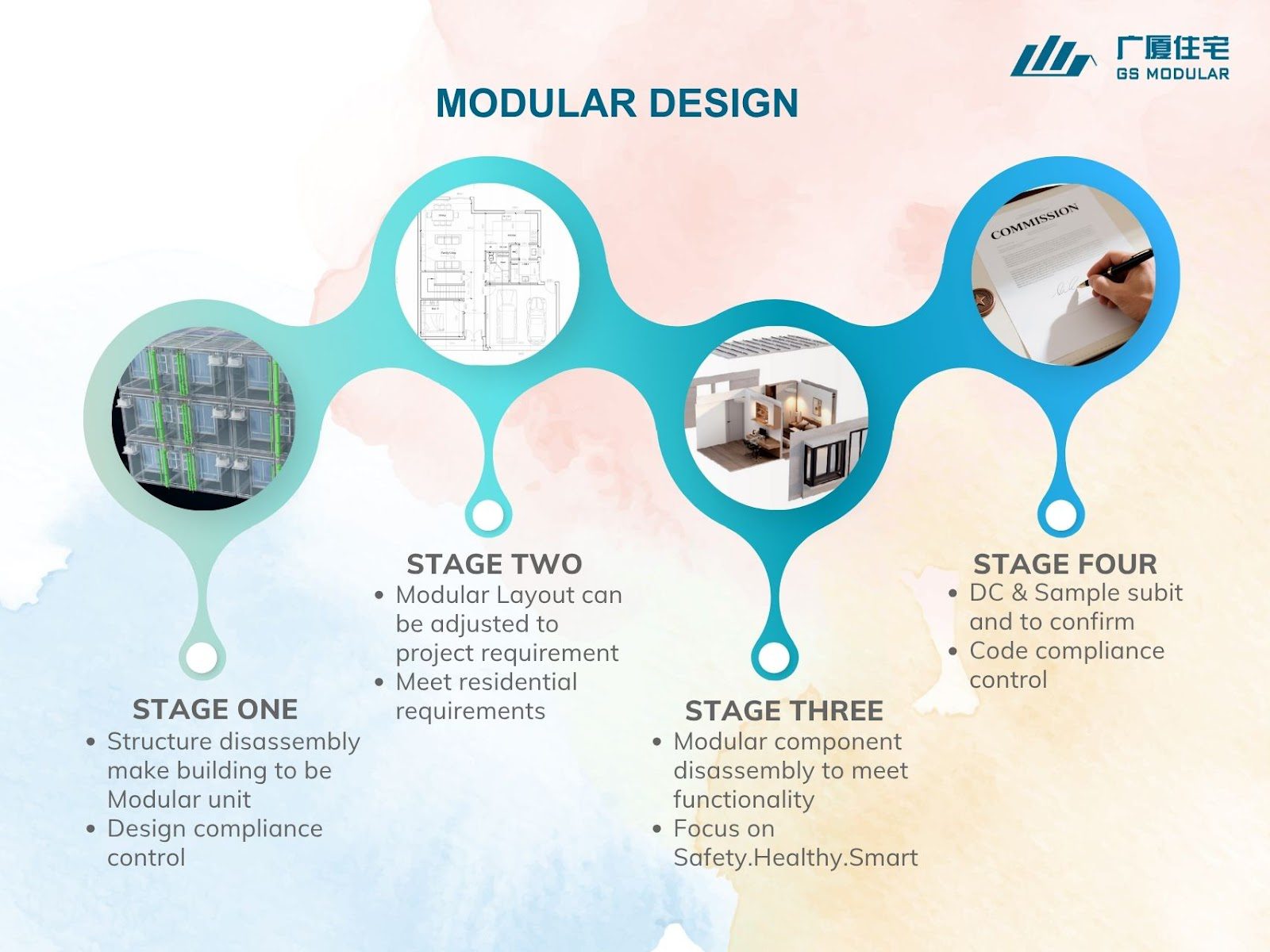
When clients have finalized their planning and room layouts, the design team can typically deliver initial modular design drawings within one week and complete the entire design phase in about a month. This efficient design turnaround not only saves valuable time but also lays a solid foundation for subsequent manufacturing and construction, ensuring the project progresses quickly without compromising quality or accuracy. A fast and professional design process helps bring modular building projects to life sooner.
Modular construction begins with:
- Design optimization for repeatable modular units
- Early collaboration with regulatory bodies
- Factory scheduling for module production
- Compliance testing for residential buildings in different countries
- raw material and interior components sourcing
Streamlined designs often reduce this phase length.
Parallel Offsite Fabrication and Onsite Work (2 to 3 months)
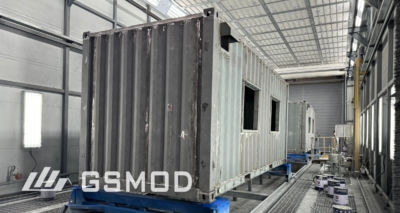
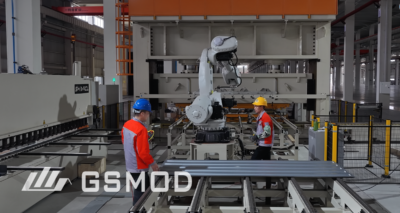
Approximately 80% of the building work is completed off-site in factories. This includes full manufacturing of hotel rooms with walls, floors, ceilings, plumbing, electrical wiring, and finishes.
Benefits of factory work include:
- Consistent high quality and fewer defects
- Avoidance of weather-related delays
- Efficient labor and material use
Meanwhile, onsite crews prepare foundations and utilities. Modules are then transported and rapidly assembled on-site, significantly shortening construction time.
Final Commissioning and Opening (2 to 4 Months)
High-quality factory finishes speed up on-site commissioning and hotel opening.
Overall, modular construction timelines typically fall between 5 and 9 Months, saving up to 50–70% compared to traditional methods.
Customization and Flexibility of Modular Construction
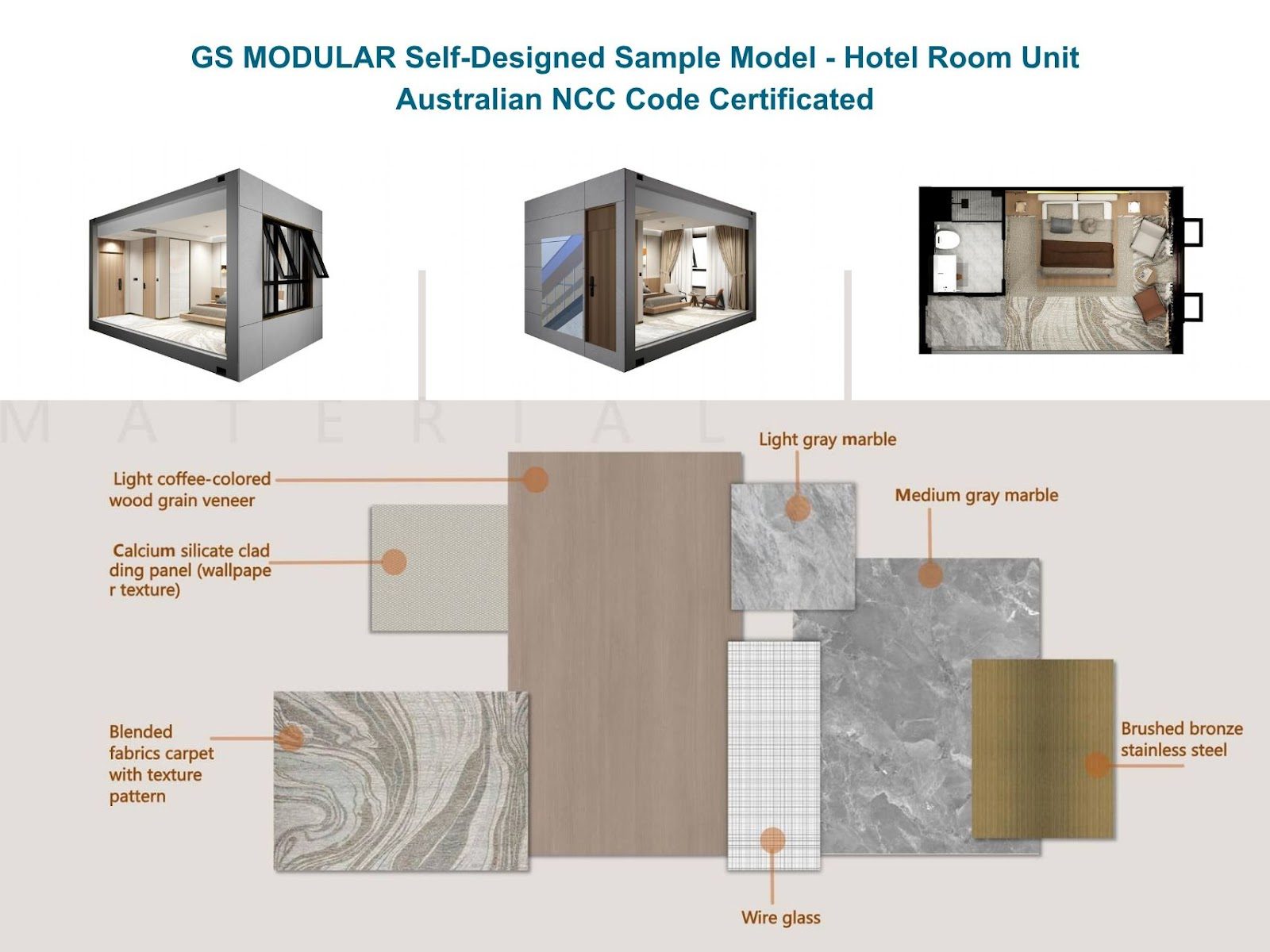
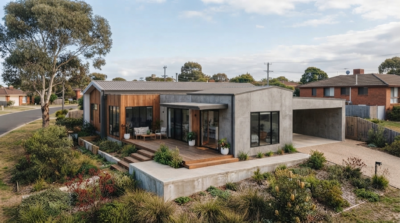
Despite extensive prefabrication, modular units can be customized to meet local environmental, aesthetic, and regulatory requirements, such as:
- Structural adjustments for seismic zones or high winds
- Enhanced insulation and HVAC suited to the local climate
- Exterior finishes matching regional architectural styles
This ensures developers benefit from speed without sacrificing project-specific needs.
Why Modular Construction Outperforms Traditional Methods
- Time Savings: Offsite fabrication and onsite preparation run in parallel, compressing timelines.
- Quality Control: Factory settings reduce errors and rework commonly onsite.
- Less Onsite Disruption: Shorter onsite assembly minimizes noise and traffic.
- Cost Predictability: Faster delivery lowers financing costs and exposure to market fluctuations.
- Environmental Benefits: Reduced waste and better energy efficiency in factories.
- Modular construction requires fewer on-site workers, which significantly reduces the risk of delays caused by labor shortages or restrictive labor policies. This advantage helps keep projects on schedule and ensures faster completion times.
Frequently Asked Questions
How long does it take to build a 500-room hotel?
Typically, 2 to 3 years with traditional methods; modular construction can reduce this to 5 to 9 Months.
Does modular construction limit design flexibility?
No. Modern modular techniques allow extensive customization for local codes, climate, and aesthetics.
What causes the most delays?
Permitting, labor shortages, supply chain issues, and late design changes.
Conclusion
The construction method significantly impacts the timeline for a 500-room hotel. Traditional construction is slower due to its sequential onsite work. Modular construction, which completes roughly 80% of the work in factories and allows for parallel workflows, reduces build time by up to half while maintaining high quality and customization.
For developers aiming for faster delivery, better cost control, and sustainability, modular construction is an increasingly compelling choice.