

Modular construction is a revolutionary method that is quick, adaptable, and economical. Modular buildings are a smart and scalable way to build anything from a temporary office to a lasting school building. This guide breaks down everything you need to know about modular buildings, from how they are put together and what materials they are made of to how they are used and whether they are compliant.
Understanding Modular Buildings
Modular buildings are structures that are made off-site and then put together on-site. This method is faster and better for controlling quality than traditional methods. There are two main types: temporary modular buildings, which are only used for a short time, and permanent modular buildings, which are used for a long time in places like homes, schools, and businesses.
What Are Temporary and Permanent Modular Buildings?
Modular buildings are structures that are made in workshops away from the building site and then put together on-site. Compared to standard builds, this method allows for better quality control and faster project finish.
Temporary prefab houses are only meant to be used for a short time, usually less than five years. However, GS modular temporary prefab houses can be used for 5 to 10 years. They are perfect for short-term, project-based, or urgent needs, like temporary classes or homes for people who have been affected by disasters. These houses can be moved and used again and again, which makes them cost-effective for short-term uses that happen over and over again.
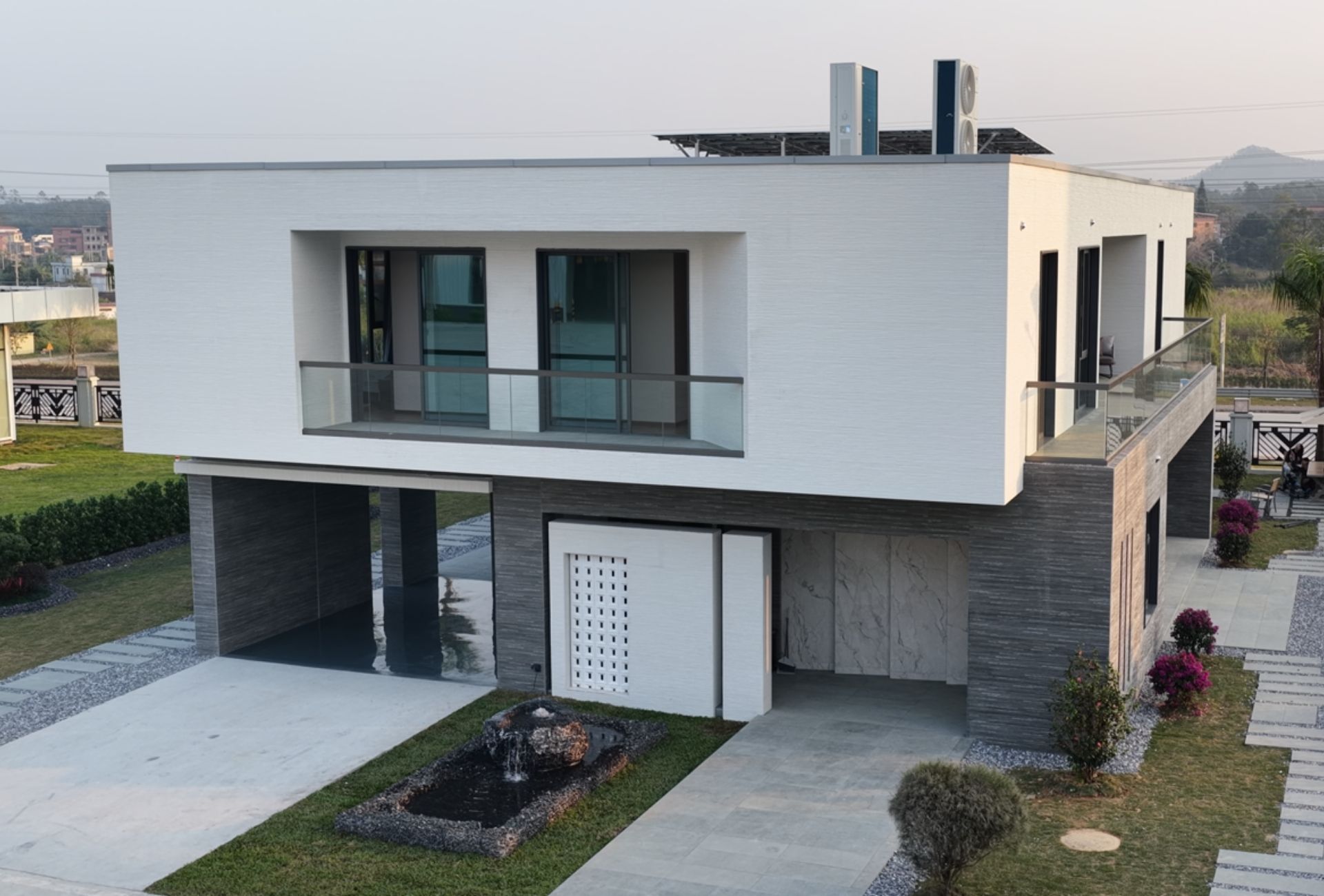
Permanent movable houses, on the other hand, are meant to be used for a long time. They are built to the same standards as regular buildings and are often used for schools, hospitals, office buildings, and even multi-family homes. As long as they are properly placed, they don’t look or last any differently than regular buildings.
Key Differences from Traditional Construction
In traditional construction, everything is built from the ground up on-site. In modular construction, however, parts are made in a workshop while the site is being prepared. This parallel process cuts the total build time by a large amount.
Traditional building projects are more likely to be held up by bad weather, a lack of workers, and wasted materials. These risks are lessened by modular building. The controlled setting of the plant makes sure that the product is always precise. Installation is also faster and more efficient because modular units are put together with parts that have already been measured and often finished.
Core Construction and Materials
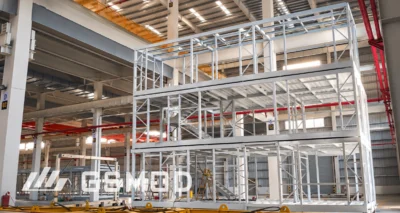
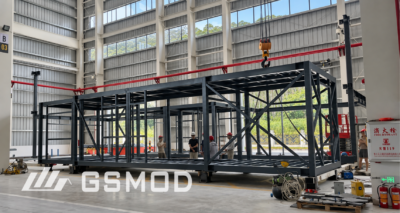
Modular buildings are made in workshops using standard techniques. They are then transported to the construction site and assembled there, which accelerates the building process and makes coordination easier. Temporary units are usually made of light materials like metal or wood, so they are easy to move. Permanent modular buildings, on the other hand, are made of strong materials like steel and concrete to make sure they last and meet building codes.
Off-Site Fabrication and On-Site Assembly
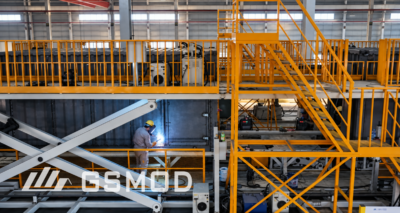
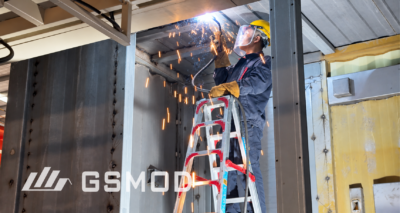
One great thing about modular buildings is that they can be made off-site and then put together on-site. No matter what the weather is like outside, trained workers in the factory use standard methods to build units. Then, these pieces are taken to the construction site, where cranes and workers put them together to make the whole building.
This two-step process not only speeds up the building but also makes it easier for everyone to work together. In the factory, walls, floors, and roofs can be constructed simultaneously while the foundation is being prepared on-site. This similarity shortens the usual time it takes to build something by weeks or even months.

Structural Materials and Lifespan Expectations
Which materials to use depends on whether the project is short-term or long-term. Aluminum and wood frames are two common lighter and easier-to-move materials used in temporary movable buildings. These options emphasized being easy to move and reusing.
Heavy-duty materials like steel frames, concrete, and improved insulation systems are used in permanent modular buildings. These materials are made to last for decades and meet local building codes, which include being resistant to weather and earthquakes.
Permanent modular buildings are engineered to last 30 years or more, often exceeding the lifespan of many conventionally built structures. However, GS modular are designed to last at least 50 years, providing even greater durability and longevity.Thanks to controlled factory production and durable materials, they require only minimal maintenance to remain structurally sound and visually intact over the long term. Temporary modular buildings, while durable, are optimized for short-term use and frequent relocation.
Application Scenarios and Use Cases
Whether to use temporary or permanent modular buildings relies on how long the project will last and what it’s for. Temporary buildings are great for short-term needs like pop-up shops, site offices, or extra classes. Permanent modular buildings, on the other hand, are better for long-term needs like hospitals, government buildings, and corporate offices. Because they are flexible, quick, and scalable, these buildings are used a lot in fields like education, healthcare, and construction.
When to Use Temporary vs Permanent Solutions
Whether you choose a temporary or permanent modular building depends on how long your project will take, what you want to use it for, and your long-term goals.
Temporary modular buildings are great for short-term needs like pop-up shops, offices on construction sites, extra classrooms, as well as temporary housing for construction projects. Temporary solutions give you more freedom and less investment risk if your needs change with the seasons or if you need to be in a different place.
Permanent movable buildings, on the other hand, are great for long-term structures like hospitals, government buildings, and business offices. These buildings can be completely customized to fit your needs, can grow over time, and can be easily added to current projects, especially in countries with high labor costs, large construction volumes, and projects that require quick completion.
Industry Examples: Education, Healthcare, Site Offices
When the number of students grows faster than the school’s buildings can keep up, movable classes are often used. You can put these buildings up over the summer and start using them right away when school starts again.
Healthcare workers can increase the number of people they can serve by using both portable and permanent movable buildings. Short-term mobile hospitals can be set up quickly during health emergencies like pandemics. Permanent buildings are where labs, patient care centers, and executive offices are kept for long-term needs.
Construction companies often use modular site offices. On the job site, these movable units are used as command centers and offer space for meetings, storage, and office work. The building can be moved to a new location once the job is done.

Cost, Timeline, and Deployment
Modular buildings are usually 10–20% cheaper than standard construction, with quicker usage, lower labor costs, and longer payback periods. Because they can be set up quickly, they are great for emergencies and projects that need to be done right away. Permanent buildings can also benefit from shorter timelines without sacrificing quality or compliance.
Construction Costs and Return on Investment
Modular construction can offer cost savings through reduced labor, accelerated project timelines, and more efficient material usage. However, the final cost depends on project-specific factors such as size, design complexity, location, and compliance requirements. Each modular project should be custom-quoted to ensure accurate pricing and long-term value for the client.
Making things in a plant also cuts down on trash and shipping costs. When projects choose flexible options, the overall costs are often 10–20% less. The costs upfront may look about the same as with traditional ways, but the savings over time, lower risk, and practical benefits make it well worth the money.
This is a great way to save money in fields like healthcare and education, where every day of downtime affects hundreds or thousands of people.
Deployment Speed and Emergency Use Readiness
One of the best things about modular construction is how fast it is. Modular buildings can be used in a part of the time it takes for standard builds because the building and site planning happens at the same time.
Modular buildings can be set up and ready to use in just a few days, such as during natural disasters or public health issues.Because of this, they are necessary for disaster centers, medical care units, and short-term government activities.
Timelines for permanent structures are also shortened, which helps companies and institutions get up and running quickly without sacrificing quality or compliance.
Compliance and Global Standards
Modular buildings must adhere to national and foreign building codes, such as the IBC in the United States, Eurocodes in Europe, and regional laws throughout Asia. It is very important to follow the rules for fire safety, energy efficiency, and accessibility. To do this, fire-resistant materials, energy-efficient HVAC systems, and accessible designs should all be planned from the beginning.
Building Codes and Permits (U.S., Europe, Asia, and Australia)
Modular construction must adhere to local, state, and national regulations to ensure safety, performance, and compliance.
- United States: Modular buildings are governed by the International Building Code (IBC) and International Residential Code (IRC), with each state having specific amendments. The International Code Council (ICC) and Modular Building Institute (MBI) have developed standards like ICC/MBI 1200-2021 and 1205-2021 to provide consistency across jurisdictions
- Europe: The Eurocodes serve as the overarching framework for structural design across EU member states. Each country may have national annexes that adapt these codes to local conditions, such as seismic activity, wind loads, and thermal performance.
- Asia: Regulations vary significantly by country. For instance, Japan’s Building Standards Law emphasizes earthquake resistance, while Singapore’s Building and Construction Authority (BCA) enforces strict standards for energy efficiency and sustainability.
- Australia: The National Construction Code (NCC) sets the technical standards for building design and construction across all states and territories. In 2024, the Australian Building Codes Board (ABCB) released a “Prefabricated, Modular, and Offsite Construction Handbook” to guide compliance with the NCC when using Modern Methods of Construction (MMC) . This handbook addresses factors influencing compliance outcomes and provides guidance on determining the evidence needed to comply with the NCC .
Before commencing construction, it’s crucial to collaborate with a modular provider knowledgeable about local building codes and experienced in obtaining the necessary permits. Delays in approvals can negate the time savings typically associated with modular construction.
Fire Safety, Energy, and Accessibility Requirements
Compliance is more than just building structures and supplies. Standards must be met for fire safety, energy efficiency, and mobility in modular buildings.
Good providers use fire-resistant materials and fire-oke alarms, and water systems are built into every design. Modern HVAC systems, insulation wall panels, and roofs that can be used with solar panels all make homes more energy efficient. ADA-compliant doors, bathrooms, and halls make the building more accessible.
Providers like GS Modular put these standards first from the start of the planning process, making sure that all users are in safe and comfortable spaces.
Choosing a Reliable Modular Partner
Choosing the right modular partner is important for the success of the project. Look for providers with a lot of experience in the field, flexible customization options, code compliance, clear price, and strong guarantee support. Whether you should hire or buy depends on how long your project will last and what your goals are. Leasing is best for short-term, changeable needs, while buying is better for long-term, fixed or frequent use.
Supplier Selection Criteria and Warranty Services
Not every modular service is the same. Picking the right partner is important for the job to go well. These are important things to think about:
- Experience and a good name in the field
- There are a variety of ways to customize
- Following the rules for building in the area
- Clear guarantee terms and help after the sale
- Prices and clear arrival times
Businesses like GS Modular offer full options, from planning and designing to delivering and providing support. They are a great choice for both short-term and long-term jobs because they care about quality and customer happiness.
Purchasing a Mobile Building: What Contractors Should Consider
When you want to put something on permanently or use it over and over, buying it is better. Even though it costs more upfront, owning a building is worth more in the long run, especially if it is used all the time for a few years. When choosing between the two choices, contractors should think about how much it will cost to own, maintain, and be flexible.
Conclusion
Modular construction is a smarter, faster, and more flexible way to build. Whether you need something short or long-term, modular houses can help you save money, get things done faster, and meet strict government rules.
From emergency medical units to long-term schools, there are a lot of ways this could be used. Working with reputable companies like GS Modular gives you not only good building but also peace of mind through dependable service and support.
As businesses change and deadlines get shorter, modular buildings look like the best way to build quickly and sustainably.