

Whether it’s a developer planning a new residential community, a contractor building a healthcare or hospitality facility, or a business expanding its operations, construction projects often face the same challenges — high costs, long timelines, and limited flexibility. That’s why modular buildings are becoming such a popular alternative.
In this article, we’ll share five key reasons why modular buildings are the smarter choice. You’ll learn how they can clarify costs, speed up construction schedules, and offer unique advantages such as flexibility, high-quality reliability, and sustainability. By the end, you’ll know why modular construction is a practical solution for both businesses and individuals who want spaces that are flexible, affordable, and future-ready.
Reason 1: Accurate Costing and Better Budget Control
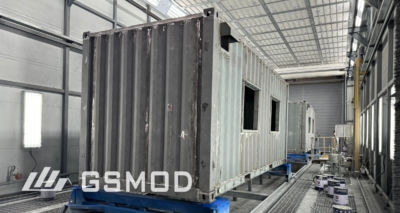
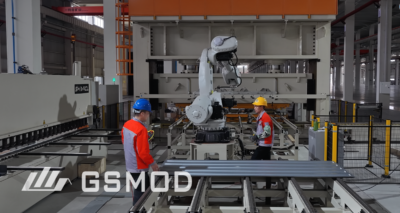
Modular construction allows for clear and predictable cost management. Because modules are produced in a factory with standardized processes, material quantities, labor hours, and logistics can be accurately estimated from the start. This minimizes unexpected expenses, design changes, and on-site inefficiencies—helping projects stay within budget and on schedule.
Reason 2: Faster Construction and Earlier Completion
Compared with traditional builds, modular construction dramatically reduces total project time. While the foundation is being prepared, modules are built simultaneously in a controlled environment. Once delivered, on-site installation is quick and precise, cutting the overall timeline by up to half. Faster completion means earlier use of the building and quicker operational readiness.
Modular vs. Traditional: A Quick Comparison
| Factor | Modular Construction | Traditional Construction |
| Timeline | 30–50% faster | Delays due to weather and labor shortages |
| Cost Predictability | High (factory-based) | Lower, frequent overruns |
| Occupancy & ROI | faster ROI | slower ROI |
Reason 3: Flexibility for Evolving Project Needs
The flexibility of modular buildings lies in their ability to adapt to diverse project requirements. Their core advantage lies in the combination of standardized module systems and customized building design.
Through standardized production, large volumes of structural and functional modules can be manufactured with consistent quality and predictable costs. At the same time, developers and design teams can tailor the layout, façade, and interior finishes to align with branding, operational needs, or regional regulations.
This balance between efficiency and customization makes modular construction ideal for large-scale developments such as residential communities, hospitality complexes, healthcare facilities, and workforce housing — where speed, scalability, and consistent quality are key to investment performance.
Reason 4: High Quality And Long-Term Reliability
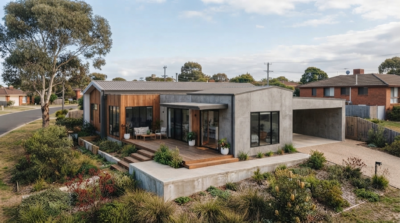
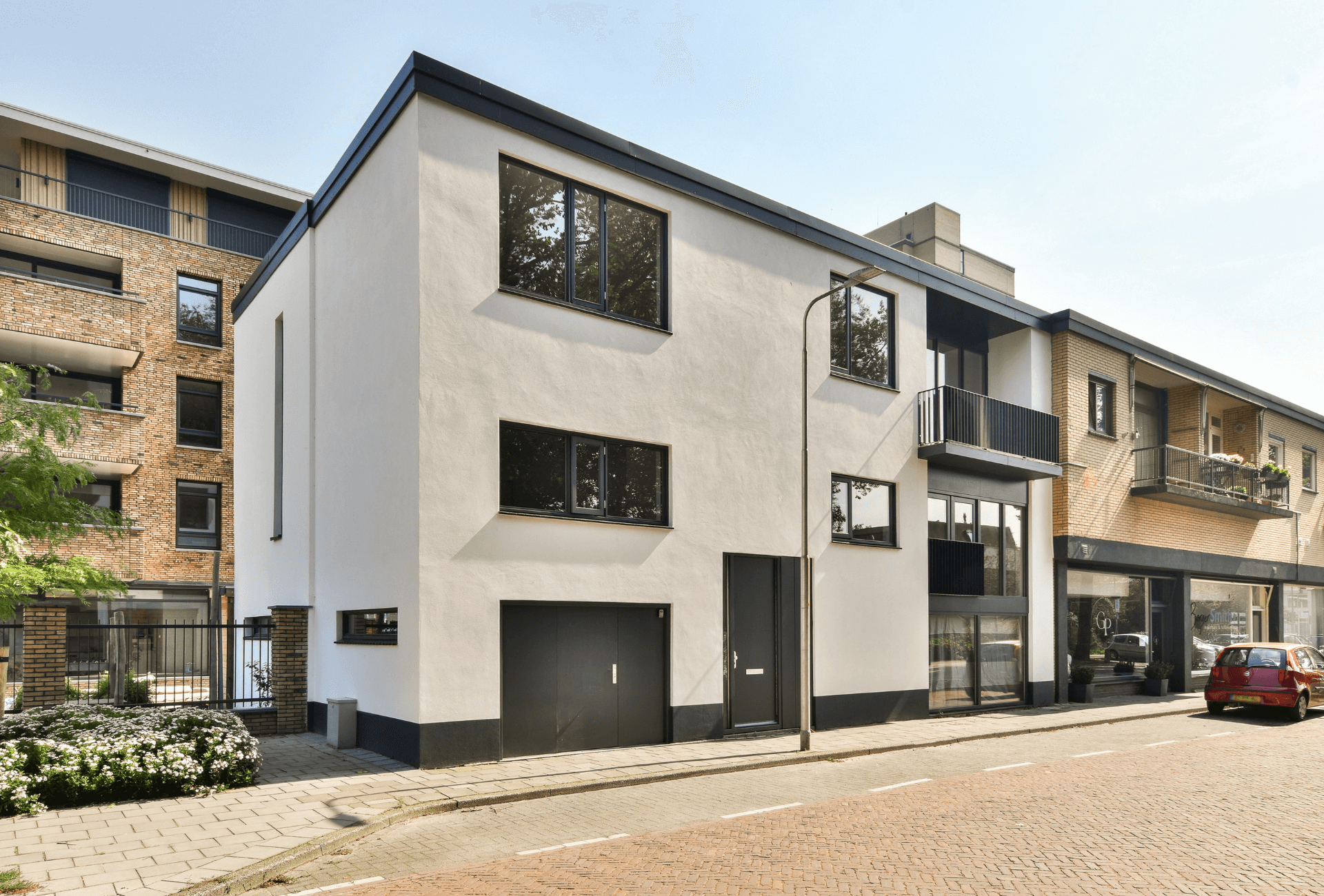
Modern modular buildings are designed and constructed to meet the same standards as traditional buildings. Modular factory production ensures consistent quality, and controlled environments protect materials from weather damage. With advanced techniques and durable finishes, today’s modular buildings offer the same longevity and professional appearance as conventional structures.
Reason 5: Sustainability And Lower Environmental Impact
Modular construction is environmentally friendly by design. Off-site production minimizes noise, dust, and disruption at the build site, while also reducing site traffic. Materials are carefully managed and recycled, and many modular buildings include energy-efficient features like insulation and smart HVAC systems. These factors lower your long-term operating costs and help support sustainability goals.
FAQs About Modular Buildings
1. Do Modular Buildings Last As Long As Traditional Ones?
Yes. They are built to the same specifications and, if properly maintained, can last 50-70 years.
2 . How Do I Finance A Modular Project?
Most banks and lenders treat modular projects like traditional construction, though some may need additional documentation showing faster ROI and lower risks.
3. Can Modular Buildings Be Customized?
Absolutely. Floor plans, finishes, and branding can all be tailored — modular is far from “cookie-cutter.”
4 . How tall can modular buildings be?
Modern modular technology allows buildings up to 33 stories high. Hybrid systems combining modular units with steel or concrete cores are often used for high-rise projects.
Conclusion
Modular construction offers far more than speed and cost efficiency — it delivers reliability, scalability, and long-term value. For developers, contractors, and project owners, it provides a controlled, future-ready building method that reduces risks and accelerates returns. Built under rigorous quality systems and compliant with international building standards, modular construction ensures every project meets global expectations for safety, performance, and sustainability.