

The construction industry is undergoing a significant transformation as businesses, developers, and governments seek faster, more cost-effective, and sustainable methods for building. Among the most popular construction methods today are modular construction and traditional construction. Both have their strengths and drawbacks, but which one is right for your business?
In this article, we’ll compare the two construction methods, exploring their benefits and challenges, and help you make an informed decision that aligns with your business goals.
What Is Modular Construction?
Understanding the Basics of Modular Building
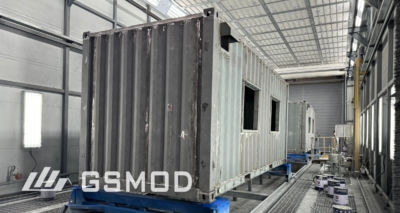
Modular construction involves the off-site fabrication of building sections, or modules, which are then transported and assembled on-site. Unlike traditional construction, which consists of building every part of the structure directly on-site, modular construction prioritizes efficiency, speed, and quality.
Key points to note:
- Off-site fabrication enables better quality control, thereby reducing delays caused by weather or on-site issues.
- Modules come pre-built with essential features, such as plumbing, electrical wiring, and insulation, already installed.
How Modular Construction Works
- Design and Planning: Architects use Building Information Modeling (BIM) for precise design, ensuring that modules fit together perfectly.
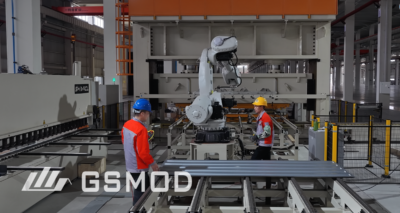
- Factory Production: Modules are produced in factories, with rigorous quality control ensuring consistency.
- Site Preparation: The construction site is prepared simultaneously, including foundation work and utility installation.
- Assembly: Once the modules arrive on-site, they are quickly assembled into a completed building.
What Is Traditional Construction?
Defining Traditional Construction
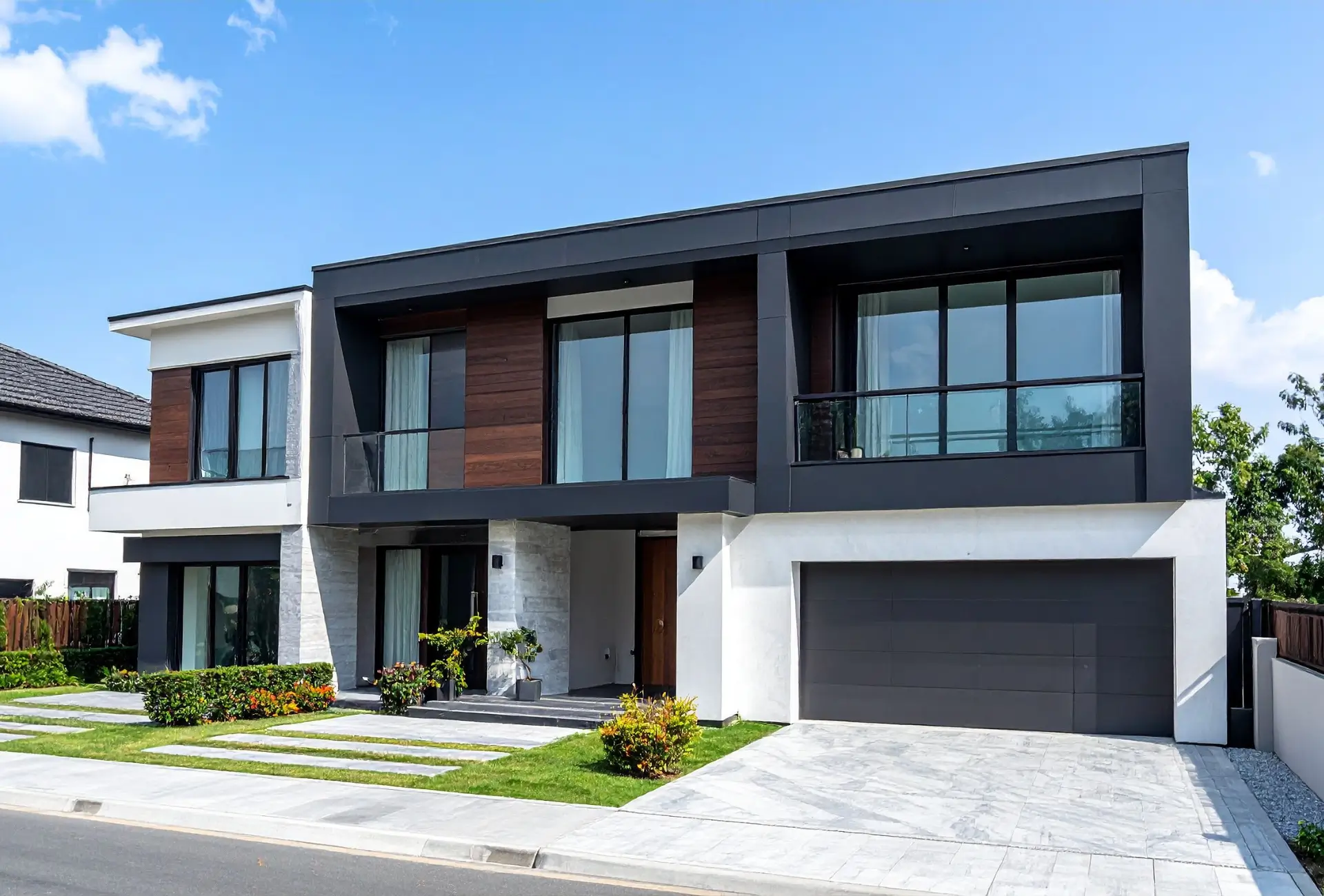
Traditional construction refers to buildings being constructed entirely on-site. This method involves manual labor and a sequential process, with the construction of the building’s foundation, structure, plumbing, electrical systems, and finishes occurring in a step-by-step fashion.
How Traditional Construction Works
- Design and Planning: Architects create blueprints, with all designs and specifications finalized before construction begins.
- Building Process: The actual construction process starts with the foundation, followed by the building’s structure, plumbing, wiring, and finishing. This work is done sequentially, and each step relies on the completion of the previous one.
- Weather and Site Dependencies: Traditional construction is highly susceptible to delays caused by weather and site conditions, which can slow down progress.
Modular Construction vs. Traditional Construction: A Head-to-Head Comparison
Speed and Efficiency
- Modular Construction: One of the most significant advantages of modular construction is its speed and efficiency. Since modules are built in a factory setting while the site is being prepared, construction can be completed 30–50% faster than traditional methods. This makes it an excellent choice for businesses with tight deadlines or those that need to meet seasonal demands.
- Traditional Construction: Traditional construction methods take longer due to the sequential nature of the work and the dependency on site conditions and weather. Projects can be delayed by factors such as labor shortages and unforeseen site conditions, which can significantly extend timelines.
Cost Implications
- Modular Construction:
Modular buildings aren’t always cheaper than traditional ones, but they offer greater cost certainty and efficiency. The factory-controlled process minimizes material waste, reduces weather delays, and shortens the overall timeline — all of which help avoid unexpected cost overruns. In many cases, the total project cost is comparable, especially when factoring in faster occupancy and reduced financing time. - Traditional Construction:
Traditional building methods can appear more flexible upfront, but often come with longer schedules and variable labor expenses. Weather, on-site coordination, and material fluctuations can lead to budget overruns and unpredictable final costs, making modular construction the more predictable option for many developers.
Design Flexibility
- Modular Construction:
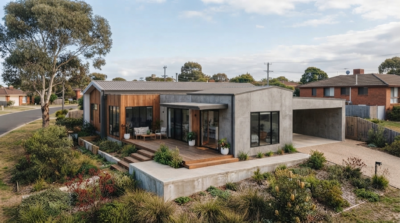
Today’s modular buildings offer impressive design versatility. With modern engineering and digital modeling, modules can be configured in various layouts and finishes to achieve both aesthetic and functional goals. While certain highly irregular shapes or large open spans may require hybrid solutions, modular systems still allow for creative, customized designs that look and perform like traditional buildings. - Traditional Construction:
Traditional construction provides the highest degree of freedom, with virtually no limits on size, shape, or structure. It remains the preferred choice for architecturally complex or highly bespoke projects, where every detail can be tailored without the constraints of modular dimensions.
Quality and Durability
- Modular Construction: Modular buildings are constructed in a controlled factory environment, ensuring consistent quality. They are built to last 50–70 years with proper care. The risk of defects is minimal due to the factory-based production and quality assurance processes.
- Traditional Construction: The quality of conventional buildings is dependent on site conditions, materials, and the labor force. While conventional buildings are generally durable, weather and other factors during production will affect the quality. Traditional buildings can also last decades but may require more maintenance over time, depending on the materials used.
For example, GSMOD ensures every project meets local and international standards through a three-stage quality control system:
- Raw Material Sourcing: A strong supply chain allows GSMOD to source certified materials that meet client and regional requirements.
- R&D, Technical, and Design Oversight: Engineering and design teams jointly review materials and processes to ensure safety and precision.
- Third-Party Certification: Finished modules are tested and certified by recognized organizations.

Key Benefits of Modular Construction for Your Business
Faster Project Completion
Modular buildings are completed in half the time of traditional construction. This rapid timeline is ideal for businesses that require quick turnarounds, such as retail stores, offices, or emergency housing facilities.
Cost Savings and Predictability
With predictable budgets and a fixed production schedule, modular construction reduces the risk of unexpected costs and delays. The shorter timelines and more efficient processes result in substantial savings, making it an attractive option for budget-conscious businesses.
Sustainability and Eco-Friendly Features
Modular buildings are designed to be energy-efficient, and the construction process produces less waste compared to traditional methods. Sustainable materials, such as recycled steel and timber, are often utilized, making modular construction a greener option for businesses seeking to meet their environmental goals.
Conclusion
Choosing between modular construction and traditional construction depends on your business’s specific needs, budget, and timeline. Modular construction offers faster delivery and sustainability, making it ideal for companies that require quick, predictable solutions. On the other hand, traditional construction is better suited for complex projects that require custom designs and greater flexibility. Modern modular buildings also meet international certification standards, ensuring consistent quality and compliance worldwide.