

The hotel industry is entering an exciting new era. Developers and investors no longer need to choose between speed, cost efficiency, and quality. By shifting much of the construction process to a factory setting, hotels can be built faster, at a lower cost, and with consistent quality.
Across the globe, hospitality leaders are adopting this approach to remain competitive, meet sustainability goals, and deliver exceptional guest experiences. If you are planning a hotel project, modular construction could be the key to achieving faster growth and more substantial returns.
What Are Modular Apartments For Hotels?
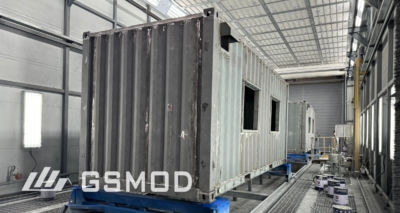
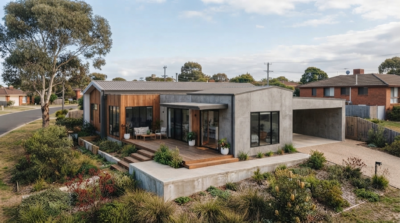
The modular units of the hotel apartments are built in the factory and then transported to the project site for assembly. Each module comes complete with structural elements, wiring, plumbing, finishes, and sometimes even furniture. When pieced together, they create a fully operational hotel that looks and feels no different from one built traditionally.
This approach is highly adaptable:
- A business hotel in a busy city center can utilize modular units to deliver rooms and capture market demand quickly.
- Resorts in remote destinations can rely on modular villas that are built elsewhere and assembled on-site, avoiding local labor shortages.
- Economy chain hotels can benefit from the cost efficiency of repeatable modular units.
- boutique property can integrate modular suites with customized finishes to create a unique experience.
Why Modular Construction Is A Game Changer For Hotels
Open Your Hotel Faster
Time-to-market is critical in hospitality. Modular hotels are often completed 30–50% faster, allowing you to welcome guests months ahead of schedule. For example, a new airport hotel can start serving business travelers during peak travel season instead of waiting another year.
Control Costs With Confidence
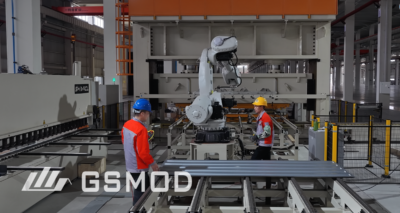
In a factory setting, construction is streamlined. Labor is more efficient, material waste is reduced, and budgets are easier to control. This is especially valuable for economy hotels and mid-scale chains, where cost predictability directly affects profitability.
Deliver A Consistent Guest Experience
Hospitality success depends on reliability. Because each module is built under the same standards, every room delivers the same comfort, safety, and style. This uniformity is ideal for international hotel brands that need to replicate the same guest experience across multiple locations.
Build A Sustainable Future
Travelers are increasingly seeking eco-friendly options, and modular hotels offer a compelling solution. They reduce on-site waste, integrate energy-efficient systems, and support green certifications. For eco-resorts and wellness retreats, this becomes not just an operational benefit but also a marketing highlight.
Key Factors For Successful Modular Hotel Projects
Secure Investor Support
Highlight how modular construction enables faster openings, earlier returns, and reliable cost projections. For resort developers, showing potential seasonal revenue gains can strengthen investor confidence.
Understand Local Regulations
Every market has its own requirements, but modular projects can meet or exceed the standards of traditional building codes. For example, a city hotel project may face stricter fire safety standards than a small coastal retreat. Early planning ensures smooth approvals.
Plan Logistics Carefully
Transport and assembly require detailed preparation. A downtown hotel will need road access for cranes and staging areas, while a mountain lodge may need modules shipped in smaller parts to navigate narrow roads.
Design With Guests In Mind
Modern modular hotel design allows for unique touches. A luxury spa resort might opt for larger suites with balconies, while a budget-friendly city hotel can focus on compact yet efficient layouts.
Think Long Term
Modular hotels are built to last and adapt. A university campus hotel might start small and expand as demand grows, while a conference hotel can easily renovate by upgrading its modular interiors every few years.
Steps To Bring Your Modular Hotel To Life
- Define Your Vision
- Clarify whether you’re building a fast-turnaround airport hotel, a stylish boutique property, or a sustainable eco-resort.
- Select a modular construction provider with experience across hospitality types, from economy hotels to luxury resorts.
- Collaborate with architects to ensure your hotel reflects its purpose—whether it’s business efficiency, resort relaxation, or premium guest experiences.
- Secure Approvals Early. Different hotel types face different approval requirements. A city hotel may need detailed zoning reviews, while a beachside retreat may require environmental permits.
- Embrace Sustainability, Integrate energy-efficient lighting, innovative climate systems, or solar panels. For eco-focused properties, this is both a cost-saving measure and a brand strength.
Global Adoption Of Modular Hotels
Modular hotels are no longer experimental—they are becoming the standard in many markets.
- In major cities, business hotels are utilizing modular units to open more quickly and capitalize on demand.
- In remote resort areas, modular villas allow developers to overcome labor and resource limitations.
- In economy and mid-scale hotels, modular efficiency helps operators stay profitable while maintaining quality.
- In luxury segments, customized modular suites prove that prefabricated construction can deliver exclusivity and elegance.
This variety of applications shows that modular construction is not only versatile but also aligned with the future of global hospitality.
FAQs About Modular Apartments For Hotels
1. Are Modular Hotels More Affordable To Build?
Not necessarily cheaper, but more predictable. While modular hotels don’t always have lower upfront costs than traditional builds, the controlled factory process and faster installation often reduce delays, waste, and financing time. This makes the overall project more cost-efficient and profitable over its lifecycle.
2. How Long Does Modular Construction Take?
Hotels can often be completed in half the time of traditional hotels, a significant advantage for projects such as airport hotels or seasonal resorts that require rapid readiness.
3 . Can Modular Hotels Deliver Luxury?
Absolutely. Boutique and high-end properties can incorporate premium finishes, distinctive layouts, and luxurious amenities.
4. Do Guests Notice A Difference?
No. Whether it’s a business traveler in a city hotel or a guest at a resort villa, the experience is comparable to traditional builds.
5 . Where Are Modular Hotels Used?
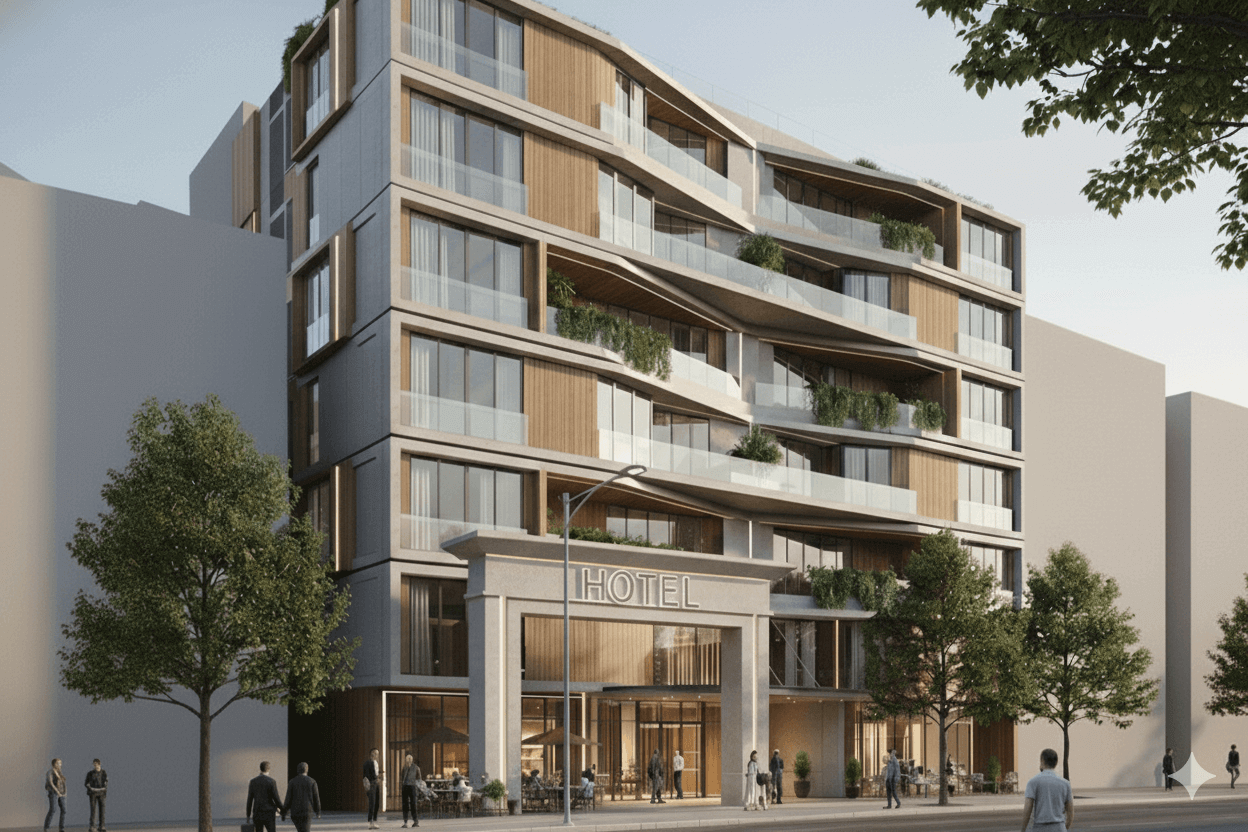
They’re now used worldwide—from busy city centers to remote resorts. The CitizenM Hotel in New York City highlights fast, low-disruption modular building in an urban core, while the Fairfield by Marriott in Folsom, California, shows how it delivers efficient, high-quality stays in more secluded locations.
Conclusion
Modular apartments for hotels are changing the rules of hospitality development. They reduce build time, improve cost efficiency, ensure consistent guest experiences, and support sustainability—all while offering flexibility for future growth.
Whether you’re planning a fast-delivery business hotel, a budget-friendly chain, or a luxury resort, modular hotel construction provides the tools to succeed. With the right strategy, this innovative method can help you open sooner, operate smarter, and grow stronger in today’s competitive global market.