

When planning a new building project, you’ll often hear the terms “modular” and “prefabricated (prefab)” used interchangeably. However, while they’re closely related, they don’t mean the same thing.
In fact, modular construction is a specific type of prefab—a more complete and advanced approach. Prefab refers broadly to a building method in which parts of the structure are produced in a factory and then transported to the site for assembly. Modular buildings, on the other hand, are made up of fully constructed, three-dimensional “modules” that are assembled like building blocks.
In this article, we’ll break down the key differences between these two construction methods. You’ll learn about the construction processes, costs, speed, and suitability for various types of projects. By the end, you’ll have a clear understanding of which option—modular or prefab is right for your specific needs.
What Are Modular Buildings?
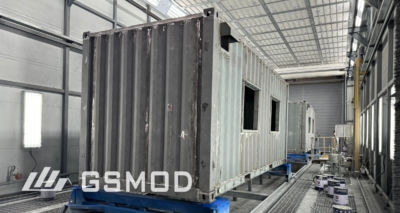
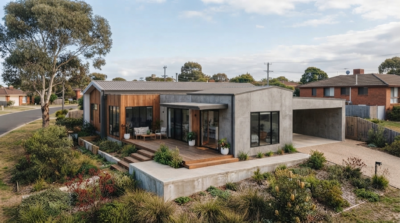
Modular buildings are structures made of individual pre-constructed sections, or “modules,” that are built in a factory and then transported to the construction site for assembly. Of course, there are also companies like GSMOD that assemble the entire module. The entire module is shipped out of the factory and is also transported as a whole module, which is fast and convenient, and greatly shortens the construction time. These buildings are designed for permanent use and are usually intended to serve as long-term residences, offices, or second houses.
What Are Prefab Buildings?
Prefab buildings are structures made from individual pre-made components (walls, floors, roofs, etc.) that are produced in a factory and then transported to the building site for assembly. This design cannot accommodate more modules, so it is usually built in a certain quantity according to a unified template for buyers to purchase, which makes personalized customization difficult..Prefabricated buildings are typically used for temporary or semi-permanent purposes, such as for campsites, bungalows, or emergency housing.
Key Differences Between Modular and Prefab Buildings
1. Purpose and Longevity:
- Modular buildings are meant to serve as permanent structures; they can last from fifty to seventy years and have the same durability as traditional buildings. They are ideal for long-term living, offices, or commercial spaces.
- Prefab buildings, on the other hand, are often used for temporary or semi-permanent purposes. They are ideal for camping sites, emergency shelters, or other short-term uses.
2. Construction Speed and Efficiency:
- Modular buildings are faster to assemble because they are largely completed in the factory and delivered to the site, ready for erection and installation, along with plumbing and electricity connections. They are ideal for residential, hotel, office, dormitory, and worker housing—anywhere speed, quality, and long-term performance are crucial.
- Prefabricated buildings take longer to assemble than modular buildings, but are still faster than traditional homes, typically taking only three to six months to complete. They strike a balance between speed and performance.
3. Cost Differences:
- Modular buildings tend to have higher upfront costs due to their customization options and long-term durability. They may also require a more complex foundation and assembly process.
- Due to the lower initial cost but more complex construction process, prefabricated buildings are often more suitable for those who are not looking for a fast project but want to be accurate on budget.
4. Customization:
- Modular buildings offer extensive design flexibility, allowing for tailored floor plans, materials, and layouts. This is ideal for individuals or businesses seeking a more personalized, long-term space.
- Prefab buildings are typically more standardized, offering fewer options for customization in terms of design and materials.
5. Durability and Strength:
- Modular buildings are built to the same codes and standards as traditional houses, offering excellent durability and long-term performance. Their solid, enclosed modules provide strong structural integrity with minimal maintenance needs.
- Prefab buildings are also durable and designed to withstand regular use. However, since they consist of multiple assembled components and joints, they typically require more detailed inspections and maintenance over time to ensure everything stays secure and weather-tight.
Modular vs. Prefab: The Key Differences
| Category | Modular Buildings | Prefab (Panelized / Flat-Pack) Buildings |
| Definition | 3D volumetric modules built in a factory and assembled on-site | Flat panels or components (walls, roofs, frames) assembled on-site |
| Factory Completion | 80–90% completed before shipment | 30–60% completed before shipment |
| Customization | floor plans, finishes, and layouts | standardized designs and sizes |
| Construction Speed | Fast — site prep and module production occur together | Fast — but more on-site assembly needed |
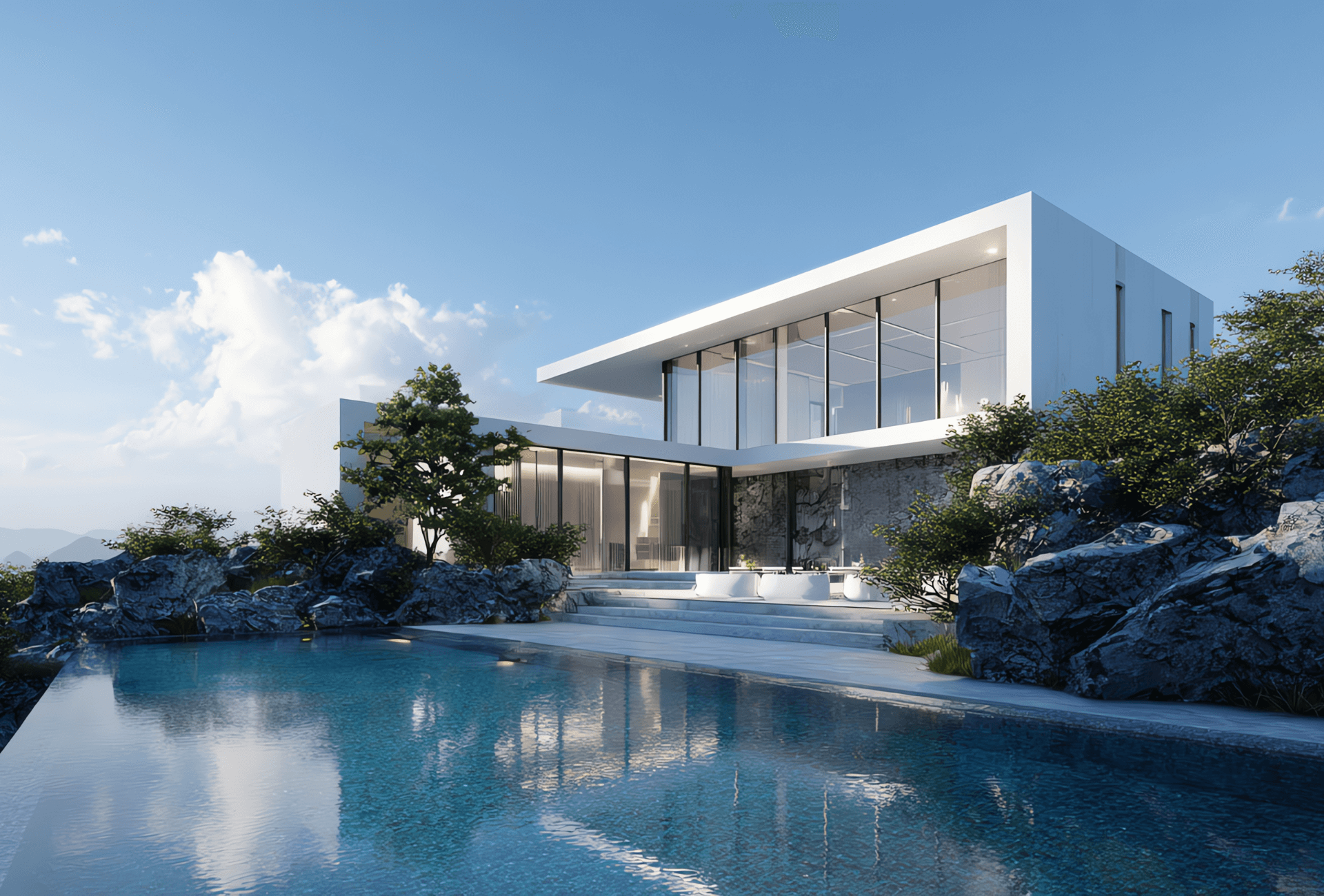
FAQs About Modular vs. Prefab Buildings
1. Can Modular and Prefabricated Buildings Be Insured?
Modular: When permanent and code-compliant, typically insured like traditional homes (hazard, liability, etc.). During transport/set, use builder’s risk + transit coverage.
Prefab: Also insurable. Policy type and rate depend on classification (permanent vs. temporary), occupancy, and location. Permanent prefab homes often fit standard homeowners’ policies; temporary or relocatable structures may need commercial or specialty coverage.
2. Do I need a building permit for a modular home?
Yes. Just like traditional buildings, modular homes require local permits and approvals before installation. The factory-built modules are pre-certified, which often simplifies the process.
3. Are modular buildings permanent?
Yes. Modular buildings meet the same standards as traditional construction and can be used for more than 50 years.
4. How Are Utilities Handled in Modular and Prefabricated Buildings?
Modular: MEP systems (plumbing, electrical, HVAC) are factory-installed/rough-in within modules. On-site, crews make main connections (water/sewer, electrical service, gas/heat pump) and test.
Prefab (panel/flat-pack): MEP is typically installed on site after the shell is assembled, though some kits pre-route chases and boxes to speed work. Either approach can integrate options like solar or battery storage if specified.
5. What kind of foundation is required for modular buildings?
Modular buildings typically sit on permanent foundations, such as concrete slabs or piers, ensuring long-term stability and compliance with structural codes.
Conclusion: Which One Is Right for You?
Choosing between modular and prefab buildings depends on your specific needs and project goals. If you’re looking for a long-term, durable solution, such as a permanent house, office, or second house, modular buildings are the better choice. They offer customization, strength, and long-term value.
However, if your project requires a temporary, cost-effective solution for short-term accommodations, such as for camping or emergency housing, prefabricated buildings might be the right option. They are faster to assemble, more affordable, and ideal for less permanent use.