

Are you wondering whether modular construction can truly live up to its promises of sustainability? With increasing concerns over climate change and resource depletion, more people are turning to modular construction as an eco-friendly solution. But, how sustainable is it really compared to traditional building methods? This article will clear up the confusion, providing a detailed look at the benefits of modular construction for sustainability. You’ll have a clearer understanding of how modular construction can reduce environmental impact, lower costs, and offer long-term sustainability benefits.
Comparison Table: Traditional vs. Modular Construction Sustainability
| Aspect | Traditional Construction | Modular Construction |
| Waste Generation | High (on-site waste) | Low (off-site prefabrication) |
| Energy Efficiency | Weak | High (better insulation and design) |
| Construction Time | 8-12 months | 3-6 months |
| Carbon Footprint | High | Lower (efficient logistics) |
What Makes Modular Construction Sustainable?
Reduced Waste and Better Resource Management
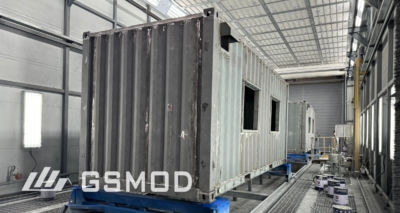
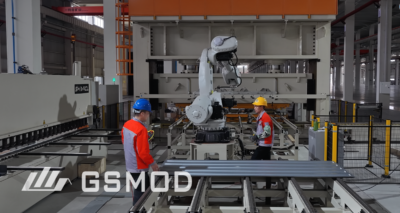
One of the most significant sustainability advantages of modular construction is its reduced waste production. Since components are prefabricated in factories, material usage is optimized, and waste is minimized compared to on-site construction. With fewer resources going to landfills, modular buildings offer a clear path toward more sustainable projects.
Energy Efficiency: Saving Resources and Money
Modular construction uses high-quality materials and incorporates advanced energy-saving designs. These buildings are better insulated, require less energy for heating and cooling, and offer superior thermal performance compared to traditional buildings. This results in lower energy consumption and reduced carbon emissions.
Checklists for Energy Efficiency in Modular Projects:
- Opt for energy-efficient windows and doors
- Use renewable energy systems like solar panels
- Insulate walls, floors, and roofs effectively
- Choose materials with a low environmental impact

Economic Benefits of Sustainable Modular Construction
Reduced Construction Time and Costs
Because modular houses are built in modular factories, they can be completed in a fraction of the time of traditional buildings. This not only reduces labor costs but also minimizes the environmental impact caused by prolonged construction periods, such as energy consumption and emissions from construction equipment.
Long-Term Cost Savings
While modular buildings may have a slightly higher upfront cost, their energy efficiency, durability, and minimal maintenance costs make them a financially viable option in the long run. Additionally, modular buildings often qualify for green building incentives and tax credits, further reducing financial burdens.
Modular Construction’s Role in a Circular Economy
Modular Construction and Sustainability Certifications
Many modular buildings qualify for green sustainability certifications like LEED or ESG, ensuring that construction processes and materials meet the highest environmental standards. These certifications can also increase property values.
Checklist for Sustainability Certifications in Modular Construction:
- Verify if your modular project qualifies for LEED, ESG, or similar certifications
- Ensure that the modular provider follows sustainable manufacturing practices
- Consider the long-term benefits of having a certified green building
Common Challenges in Modular Construction Sustainability
Overcoming Myths and Misconceptions
Some people remain hesitant about modular construction, believing it’s less durable or customizable than traditional buildings. However, with technological advancements, modular construction now offers comparable or even superior quality and customization options. For example, a school dormitory might require environmentally friendly materials. We can customize these materials to meet your needs, and we can provide local testing reports for all raw materials.
Supply Chain Sustainability
While modular construction generally uses fewer resources, the sustainability of the supply chain is still a consideration. Ensure that the manufacturer sources sustainable materials and follows ethical production practices.
Checklists for Sustainable Modular Construction Supply Chain:
- Verify if the materials used are eco-friendly and sourced responsibly
- Check if the manufacturer uses energy-efficient production methods
- Ensure that the transportation logistics minimize the carbon footprint.

FAQ Section:
- What makes modular construction more sustainable than traditional building?
Modular construction reduces waste, uses energy-efficient designs, and incorporates better resource management compared to traditional building methods. - Are modular buildings energy-efficient?
Yes, modular buildings are often better insulated and designed for energy efficiency, leading to lower long-term energy costs. - Can modular buildings be adapted for future use?
Yes, modular buildings are flexible and can be easily reconfigured or relocated, promoting reuse and sustainability. - How long does a modular construction project take?
Modular construction is typically faster than traditional building, with projects often completed in 3-6 months. - What is the lifespan of a large-scale building?
The service life of permanent modular buildings is 50-70 years, and the service life of temporary modular buildings is 10-20 years.
Conclusion
Modular construction isn’t just a faster or more affordable way to build—it’s a smarter, more sustainable approach for the future of construction. By minimizing material waste, improving energy efficiency, and supporting circular economy principles, modular buildings play a vital role in reducing the industry’s environmental footprint. While there are still challenges, such as sustainable sourcing and public perception, ongoing innovation and global green standards continue to strengthen the environmental credentials of modular construction.
Whether you’re developing residential, commercial, or institutional projects, embracing modular construction today means investing in a cleaner, more efficient, and more sustainable tomorrow.