

A hotel is a significant investment that can vary in cost depending on its location, size, design, and construction method. Traditional hotel construction tends to be more time-consuming and costly, whereas modular construction offers a faster and more efficient alternative. This article will highlight the main benefits of modular construction while comparing the costs of traditional and prefab hotel construction.
What Affects the Cost of Building a Hotel?
Hotel Type
The form of the lodge you construct performs an extensive function in determining the value. Luxury inns with high-end finishes and facilities are clearly valued more in line with rectangular feet than price range or mid-variety motels.
- Luxury Hotels: High-end facilities, custom designs, and top-class finishes have notably.
- Mid-variety Hotels: These provide cushy motels and primary facilities but come at a decreased value.
- Budget Hotels: Basic inns with feature rooms and minimum facilities cost much less to construct.
Solution: Clearly outline your lodge kind early within the planning segment to assist in deciding the proper materials, design, and capabilities that align with your price range and target market.
Location
Hotel production prices are closely stimulated via means of location. Urban regions and high-demand locations include better prices because of land acquisition, hard work, and logistics.
Solution: Consider modular construction for city areas where land and labor costs are higher, as modular homes reduce on-site work and production time, notably lowering costs.
Cost Breakdown for Hotel Construction
Traditional Hotel Construction Costs
- Mid-range Hotels: A mid-range hotel’s room rate typically ranges from $85,000 to $135,000, depending on its size and location.
- Luxury Hotels: Depending on the size and amenities, a room at a luxury hotel can cost anywhere from $500,000 to more.
- Budget Motels: Rooms at budget motels typically cost between $45,000 and $55,000.
Prefab Hotel Construction Costs
- Cost per Room: The cost per room in a prefabricated hotel is generally between $90,000 and $110,000 (for a full-service hotel), while the construction cost per room (80 square meters) in a luxury hotel is approximately $920 per square meter. Including furniture, shipping, land, etc., the total cost is approximately $150,000.
- Due to faster production, lower labor costs, and less fabric waste, prefab hotels typically have much lower values overall.
Solution: Though preliminary prices for modular homes can also appear much like conventional strategies, the general value financial savings in hard work and materials, in addition to quicker project timelines, make modular construction the more value-effective choice for builders.
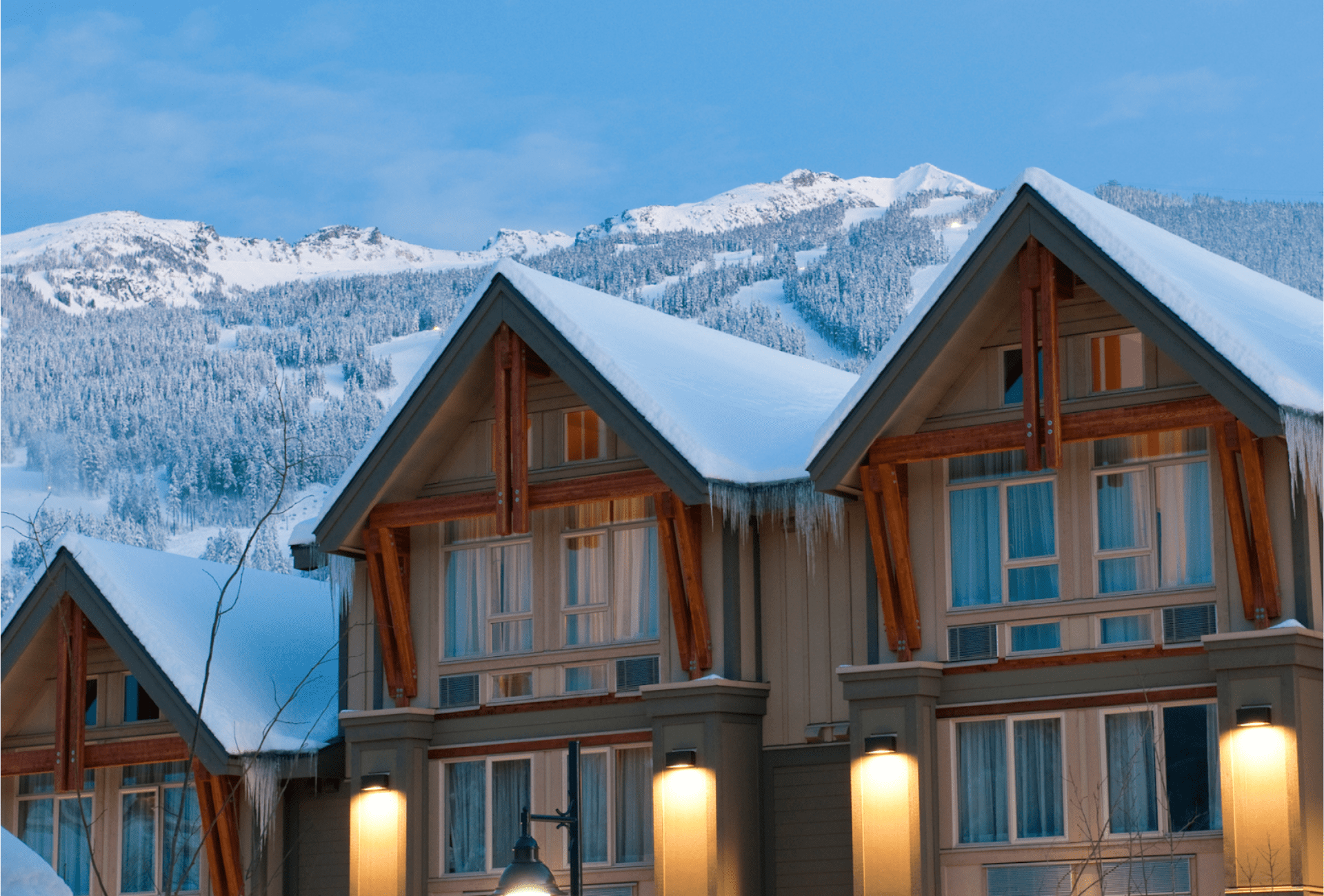
Example: Modular Hotel Project Timeline and Cost
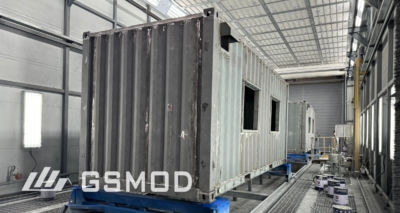
There are 200 modules in this ten-story, five-star hotel, with 20 standard rooms on each floor. These modules usually take two to three months to produce, two months to ship, and roughly a month to install. This implies that the hotel could be completely operational in six months. For short-term hotels, like those at tourist destinations or pop-up sites that require quick income, production time can be reduced to 1 month.
A five-star modular hotel room can be built using only one module. This permanent structure has an interior space of 100 square meters and includes a bathroom, a double bed, and a small seating area. Based on a cost of approximately $910 to $920 per square meter, the construction cost of each room is approximately $92,000. Including furniture and shipping costs, the total cost is approximately $220,000.
Key Advantages of Modular Construction
Faster Construction Time
Prefab hotels are commonly constructed in a fragment of the time it takes for conventional production, lowering the development timeline via means of 50% or more. This brief turnaround method resulted in advanced sales technology and decreased financing prices.
Cost Savings and Predictability
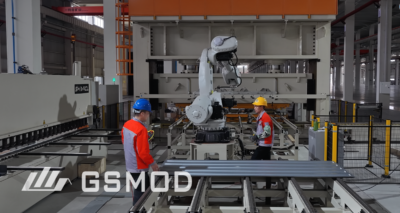
Modular buildings offer better cost predictability because large-scale standardized production allows manufacturers to minimize waste and inefficiencies while maximizing control over labor and material costs. This gives developers a comprehensive picture of the overall cost and completion time. Reduced labor needs also result in lower costs, greatly reducing the chance of budget overruns.
Reduced Operational Costs
The quicker construct instances related to Prefab hotels imply that operational prices—along with financing fees, insurance, and maintenance—are minimized. This is especially beneficial for builders running on tight budgets and timelines.
Common Problems in Hotel Construction and How Modular Solves Them
Budget Overruns and Unexpected Costs
Problem: Traditional lodge production regularly reviews sudden price, along with fabric rate hikes, hard work shortages, and delays.
Solution: Modular construction gives greater value predictability with a clean timeline and much less room for delays, lowering the risk of price range overruns.
Delays and Labor Shortages
Problem: Traditional initiatives regularly face hard work shortages or delays that lengthen production timelines, leading to multiplied prices.
Solution: Modular construction reduces hard work dependency via the means of generating additives in a factory, which reduces delays and keeps prices down.
In conclusion, how much does building a hotel actually cost?
Modular construction offers a quicker and significantly less expensive alternative to traditional methods, even though location, design, and length are just a few of the many factors that affect creation costs. For builders looking to reduce costs and boost efficiency, prefab hotel is a smart choice because it is quicker, less expensive, and has more high-satisfactory control.
Because of its top advantages—shorter assignment timelines, lower effort costs, and improved price range control—prefab inn improvement is a suitable option for those considering it. These factors result in increased profitability and faster returns on investment.
If you’re interested in learning more about prefab hotel construction and how it can benefit your next project, feel free to contact us today. Let’s explore how modular methods can streamline your hotel development and help you achieve faster, more cost-effective results.