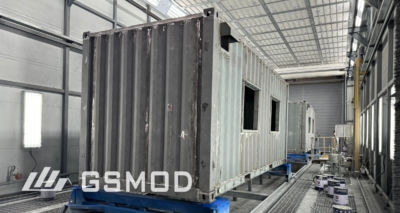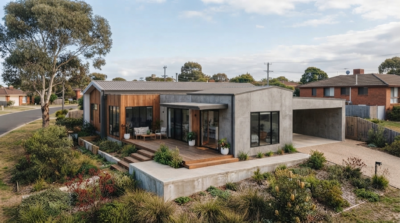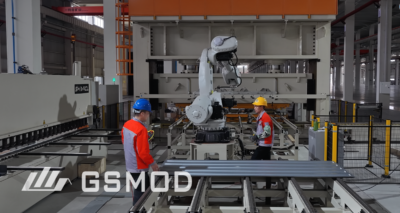


As modular construction gains widespread attention worldwide, its efficiency, speed, and consistent quality have made it an attractive solution for both private homeowners and professional developers. Prefabricated modules built in a controlled environment promise faster completion times, lower material waste, and greater cost predictability.
However, despite these clear advantages, many buyers are surprised when the final project cost exceeds initial expectations. This is because the base price of a modular house typically covers only the factory-built structure—not the full range of expenses required to make the building move-in ready. These hidden costs can quietly accumulate, affecting the total budget and schedule if not properly planned for.
This article highlights the most common hidden costs in modular house projects, explains why they occur, and provides practical strategies to manage them effectively. Understanding these details allows both individual buyers and project stakeholders to make informed, financially sound decisions.
Why Understanding Hidden Costs Matters
Many buyers focus only on the sticker price, believing modular construction guarantees cost control. While it does reduce labor waste and delays, the lack of planning around hidden costs can quickly erode those savings.
By understanding these costs early, you’ll:
- Set a realistic, all-in budget that prevents financial stress later.
- Avoid loan shortfalls or last-minute financing extensions.
- Select trustworthy builders who value transparency.
- Protect your investment with proper maintenance and insurance planning.
1. Land Preparation and Site Work
Before the modular units can be delivered, the construction site must be properly prepared. This process often includes clearing vegetation, leveling uneven terrain, removing rocks, and creating adequate drainage. Depending on soil conditions and topography, site work can range from $5,000 to $25,000 or more.
A geotechnical survey and soil test are essential to evaluate factors like soil stability, drainage, and bearing capacity. Identifying potential challenges early prevents structural problems and cost overruns later in the project. Proper site preparation also ensures a stable foundation and smoother installation when the modules arrive.
2. Permits, Local Fees, and Utility Connections
Every region has its own building codes, zoning rules, and permitting processes for modular housing. Acquiring the necessary approvals often requires multiple inspections and administrative fees, which can total several thousand dollars.
Beyond regulatory fees, utility connections are another hidden cost. Extending electrical lines, installing water or sewer systems, or adding a septic tank may involve trenching, piping, and coordination with local authorities. Utility connections can represent a significant portion of off-site costs, particularly in remote or undeveloped areas. Assessing local infrastructure in advance helps clarify scope, responsibilities, and budget allocation.
3. Transportation and Crane Setup
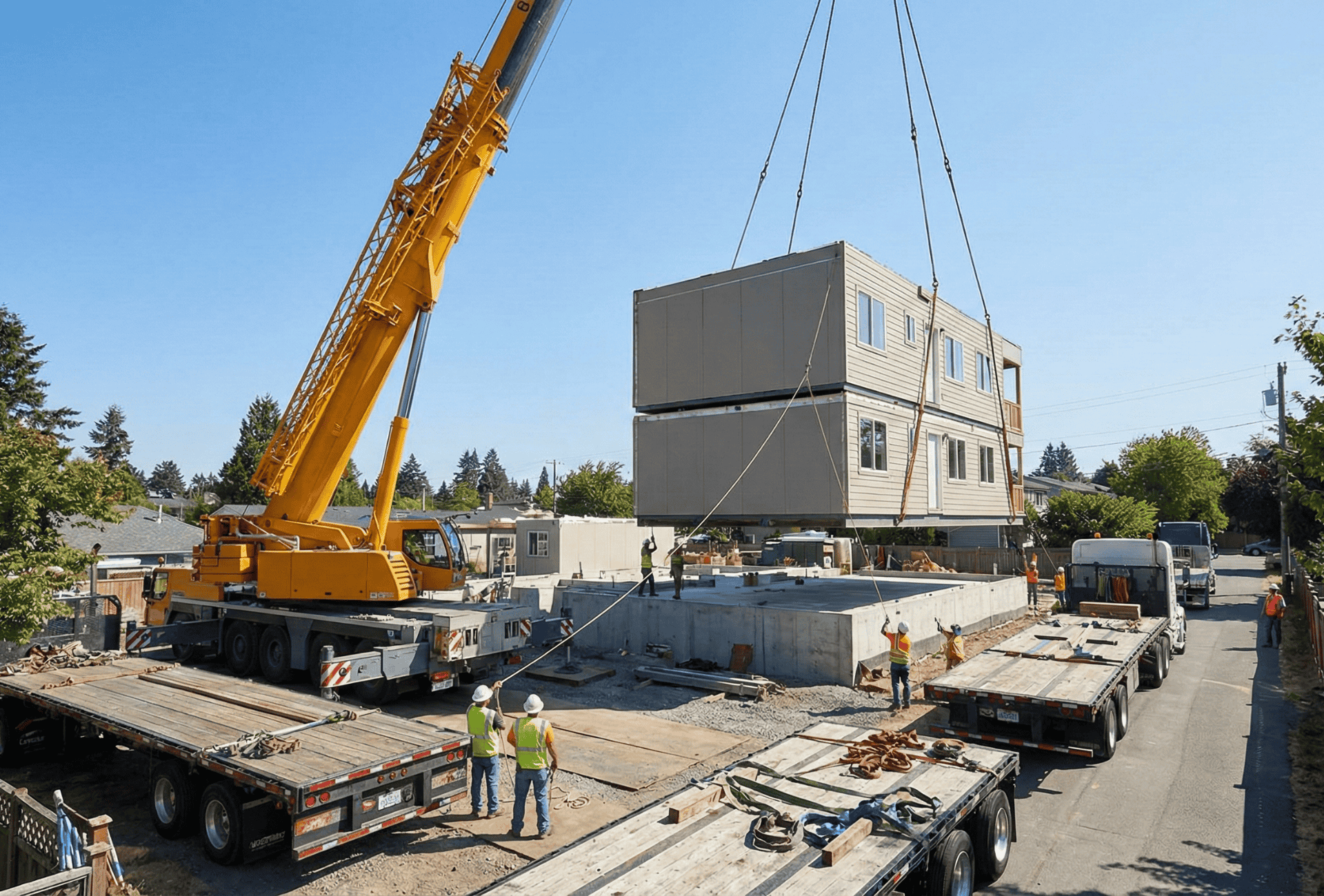
After factory completion, modular units must be transported to the project site. Transportation costs depend on distance, route complexity, escort vehicle requirements, and road conditions. Longer hauls or restricted access areas can substantially increase expenses.
Once delivered, a crane is typically required to lift and place the modules onto the foundation. Crane services generally cost $150–$400 per hour, depending on capacity and duration. Weather delays or challenging site access can further increase these costs. Builders and clients should coordinate delivery logistics early in the project to minimize disruption and ensure accurate scheduling.
4. Foundation and Finishing Work
A durable foundation is crucial for any modular structure, yet it is often excluded from the builder’s quoted price. The cost of a foundation—whether slab, crawl space, or basement—can represent 10–15% of the total construction budget.
Following installation, additional finishing work is required to join the modules, seal seams, connect utilities, and complete interior and exterior details. Elements such as stairs, porches, driveways, or landscaping are also typically separate costs. Accounting for these finishing tasks in the early planning phase prevents financial gaps later in the project.
5. Design Upgrades and Custom Features
While modular construction supports flexible design, customization can expand the budget. Enhanced materials, premium finishes, smart-house technologies, and energy-efficient systems often come at a higher cost.
To maintain financial control, request a comprehensive specifications sheet from the builder detailing which features are standard and which are upgrades. Comparing upgrade pricing with local alternatives helps determine whether certain improvements are worth including during the factory build or better added post-installation.
6. Insurance, Inspections, and Project Delays
Insurance is another factor frequently underestimated. During transportation and on-site installation, builder’s risk insurance is typically required to cover potential damage. In addition, local jurisdictions may mandate several inspections before granting final occupancy approval, each carrying its own fee.
Unforeseen delays—caused by weather, shipping logistics, or regulatory approval—can extend timelines and increase costs such as equipment rental or financing interest. Establishing a contingency reserve of 10–15% ensures that project schedules and budgets remain flexible when unexpected conditions arise.
7. Maintenance and Warranty Considerations
Modular houses are built under strict quality standards, but routine maintenance remains necessary. Over time, owners may incur costs for roof sealing, HVAC servicing, or structural re-leveling. Although smaller in scale, these recurring expenses contribute to total lifecycle costs.
Warranty terms also require careful review. Factory-built components and on-site work are often covered under separate agreements, differing in length and scope. Understanding warranty responsibilities upfront helps avoid future disputes and ensures proper long-term asset management.
Managing Hidden Costs Effectively
Managing hidden costs begins with transparency and planning.
- Request itemized quotations: Ensure every stage—site prep, transport, installation, and finishing—is clearly defined.
- Engage experienced modular professionals: Builders familiar with local codes and sites can provide more accurate estimates.
- Coordinate financing early: Work with lenders or investors who understand modular construction’s payment milestones and draw schedules.
- Track costs continuously: Implement cost-control tools or project management software to monitor progress.
- Maintain a contingency budget: Allocate 10–15% of total costs to handle unforeseen expenses without disrupting timelines.
Proactive management reduces uncertainty and keeps projects aligned with both financial and operational goals.
Conclusion
Modular construction continues to redefine how buildings are designed, produced, and delivered. Its controlled manufacturing environment, speed, and adaptability make it a powerful model for future housing and infrastructure.
Yet, even the most efficient building method requires careful financial planning. By identifying and managing hidden costs—from site preparation to finishing—stakeholders can ensure that modular projects deliver on their promise of cost efficiency, speed, and quality.
When hidden costs are addressed early, modular construction becomes not just an alternative—but a strategic advantage.