




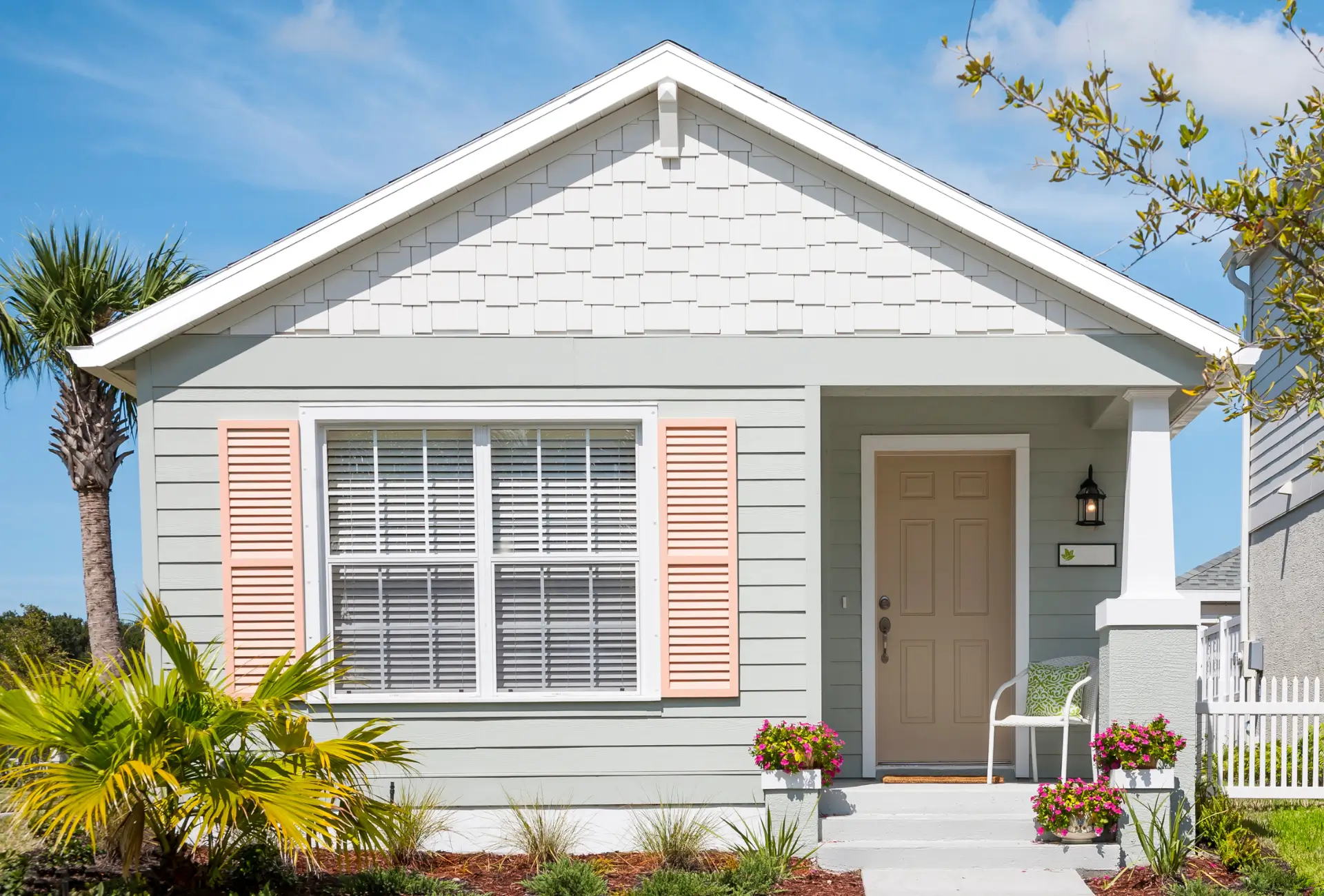
Modular construction comes in many forms, including concrete modules, wood structural systems, and hybrid steel and wood structures. In this article, we’ll focus on steel modular construction, which is constructed with a sturdy steel frame and insulated sandwich panels encased in gypsum. This combination offers durability, safety, and energy efficiency, while also enabling faster, higher-quality construction. We’ll explore the core materials behind steel modular construction, its unique advantages, and why it makes modular construction a superior and future-proof construction method.
Steel Structural Frames: The Backbone of Modular Excellence
Steel is the preferred material for the primary structural framework in modular buildings. It offers exceptional strength and stability, enabling the construction of multi-story and complex modular structures with confidence.
Factory fabrication ensures steel components are made with tight tolerances. This precision reduces on-site errors and accelerates assembly. Steel is also inherently fire-resistant, enhancing building safety. Moreover, it resists warping, pests, and environmental damage, significantly extending building lifespan. As a recyclable material, steel supports sustainable construction practices.
Insulated Sandwich Panels with Gypsum Finishes: Multi-Functional Building Envelopes

Walls and ceilings in modular construction predominantly use advanced sandwich panels. These panels integrate multiple functions into one factory-built component:
- Gypsum Boards: Both interior and exterior surfaces are finished with fire-rated gypsum boards. They provide a smooth, ready-to-paint surface and contribute to fire safety compliance.
- Insulating Core: The core contains high-performance insulation materials like mineral wool or polyurethane foam. This layer delivers superior thermal resistance and soundproofing, enhancing energy efficiency and occupant comfort.
- Waterproof Membrane: Integrated waterproof membranes block external water while preventing moisture buildup inside panels, protecting the structure and extending its lifespan.
- Surface Coatings: Panels can include decorative or protective coatings that improve durability, stain resistance, and aesthetic flexibility.
In addition, these panels integrate reinforced exterior cement boards, structural adhesives, galvanized steel keels for stability, and sintered stone interior finishes. Together with the other layers, they form a complete eight-in-one system. By integrating structure, insulation, fire protection, and finishes, they deliver durability, efficiency, and reduced on-site labor.
Additional Innovative Materials in Modular Construction
Cross-laminated timber (CLT) is gaining popularity as a strong, sustainable engineered wood product. Made by layering lumber at right angles, CLT offers dimensional stability and carbon sequestration benefits. Some modular projects also repurpose shipping containers, providing rugged steel shells for innovative modular units.
Sustainability and Environmental Impact

Modular construction excels in sustainability due to:
- Reduce Waste: Factory precision limits material waste compared to traditional onsite builds.
- Recyclable Materials: Steel and engineered wood are fully recyclable, which helps reduce the overall environmental footprint of modular construction.
- Energy Solutions: Modular buildings can support customized energy systems, such as integrating photovoltaic solar panels, to maximize the use of clean energy.
- Lower Carbon Emissions: Efficient logistics and shorter onsite work reduce greenhouse gas emissions.
FQAs
Q1: Are modular materials as durable as traditional ones?
A: Yes, they meet or exceed building codes and standards, ensuring durability and safety.
Q2: How do materials affect build time?
A: Prefabricated steel and sandwich panels are manufactured with high precision. Individual components are controlled within less than 1 mm of tolerance, while the overall structure is kept within 2–3 mm. This accuracy ensures components fit together seamlessly, allowing on-site crews to assemble modules quickly and efficiently.
Q3: Are materials adaptable to different climates?
A: Absolutely. Materials and insulation are customized to local environmental conditions and codes.
Related reading: How Much Does It Cost to Build a Hotel?
Conclusion
Steel framing combined with insulated gypsum sandwich panels forms the foundation of modern modular construction. This powerful material combination delivers exceptional strength, safety, energy efficiency, and rapid construction, making modular buildings a wise choice for today’s construction challenges.
3 thoughts on “What Materials Are Used in Modular Construction?”